Can Sleep Apnea Affect Your Heart Health Over Time?
- Advanced Medical & Diagnostic Center
- July 26, 2026
- 10 min read
Cardiopulmonary Testing
Table of Contents
- 1. What Sleep Apnea Actually Does to the Body Each Night
- 2. The Research Linking Sleep Apnea Heart Health Risks
- 3. How Sleep Apnea Damages the Cardiovascular System Over Time
- 4. Specific Heart Conditions Associated With Untreated Sleep Apnea
- 5. Why First Responders Face Elevated Sleep Apnea Risk
- 6. Recognizing the Signs That Sleep Apnea May Be Affecting Your Heart
- 7. How Cardiovascular Evaluation Fits Into Sleep Apnea Management
- 8. Frequently Asked Questions
- 9. What Ignoring Sleep Apnea Costs Your Heart Over Time
Snoring is easy to dismiss. Most people who snore assume it is harmless, mildly annoying to anyone nearby, and not worth investigating. But for a significant portion of adults who snore regularly, the underlying cause is obstructive sleep apnea, and the sleep apnea heart health connection is one of the most clinically significant relationships in preventive cardiovascular medicine.
Sleep apnea causes breathing to stop and restart repeatedly during sleep, sometimes hundreds of times per night. Each pause deprives the body of oxygen, activates the stress response, and places direct strain on the cardiovascular system. Over months and years of untreated episodes, that cumulative strain translates into measurable increases in cardiovascular risk.
For patients who want to understand what a full cardiovascular and pulmonary evaluation involves and when it is clinically recommended, the cardiovascular and pulmonary testing service page provides a detailed overview of what these screenings assess.
1. What Sleep Apnea Actually Does to the Body Each Night
Obstructive sleep apnea, the most common form, occurs when the soft tissue at the back of the throat relaxes during sleep and partially or completely blocks the airway. The resulting pause in breathing, known as an apnea event, can last anywhere from ten seconds to over a minute.
During each apnea event, oxygen levels in the blood fall. Carbon dioxide levels rise. The brain detects the disruption and sends an emergency signal that partially wakes the person and triggers a gasp or snort that reopens the airway.
This cycle repeats throughout the night, sometimes dozens or hundreds of times. The person rarely achieves the deep, restorative sleep stages that allow the cardiovascular system to recover. The result is a body that never fully rests and a heart that never fully recovers.
2. The Research Linking Sleep Apnea Heart Health Risks
Researchers now recognize sleep apnea as an independent cardiovascular risk factor. That means it raises cardiac risk on its own, regardless of other conditions a person may have. The evidence connecting sleep apnea heart health outcomes is consistent across multiple decades of clinical research.
According to the American Heart Association, obstructive sleep apnea has been linked to higher rates of high blood pressure, stroke, and coronary artery disease. There is also evidence that sleep apnea can cause left ventricular diastolic dysfunction, which increases the risk of heart failure.
Key findings from the research literature include:
- Approximately 936 million adults aged 30 to 69 worldwide are estimated to have obstructive sleep apnea, with the condition found in 40 to 80 percent of patients already diagnosed with hypertension, heart failure, coronary artery disease, or atrial fibrillation
- Men are significantly more likely to develop obstructive sleep apnea than women, with the risk increasing further after age 40
- Untreated sleep apnea is associated with nearly twice the risk of cardiovascular disease, stroke, and death from heart disease compared to those without the condition
- The severity of sleep apnea correlates directly with cardiovascular risk — the more frequent and prolonged the apnea events, the greater the cardiac burden
The research does not simply establish an association. It establishes a direct biological link in which the physical changes caused by sleep apnea directly produce the conditions that drive cardiovascular disease over time.
3. How Sleep Apnea Damages the Cardiovascular System Over Time
Understanding the sleep apnea heart health connection requires looking at the specific pathways through which repeated oxygen deprivation affects the cardiovascular system. Sleep apnea does not damage the heart through a single dramatic event. It works gradually through several simultaneous pathways.
Intermittent Hypoxia and Oxidative Stress
Each apnea event causes a rapid drop in blood oxygen levels, a condition called intermittent hypoxia. The repeated cycling between low and normal oxygen levels generates oxidative stress throughout the vascular system.
Oxidative stress damages the inner lining of blood vessels, known as the endothelium. Over time, this promotes the inflammation that drives atherosclerosis. The damage starts from the first episode and builds with each subsequent night.
Sympathetic Nervous System Activation
Every time breathing stops and the brain detects falling oxygen levels, it triggers the fight-or-flight response. This causes heart rate to spike, blood pressure to surge, and stress hormones including adrenaline to flood the system. This puts constant strain on the heart.
In a person with untreated sleep apnea, this emergency response fires repeatedly throughout every night. Chronic activation keeps heart rate and blood pressure elevated even during waking hours. The cardiovascular burden accumulates around the clock, not just during sleep.
Systemic Inflammation
Repeated drops in oxygen promote chronic low-grade inflammation throughout the body. This is one of the primary pathways through which cardiovascular disease develops. Inflammatory markers including C-reactive protein are consistently elevated in people with untreated sleep apnea.
Negative Intrathoracic Pressure
During an obstructive apnea event, the respiratory muscles keep trying to breathe against a blocked airway. This creates strongly negative pressure inside the chest that mechanically strains the heart walls. Treating sleep apnea often helps control this pressure.
Repeated mechanical stress contributes to changes in cardiac structure over time. Left ventricular wall thickening and diastolic dysfunction are among the structural changes most consistently documented in people with severe untreated sleep apnea.
4. Specific Heart Conditions Associated With Untreated Sleep Apnea
The cardiovascular consequences of chronic untreated sleep apnea are not abstract. They manifest as specific, diagnosable conditions that carry their own independent risks and require active clinical management.
Hypertension
High blood pressure is the most consistently documented cardiovascular consequence of sleep apnea. According to the Mayo Clinic, sudden drops in blood oxygen levels during obstructive sleep apnea increase blood pressure and strain the cardiovascular system, and many people with obstructive sleep apnea develop high blood pressure as a result.
Resistant hypertension, meaning high blood pressure that does not respond adequately to three or more medications, is particularly associated with untreated sleep apnea. Evaluating for and treating sleep apnea is now a standard part of the workup for patients with resistant hypertension.
Atrial Fibrillation
Atrial fibrillation is the most common cardiac arrhythmia, and obstructive sleep apnea strongly drives its development. The combination of intermittent hypoxia, sympathetic activation, and negative intrathoracic pressure creates electrical instability in the atria.
People with untreated sleep apnea have significantly higher rates of atrial fibrillation than those without the condition. Sleep apnea treatment reduces the recurrence rate of atrial fibrillation after cardioversion, reinforcing the direct connection between the two conditions.
Coronary Artery Disease and Heart Attack
The atherosclerotic process driven by oxidative stress, endothelial dysfunction, and systemic inflammation directly contributes to coronary artery disease. People with moderate to severe sleep apnea have higher rates of coronary artery disease, myocardial infarction, and worse outcomes following cardiac events compared to those without sleep apnea.
Heart Failure
More than 50 percent of patients with heart failure also have sleep apnea. Sleep apnea independently predicts worse clinical outcomes in this population. The cardiac structural changes produced by chronic pressure overload are more prevalent and more severe in people with untreated sleep apnea.
Stroke
Sleep apnea independently raises the risk of both ischemic and hemorrhagic stroke. The combination of hypertension, atrial fibrillation, and vascular inflammation significantly elevates this risk further. Many patients who present with stroke are subsequently found to have undiagnosed obstructive sleep apnea.
5. Why First Responders Face Elevated Sleep Apnea Risk
First responders represent a population in which sleep apnea is both more prevalent and more consequential than in the general public. Several occupational factors converge to create elevated risk.
Shift work and irregular sleep schedules disrupt the normal sleep architecture that supports restorative rest. Chronic sleep deprivation weakens the neuromuscular tone of the upper airway, which increases the likelihood and severity of obstructive events during whatever sleep opportunity is available.
Occupational stress keeps baseline sympathetic tone elevated. When this combines with the sympathetic surges produced by sleep apnea events, the cardiovascular burden compounds significantly. The heart faces strain from two directions simultaneously.
Physical fitness and a demanding job can mask sleep apnea symptoms for years. A firefighter or police officer who is functionally capable at work may attribute chronic fatigue and reduced recovery to the job itself rather than to a diagnosable sleep disorder.
This delay allows the sleep apnea heart health consequences to accumulate without intervention. For first responders referred for cardiac evaluation, the guide on what to avoid before a cardiac stress test covers preparation in detail.
6. Recognizing the Signs That Sleep Apnea May Be Affecting Your Heart
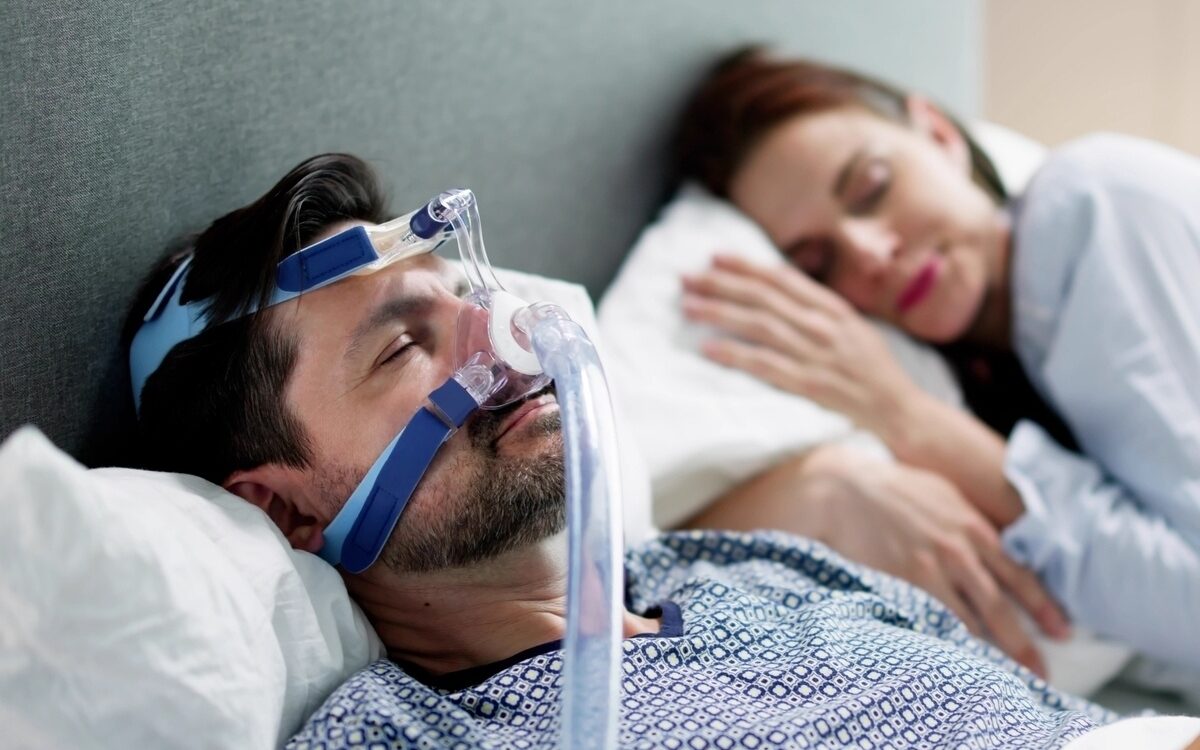
Most people with sleep apnea are undiagnosed. The condition is often first recognized by a bed partner who notices snoring, gasping, or periods of silence during sleep. Several signs also warrant evaluation even when the person sleeps alone.
Signs that sleep apnea may be present and affecting cardiovascular health include:
- Loud, persistent snoring that others have commented on
- Waking with a gasping or choking sensation during the night
- Excessive daytime sleepiness that persists despite adequate time in bed
- Morning headaches that resolve within an hour of waking
- Difficulty concentrating or staying mentally sharp during the day
- Waking frequently during the night to urinate
- High blood pressure that has been difficult to control with medication
- A collar size above 17 inches in men, which is an independent risk factor for airway obstruction
- Observed breathing pauses reported by a sleep partner
The presence of several of these signs, particularly in combination with poorly controlled blood pressure or a personal or family history of cardiovascular disease, warrants prompt clinical evaluation rather than watchful waiting.
7. How Cardiovascular Evaluation Fits Into Sleep Apnea Management
A diagnosis of sleep apnea does not exist in isolation. For patients with confirmed or suspected obstructive sleep apnea who also have cardiovascular risk factors, a comprehensive cardiac and pulmonary evaluation provides the clinical context needed to manage both conditions effectively.
According to the Cleveland Clinic Journal of Medicine, sleep-disordered breathing has strong associations with heart failure, atrial fibrillation, stroke, coronary artery disease, and death from heart disease. Treatment of sleep apnea improves blood pressure, quality of life, and daytime functioning in patients at cardiovascular risk.
A cardiovascular evaluation for a patient with sleep apnea typically includes:
- Resting EKG to assess heart rhythm and detect any structural electrical abnormalities
- Blood pressure measurement including assessment for resistant hypertension patterns
- Lipid panel and fasting glucose to capture metabolic risk markers
- Echocardiography where indicated to assess ventricular function and structure
- Cardiopulmonary exercise testing where exercise tolerance has declined
Patients in the Hackensack area who want to understand what a comprehensive cardiac and pulmonary evaluation involves can find details through the cardiovascular and pulmonary testing clinic in Hackensack.
8. Frequently Asked Questions
Not everyone with sleep apnea develops clinically significant heart disease, but untreated sleep apnea substantially raises the risk. The degree of cardiovascular impact depends on the severity of the condition and how long it has been present without treatment.
The presence of other risk factors such as hypertension, obesity, smoking, and family history of heart disease amplifies the burden considerably. Mild sleep apnea without other risk factors carries less cardiac risk than severe untreated sleep apnea in someone with multiple additional vulnerabilities.
Treatment with continuous positive airway pressure therapy, known as CPAP, has been shown to reduce blood pressure, improve left ventricular function, lower atrial fibrillation recurrence rates, and reduce inflammatory markers. Some of the sleep apnea heart health damage is reversible with effective treatment, particularly when treatment begins before structural cardiac changes have become severe.
Advanced cardiac changes such as significant left ventricular hypertrophy or established coronary artery disease do not fully reverse with sleep apnea treatment alone. These require their own clinical management alongside sleep apnea care.
Sleep apnea is diagnosed through a sleep study, either conducted in a sleep laboratory or through a home sleep testing device. The study measures breathing patterns, oxygen saturation, heart rate, and the frequency of apnea events throughout the night.
The severity is classified using the apnea-hypopnea index, which counts the average number of breathing disruptions per hour of sleep. This classification guides treatment decisions and follow-up monitoring.
Not all snoring indicates sleep apnea, but snoring is the most common symptom of obstructive sleep apnea and should not be automatically dismissed. Simple snoring without apnea events does not carry the same cardiovascular risk as obstructive sleep apnea.
Distinguishing between the two requires clinical evaluation. If snoring is accompanied by witnessed breathing pauses, excessive daytime sleepiness, or poorly controlled blood pressure, a sleep study is warranted.
The evidence consistently shows that sleep apnea raises rates of myocardial infarction and worsens outcomes following cardiac events. The mechanisms include accelerated atherosclerosis, elevated blood pressure that strains coronary vessels, and nocturnal oxygen drops that can trigger ischemia in already narrowed coronary arteries.
Whether sleep apnea directly causes heart attacks in otherwise healthy individuals with no other risk factors is less established, but it significantly amplifies risk in people who already have cardiovascular vulnerability.
First responders with diagnosed or suspected sleep apnea have clinical reason to pursue cardiovascular evaluation, particularly if they also have hypertension, elevated cholesterol, or a family history of heart disease. The combination of occupational stress, shift work, and the physical burden of sleep apnea creates a risk profile that warrants proactive monitoring.
A wait-and-see approach is not appropriate when multiple cardiovascular risk factors are present alongside signs of sleep-disordered breathing. Cardiovascular evaluation provides the objective data needed to understand the current state of cardiac health and what steps are appropriate.
9. What Ignoring Sleep Apnea Costs Your Heart Over Time
Sleep apnea is one of the most underdiagnosed conditions in adult medicine. An estimated 30 million adults in the United States have obstructive sleep apnea, but only around 6 million have a formal diagnosis. Millions of people accumulate cardiovascular damage from a condition they do not know they have.
The sleep apnea heart health relationship is not a future risk to consider abstractly. It is an active process occurring every night in anyone whose airway repeatedly obstructs during sleep. Hypertension develops, atrial fibrillation risk rises, and coronary arteries accumulate inflammatory plaque with each unaddressed episode.
None of this is inevitable. Diagnosis, treatment, and cardiovascular monitoring change the trajectory. Recognizing that snoring and daytime fatigue are potential clinical signals not just inconveniences is the step that makes everything else possible.
Key Takeaways
- Sleep apnea causes repeated oxygen deprivation during sleep that places direct, cumulative strain on the cardiovascular system through intermittent hypoxia, sympathetic activation, systemic inflammation, and mechanical cardiac stress
- Obstructive sleep apnea is an independent cardiovascular risk factor associated with hypertension, atrial fibrillation, coronary artery disease, heart failure, and stroke
- Approximately 30 million adults in the United States have sleep apnea but only around 6 million are diagnosed, meaning most cardiovascular damage accumulates without clinical intervention
- First responders face elevated sleep apnea risk due to shift work, irregular sleep schedules, and chronic occupational stress that compound the physiological burden of the condition
- CPAP treatment reduces blood pressure, improves ventricular function, and lowers atrial fibrillation recurrence, with the greatest benefit when treatment begins before structural cardiac changes have advanced
- Signs including persistent snoring, witnessed breathing pauses, excessive daytime sleepiness, and resistant hypertension together warrant prompt clinical evaluation rather than watchful waiting
- A comprehensive cardiovascular evaluation alongside sleep apnea diagnosis and management provides the most complete picture of the sleep apnea heart health impact on the body
Sleep Apnea Is Not Just a Sleep Problem.
The cardiovascular consequences of untreated obstructive sleep apnea accumulate silently over years. If you have been experiencing symptoms of sleep apnea alongside changes in your blood pressure, energy levels, or exercise tolerance, a comprehensive cardiac and pulmonary evaluation provides the clinical data needed to understand what is happening and what steps are appropriate.
References
- American Heart Association. Sleep Apnea and Heart Health. https://www.heart.org/en/health-topics/sleep-disorders/sleep-apnea-and-heart-disease-stroke.
- Mayo Clinic. Obstructive Sleep Apnea — Symptoms and Causes. https://www.mayoclinic.org/diseases-conditions/obstructive-sleep-apnea/symptoms-causes/syc-20352090. Updated December 2025.
- Cleveland Clinic Journal of Medicine. Sleep Apnea and the Heart. https://www.ccjm.org/content/86/9_suppl_1/10. Published September 2019.