Advanced Medical & Diagnostic Center

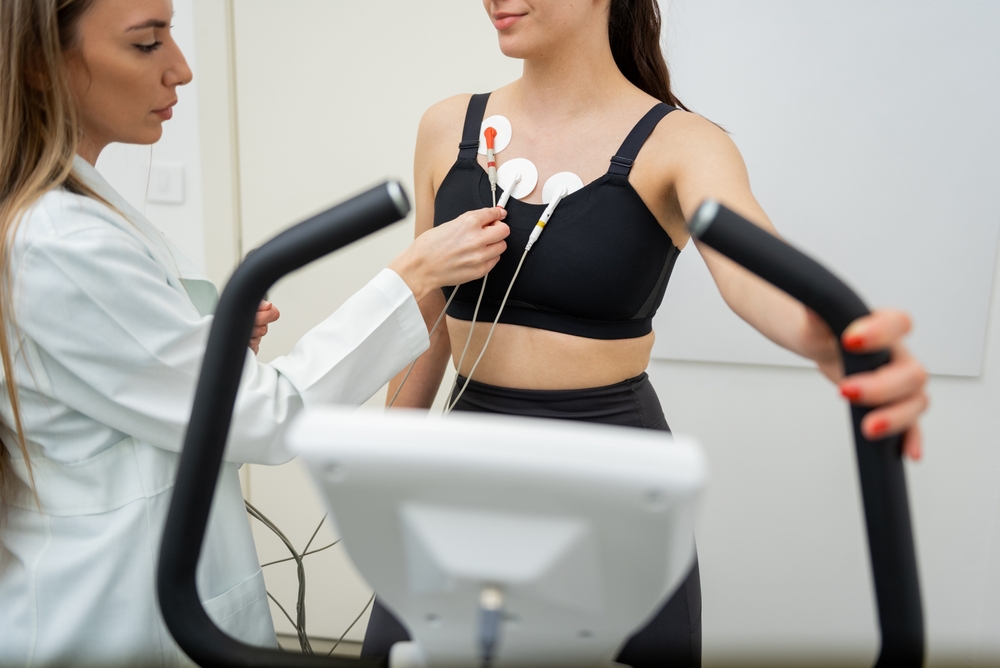
cardiopulmonary testing in Hackensack NJ showing heart and lung monitoring during supervised exercise evaluation

Understanding Cardiovascular and Pulmonary Testing in Hackensack, NJ and When You May Need It

Understanding Cardiovascular and Pulmonary Testing in Hackensack, NJ and When You May Need It Cardiovascular and respiratory health are closely connected, and even subtle changes in either system can affect daily energy, physical endurance, and long-term wellness. For patients seeking clear answers about symptoms such as shortness of breath, fatigue, or reduced exercise tolerance, cardiopulmonary testing in Hackensack NJ provides valuable insight into how the heart and lungs function together. These diagnostic evaluations help identify concerns early and support informed, preventive care decisions. At Advanced Medical & Diagnostics Center, we offer comprehensive diagnostic services designed to evaluate heart and lung performance using evidence-based testing methods. Our team focuses on patient comfort, clinical accuracy, and clear communication so individuals throughout Hackensack and surrounding communities can better understand their cardiopulmonary health and next steps.  What Cardiopulmonary Testing Measures Cardiopulmonary testing evaluates how efficiently the heart, lungs, and circulatory system work together to deliver oxygen throughout the body. Because these systems are interdependent, testing them together often provides more meaningful clinical information than evaluating each organ separately. Cardiopulmonary testing in Hackensack NJ is commonly used for diagnostic clarification, preventive screening, and ongoing monitoring for patients with symptoms or known risk factors. How the Heart and Lungs Work Together The lungs are responsible for oxygen exchange, while the heart circulates oxygen-rich blood to muscles and organs. When either system is under stress, the other must compensate. Cardiopulmonary testing evaluates this interaction under both resting and exertional conditions. This combined approach helps identify whether symptoms originate from cardiovascular strain, respiratory limitation, or a combination of both. Why Combined Evaluation Is Important Some patients experience symptoms only during physical activity, while routine exams appear normal. Cardiopulmonary testing in Hackensack NJ helps uncover exercise-related limitations that may not be evident during rest-based evaluations.  Common Types Of Cardiopulmonary Testing Several diagnostic tools may be used depending on symptoms, medical history, and clinical goals. Each test provides specific data that contributes to a comprehensive assessment. Cardiac Stress Testing Cardiac stress testing evaluates how the heart responds to increasing physical demand. Heart rhythm, blood pressure, and oxygen use are monitored as activity levels rise in a controlled environment. This test is frequently included in cardiopulmonary testing in Hackensack NJ for individuals with chest discomfort, reduced stamina, or cardiovascular risk factors. Pulmonary Function Testing Pulmonary function tests measure lung capacity, airflow, and breathing efficiency. These tests are commonly used to evaluate respiratory symptoms such as chronic cough, wheezing, or unexplained shortness of breath. Pulmonary testing plays a key role when breathing limitations affect daily activities or exercise tolerance. Cardiopulmonary Exercise Testing Cardiopulmonary exercise testing combines heart monitoring, respiratory measurements, and oxygen consumption analysis during controlled exercise. It provides detailed insight into how efficiently the heart and lungs work together under stress. Cardiopulmonary testing in Hackensack NJ using this method is especially helpful for patients with complex or unexplained symptoms. When Cardiopulmonary Testing Is Recommended Not every patient needs cardiopulmonary testing, but certain symptoms and risk factors make evaluation especially valuable. Early testing can help prevent complications and guide timely care. Symptoms That May Indicate A Need For Testing Healthcare providers may recommend cardiopulmonary testing in Hackensack NJ when patients report ongoing or unexplained symptoms such as: Shortness of breath during routine activity Chest pressure or discomfort with exertion Lightheadedness or dizziness Persistent fatigue without a clear cause These symptoms do not always signal serious disease, but testing helps clarify their origin. Risk Factors That Increase The Importance Of Evaluation Patients with a history of heart disease, lung disease, smoking, high blood pressure, or diabetes may benefit from cardiopulmonary testing. Family history and age can also influence testing recommendations. How Cardiopulmonary Testing Supports Preventive Care Preventive healthcare focuses on identifying potential problems before they become advanced or harder to manage. Cardiopulmonary testing in Hackensack NJ supports this approach by providing objective, measurable data. Identifying Early Functional Changes Testing can reveal subtle declines in cardiovascular or respiratory performance before symptoms significantly impact daily life. Early detection allows providers to recommend lifestyle adjustments or further evaluation as needed. Guiding Safe Physical Activity For patients beginning or modifying an exercise routine, cardiopulmonary testing helps define safe activity levels. Understanding physical capacity reduces the risk of overexertion and supports long-term fitness goals.  What To Expect During A Cardiopulmonary Testing Appointment Knowing what happens during testing can help patients feel more comfortable and prepared. Most cardiopulmonary tests are non-invasive and conducted under close supervision. Preparing For Your Appointment Patients may be asked to avoid heavy meals, caffeine, or strenuous activity before testing. Comfortable clothing and appropriate footwear are usually recommended for exercise-based evaluations. Your provider will review medical history and explain the testing process in detail before beginning. During The Testing Process Monitoring equipment tracks heart rhythm, breathing patterns, and oxygen levels throughout the evaluation. Intensity increases gradually and is adjusted based on patient tolerance and safety. Cardiopulmonary testing in Hackensack NJ is performed with continuous monitoring to ensure patient well-being at all times. Understanding Your Cardiopulmonary Test Results After completing testing, patients often want to know what the results mean and how they apply to daily health. Cardiopulmonary testing in Hackensack NJ provides detailed data that helps clinicians evaluate cardiovascular efficiency, lung capacity, and oxygen utilization. Results are reviewed in context with symptoms, medical history, and overall health goals. This ensures findings are interpreted accurately and meaningfully. What Normal Results Typically Indicate Normal test results suggest that the heart and lungs are functioning efficiently during rest and exertion. For many patients, this outcome provides reassurance and helps rule out serious cardiopulmonary conditions as the cause of symptoms. In these cases, providers may explore other contributing factors such as conditioning level, lifestyle habits, or non-cardiopulmonary causes. What Abnormal Results May Reveal Abnormal findings may indicate reduced cardiac output, impaired lung function, or limited oxygen delivery during activity. Cardiopulmonary testing in Hackensack NJ helps identify whether limitations stem from cardiovascular strain, respiratory restriction, or both. These insights guide further evaluation, monitoring, or referral when necessary.  How Cardiopulmonary

cardiopulmonary testing in Hackensack NJ at Advanced Medical & Diagnostic Center

Why Cardiopulmonary Testing in Hackensack, NJ Can Save Your Life – Surprising Insights

Why Cardiopulmonary Testing in Hackensack, NJ Can Save Your Life – Surprising Insights Cardiopulmonary testing in Hackensack NJ is a powerful way to understand how your heart and lungs work together every day. At Advanced Medical & Diagnostic Center, we’ve seen how this test can uncover silent health issues early and help people make the changes that keep them healthy for the long run. This test is especially important for first responders, police officers, firefighters, EMS workers, and municipal employees who face physical and emotional stress every day. Understanding your body’s limits and strengths can help prevent sudden health problems and improve your quality of life. How Your Heart and Lungs Work Together Your heart and lungs are constantly in sync. They deliver oxygen to your body, remove carbon dioxide, and fuel every breath and heartbeat. Cardiopulmonary testing shows how well these two systems perform during rest and under pressure. Why This Matters Many heart and lung conditions develop slowly without clear symptoms. That’s why proactive testing is essential. The American Lung Association notes that chronic lung disease affects millions of Americans, yet many are unaware until symptoms worsen. Catching these changes early can save lives. What Happens During the Test If you’ve never done this type of evaluation before, don’t worry. Cardiopulmonary testing in Hackensack NJ is simple, noninvasive, and performed under professional supervision. Step-by-Step Before the test: You’ll be asked to avoid caffeine, smoking, or heavy meals. At the start: A technician checks your heart rate, blood pressure, and oxygen level. During the test: You’ll walk on a treadmill or pedal a bike while breathing through a mouthpiece that measures oxygen and carbon dioxide. Afterward: You’ll rest while your heart and lungs recover, and the staff monitors how quickly your body returns to normal. The test provides clear insights into how efficiently your body uses oxygen and how strong your heart and lungs are under stress. Why This Test Can Be Life-Saving For many people, cardiopulmonary testing reveals conditions that would have gone unnoticed for years. The Value of Early Detection According to the Centers for Disease Control and Prevention, heart disease is the leading cause of death in the United States. By identifying small problems before they become emergencies, this test helps you take control of your health and prevent life-threatening events like heart attacks or lung failure. Personalized Care You Can Trust Every patient is different. At Advanced Medical & Diagnostic Center, we personalize your care plan based on your test results, your job, and your lifestyle. Whether you’re a firefighter exposed to smoke or an officer managing daily stress, our team helps you stay ahead of potential risks. Why First Responders Should Prioritize Cardiopulmonary Testing First responders have some of the most physically demanding and stressful jobs. They deal with high-pressure environments, unpredictable schedules, and exposure to hazardous materials. Over time, this can take a serious toll on heart and lung function. The Risks You Might Not See Firefighters breathe in smoke and toxins that can weaken their lungs. Police officers often work under constant stress that raises blood pressure and heart strain. EMS workers face long shifts, sleep loss, and intense calls that affect their overall health. The U.S. Fire Administration confirms that cardiovascular issues remain one of the top causes of on-duty firefighter deaths. Regular cardiopulmonary testing gives these professionals a way to monitor their health and take preventive steps before something serious happens. When to Get Checked You don’t have to wait for symptoms to appear before getting tested. Cardiopulmonary testing in Hackensack NJ is useful for anyone who wants a clearer picture of their heart and lung health. Signs That Shouldn’t Be Ignored Shortness of breath during normal activity Constant fatigue or lack of energy Chest pain, tightness, or discomfort Wheezing or persistent cough Even mild symptoms can be your body’s way of signaling that something isn’t right. Getting tested early helps you stay proactive instead of reactive. What This Test Can Reveal Cardiopulmonary testing identifies several key conditions that often develop quietly over time. COPD and Breathing Disorders Chronic obstructive pulmonary disease (COPD) limits airflow and makes breathing harder. More than 316,000 deaths among employed Americans in 2020 were linked to COPD (CDC, 2022). Testing allows doctors to identify COPD early and start treatment right away. Asthma and Lung Sensitivity The test shows how your lungs respond to stress or medication, helping your provider manage asthma more effectively. Heart Conditions If your oxygen levels drop or your heart rate recovers slowly, it may be an early sign of heart disease or reduced cardiovascular function. Pulmonary Hypertension Testing can uncover increased blood pressure in the lungs, which can cause fatigue, chest discomfort, or shortness of breath. Turning Results Into Real Health Progress The results of your cardiopulmonary test are more than just numbers. They’re a map of how your body functions and how you can improve it. How Results Guide Your Care Your provider may recommend exercise programs, nutrition changes, or adjustments to your medication. If you are receiving treatments like Testosterone Replacement Therapy, this test helps determine whether your therapy is improving cardiovascular performance and endurance. Tracking Your Progress Over Time Follow-up testing can show how your health improves as you make changes. It’s a motivating way to see your progress and stay accountable to your long-term health goals. Getting Ready for Your Appointment A little preparation goes a long way toward getting the most accurate results. Skip caffeine, alcohol, and smoking for 24 hours before the test. Eat light meals and drink plenty of water. Wear comfortable clothes and shoes. Bring a list of medications and discuss them with your provider. Arrive early so you can relax before testing begins. Our team at Advanced Medical & Diagnostic Center will make sure you’re comfortable and informed at every step. Why Patients Choose Advanced Medical & Diagnostic Center We believe in treating people, not just conditions. That’s why our cardiopulmonary testing is designed to be supportive, educational, and easy to

cardiopulmonary testing in Hackensack NJ at Advanced Medical & Diagnostic Center

The Definitive Guide to Cardiopulmonary Testing in Hackensack, NJ: What Patients Must Know

The Definitive Guide to Cardiopulmonary Testing in Hackensack, NJ: What Patients Must Know Cardiopulmonary testing in Hackensack NJ is a vital way to understand how your heart and lungs are working together. At Advanced Medical & Diagnostic Center in Hackensack and Wayne, we focus on helping first responders, municipal workers, union members, and their families take charge of their health through early detection and personalized care. This guide will explain what cardiopulmonary testing is, why it matters, and what to expect during the process. What Is Cardiopulmonary Testing? Cardiopulmonary testing is a noninvasive evaluation that measures how well your body delivers and uses oxygen. It looks at the relationship between your heart, lungs, and muscles both at rest and during activity. Why It Matters It detects early signs of conditions like asthma, COPD, and cardiovascular disease. It shows how well your body handles exercise and oxygen delivery. It helps doctors design treatment plans based on your unique results. According to the American Lung Association, chronic lung disease affects millions of people in the United States, often without early warning signs. Testing provides a way to catch these issues before they worsen. Why Cardiopulmonary Testing Is Essential for First Responders Police officers, firefighters, and EMS professionals face demanding work environments. Stress, smoke exposure, physical strain, and long hours all take a toll on cardiopulmonary health. Job-Related Risks Firefighters may develop lung problems from repeated smoke and chemical exposure. Police officers experience high stress that can increase cardiovascular risk. EMS workers often deal with fatigue and irregular schedules that impact health. Cardiovascular problems remain one of the leading causes of on-duty deaths in firefighters. The U.S. Fire Administration highlights cardiovascular wellness as a top priority for prevention. How Cardiopulmonary Testing Works Preparing for the Test Patients are asked to avoid caffeine, smoking, and strenuous activity beforehand. Comfortable clothing makes it easier to perform exercise stages. Resting Measurements At the start, your care team records baseline numbers like heart rate, blood pressure, and oxygen levels. Exercise Stage You walk on a treadmill or use a stationary bike while wearing a mask or mouthpiece that measures oxygen intake and carbon dioxide output. The test also records heart and breathing rates in real time. Recovery After exercise, you are monitored while your body returns to normal. How quickly your system recovers offers important insight into your overall health. Benefits of Cardiopulmonary Testing in Hackensack NJ People With Symptoms Shortness of breath Chest discomfort with activity Unexplained fatigue Reduced exercise tolerance High-Risk Groups First responders and municipal workers Individuals with family history of lung or heart disease Patients living with chronic conditions like diabetes, high blood pressure, or COPD What to Expect at Your Appointment When you schedule cardiopulmonary testing at our Hackensack office, you can expect thorough care and a supportive environment. Our team explains each step, answers questions, and ensures your comfort throughout the process. We also provide the same testing at our Wayne office, giving patients across northern New Jersey flexible options for care. Conditions Identified by Cardiopulmonary Testing COPD Chronic obstructive pulmonary disease is a major cause of illness in the U.S. It can often be linked to smoking or occupational exposure. In 2020, nearly 10 percent of deaths in certain worker groups involved COPD as a contributing factor (CDC, 2022). Asthma Testing helps assess airway responsiveness and provides data for treatment adjustments. Heart Failure Cardiopulmonary testing can reveal reduced oxygen efficiency, a common sign of heart failure or poor cardiac function. Pulmonary Hypertension Abnormal results can point to increased blood pressure in the lungs, a condition that benefits from early treatment. Cardiopulmonary Testing as Preventive Care Preventive healthcare is central to our mission at Advanced Medical & Diagnostic Center. Cardiopulmonary testing gives you a clear picture of your health and helps you take action before small issues become serious conditions. For first responders, early detection may be life-saving, allowing them to stay fit and ready for the demands of their careers. Why Choose Advanced Medical & Diagnostic Center Not all testing centers are the same. At Advanced Medical & Diagnostic Center, our approach to cardiopulmonary testing in Hackensack NJ is built on personalized care and a deep understanding of our patients’ needs, especially first responders and their families. We know that firefighters, police officers, and EMS workers face health risks that require extra attention. Specifically, the following: Expertise in serving first responders and families Two convenient locations in Hackensack and Wayne Comprehensive services that include Cardiovascular and Pulmonary Testing and wellness therapies Personalized care focused on long-term prevention and health management You can also find us on Google Business to check reviews, hours, and directions. How to Prepare for Cardiopulmonary Testing in Hackensack NJ Preparing for your test is simple, but following instructions helps ensure the most accurate results. Patients are advised to avoid heavy meals, caffeine, alcohol, and smoking before their appointment. Wearing loose, comfortable clothing and sneakers is also recommended since you will likely perform some physical activity during the test. Another important part of preparation is medication review. Some medications may affect heart rate, blood pressure, or breathing. Before your appointment, our team will review your medical history and current prescriptions to determine if adjustments are needed. Arriving a few minutes early also helps you settle in, reduce stress, and ensure that your results reflect your normal baseline. Following these steps makes the experience smoother and gives you reliable, meaningful results that your doctor can use to guide your care. Frequently Asked Questions 1. How long does cardiopulmonary testing take? Most tests last between 45 and 90 minutes, depending on your needs and response to exercise. 2. Is cardiopulmonary testing safe? Yes, it is safe. The test is noninvasive and closely monitored by trained professionals. 3. Do I need a referral? Some patients are referred by their doctor, but you can also schedule directly with Advanced Medical & Diagnostic Center. 4. Will my insurance cover this test? Coverage depends on your plan. Our staff can help check