
Neurological Testing for First Responders
First responders are often placed in high-stakes situations that demand sharp reflexes, fast decision-making, and sustained focus. Over time, stress, lack of sleep, physical strain, and environmental exposures can affect both cognitive and motor functions. Neurological testing provides specialized assessments to identify early signs of impairment, ensuring that first responders remain at peak mental and physical readiness.
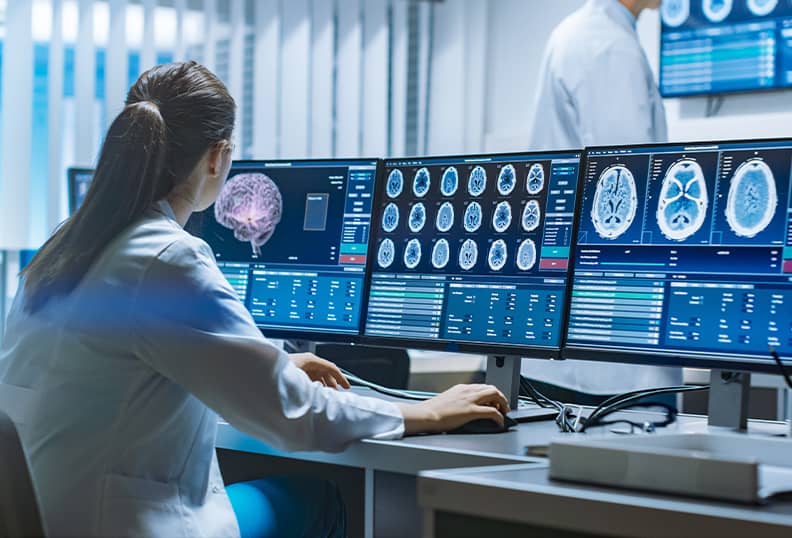
Treatment Overview
- Cognitive assessments to evaluate memory, concentration, and decision-making ability
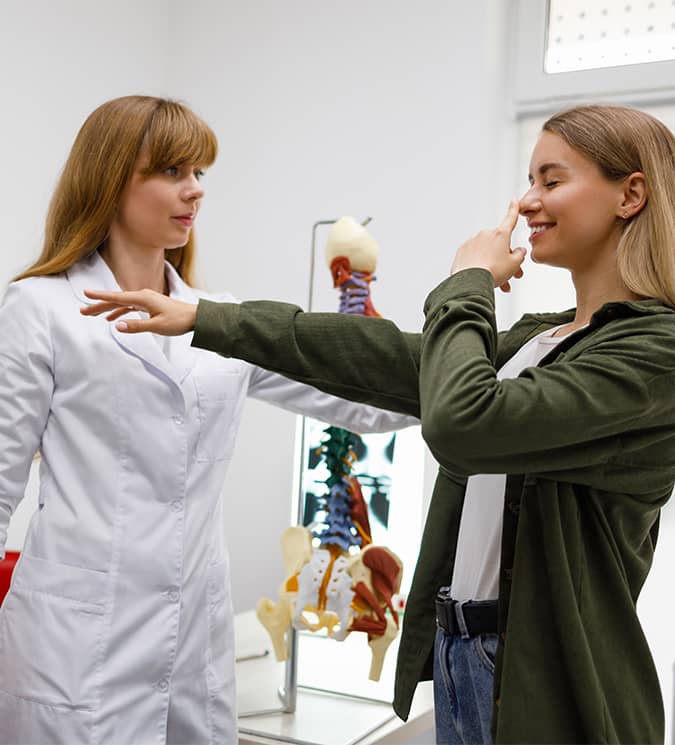
- Motor function testing for reflexes, coordination, and balance
- Neurological screenings for early detection of conditions like neuropathy or Parkinson’s disease
- Stress and sleep evaluations to measure their impact on neurological health
Why Neurological Testing is Important for First Responders
- Quick thinking and motor skills are essential for job safety and public protection
- Stress and shift work may impair memory, focus, and emotional resilience
- Exposure to trauma, chemicals, or injuries may contribute to neurological decline
- Early detection can prevent long-term complications and improve treatment outcomes
Reasons to Schedule Neurological Testing
Memory lapses, difficulty concentrating, or brain fog
Headaches, dizziness, or unexplained balance issues
Tingling, numbness, or weakness in the limbs
History of head trauma or repeated concussions
Concerns about long-term cognitive health and performance readiness
Preventive evaluation for first responders under high occupational stress
Benefits of Neurological Testing
Neurological testing helps first responders stay sharp, resilient, and physically capable in the face of demanding, high-pressure environments. By identifying subtle changes early, we can protect both job performance and long-term brain health.
- Early Detection: Catch neurological issues before they interfere with daily life or duty readiness
- Enhanced Cognitive Function: Improve focus, memory, and decision-making
- Optimized Motor Skills: Support coordination, balance, and quick reflexes
- Stress & Sleep Insights: Reveal how occupational strain impacts brain health
- Personalized Recommendations: Tailored strategies to boost resilience and long-term neurological wellness
A recent study found that over 90% of individuals with mild cognitive impairment (MCI), often an early warning sign of Alzheimer’s, remain undiagnosed by their physicians.
Frequently Asked Questions
Neurological testing evaluates how well the brain and nervous system are functioning. It includes assessments of memory, focus, reflexes, balance, coordination, and overall cognitive health to detect early warning signs of potential issues.
First responders work under high stress, face irregular sleep patterns, and often encounter environmental hazards or trauma. These factors can impact brain health over time. Testing ensures any decline in focus, reflexes, or decision-making ability is detected early.
Testing may detect early signs of:
Mild cognitive impairment (MCI)
Memory loss and attention difficulties
Neuropathy and motor function decline
Conditions like Parkinson’s disease or early dementia
Effects of head trauma or repeated concussions
A typical neurological evaluation may involve:
Cognitive testing for memory, concentration, and problem-solving
Motor function testing for reflexes, balance, and coordination
Sensory evaluations for vision, hearing, or touch responses
Review of medical history and occupational risk factors
First responders or municipal workers exposed to high stress or hazards
Individuals with a history of head trauma or concussion
Adults noticing memory lapses, brain fog, or poor concentration
Men over 40 and women over 50 interested in preventive screening
For most healthy adults, every few years is sufficient. For first responders or individuals with head trauma, family history, or noticeable symptoms, annual testing is strongly recommended.
Detect issues before they interfere with job performance
Maintain focus, reflexes, and decision-making under pressure
Prevent long-term complications with early intervention
Receive personalized strategies to improve brain health and resilience
Yes. All neurological testing results are stored securely and accessible only through our patient-only online portal. Privacy and confidentiality are strictly maintained.