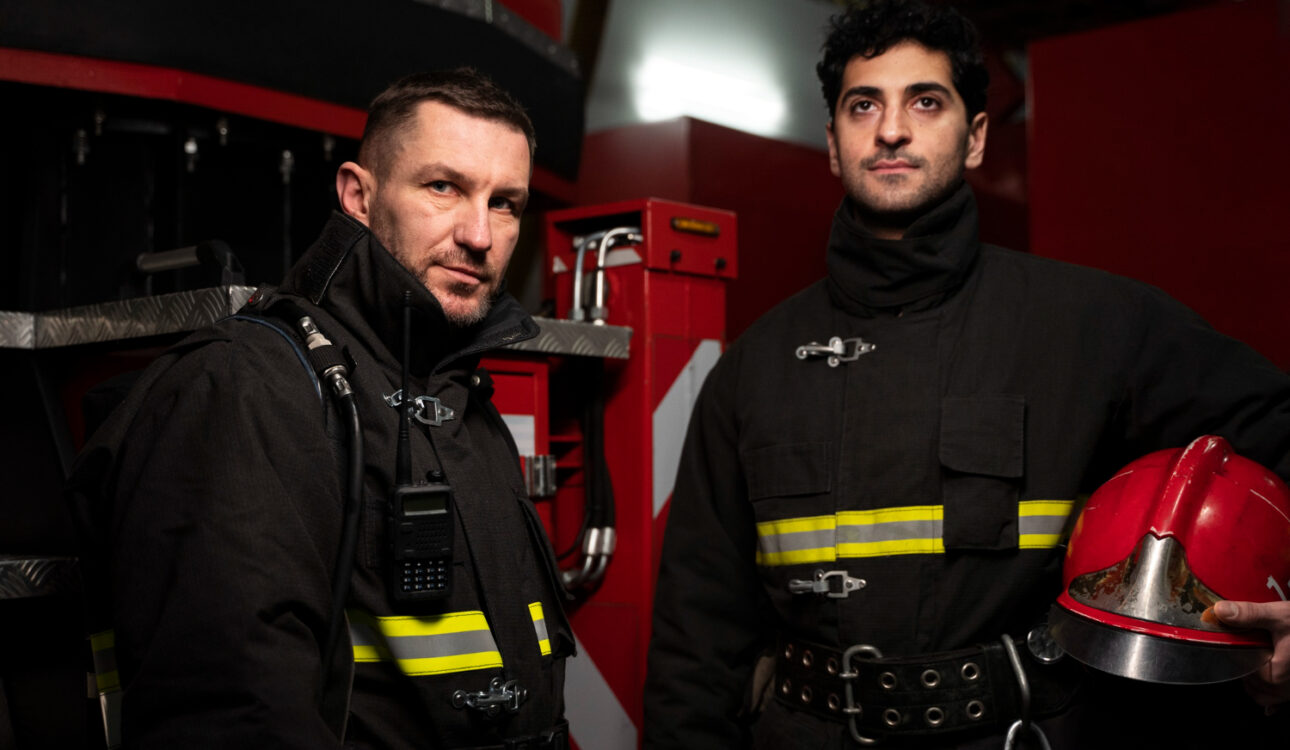
How Low Testosterone Affects First Responders: What Police, Fire, and EMS in Hackensack, NJ Should Know About TRT
How Low Testosterone Affects First Responders: What Police, Fire, and EMS in Hackensack, NJ Should Know About TRT First responders carry a tremendous responsibility that requires physical strength, fast decision making, and the ability to stay calm under intense pressure. At Advanced Medical & Diagnostics Center in Hackensack, our team works with many individuals who serve in police, fire, and EMS roles and want to better understand how hormonal changes impact performance and long-term wellness. As awareness grows regarding low testosterone in Hackensack NJ, more first responders are asking how this condition affects stamina, focus, sleep quality, emotional stability, and overall readiness for duty. The long hours, unpredictable workloads, and high-stress situations that define emergency service work place unique demands on the body. Because testosterone plays an important role in energy production, muscle strength, cognitive clarity, and motivation, first responders experiencing low testosterone in Hackensack NJ often report changes that influence both their professional performance and daily life. This article explains how low testosterone develops, why first responders are at higher risk, and how evidence-based approaches such as TRT may support overall well-being. Understanding these factors can help firefighters, police officers, and EMS professionals recognize symptoms early, seek proper evaluation, and make informed decisions about their health. At Advanced Medical & Diagnostics Center, we aim to provide education that empowers individuals to take proactive steps toward feeling stronger, more focused, and better prepared for the demands of their work. The Role of Testosterone in Strength, Energy, and Stress Response Testosterone is essential for maintaining physical and mental resilience. It supports muscle development, cognitive processing, emotional balance, and effective stress response mechanisms. For first responders, whose careers require intense physical exertion and psychological stability, optimal hormone levels are particularly important. When levels drop, the effects can be especially noticeable during physical tasks, long shifts, or high-pressure scenarios. Testosterone also influences how the body recovers after exertion. Police officers, firefighters, and EMS personnel often experience demanding work conditions that limit rest periods, which can make symptoms more noticeable. Because of these demands, awareness of low testosterone in Hackensack NJ has increased as more men look for ways to improve performance and reduce fatigue. Why First Responders Are More Vulnerable to Hormonal Imbalance While low testosterone can develop for many reasons, first responders face specific risk factors that increase the likelihood of hormonal decline. Chronic stress is one of the strongest contributors. When individuals experience ongoing stress, their cortisol levels may rise, and this can disrupt testosterone production over time. Police officers responding to unpredictable calls, firefighters performing strenuous rescues, and EMS professionals handling urgent medical crises frequently encounter elevated stress. Irregular sleep patterns also play a significant role. Many first responders work overnight shifts or rotating schedules that interfere with consistent sleep. Research shows that disrupted sleep can significantly lower testosterone levels (Mayo Clinic, 2024). These sleep patterns, combined with long work hours, may increase the number of cases of low testosterone in Hackensack NJ among emergency service workers. Physical strain is another factor. Repeated lifting, rushing to emergencies, exposure to extreme conditions, and the physical intensity of rescue operations can impact hormonal balance over time. The body’s recovery system becomes strained, leading to reduced ability to maintain optimal testosterone levels. This pattern often becomes more noticeable as first responders reach their late thirties and forties. Recognizing Symptoms Early Identifying signs of low testosterone early helps prevent symptoms from worsening. Many first responders initially dismiss changes as part of burnout or aging, but the signs can reflect something deeper. Early symptoms may include low energy, difficulty maintaining muscle mass, slower reaction times, and decreased stamina during high-demand situations. When these changes become consistent, they may point toward low testosterone in Hackensack NJ rather than temporary exhaustion. Cognitive symptoms are also common. Individuals experiencing low testosterone may notice difficulty concentrating, irritability, or a decreased ability to remain mentally sharp during extended shifts. Emotional changes such as reduced motivation, lower confidence, or increased feelings of stress can further impact job performance and quality of life. Outside of work, first responders may experience decreased libido, disrupted sleep cycles, or reduced interest in activities they once enjoyed. These symptoms often create a sense of imbalance that affects personal relationships and overall well-being. Because first responders are accustomed to high-functioning performance, these changes can feel especially frustrating or confusing. How Low Testosterone Impacts Physical Job Demands For firefighters, low testosterone may interfere with the endurance and strength needed to handle equipment, climb ladders, or move quickly during rescue tasks. These situations require rapid energy use and sustained power, and hormonal imbalance may make these tasks more difficult. Individuals with low testosterone in Hackensack NJ sometimes report that routine training feels more tiring or takes longer to recover from. Police officers rely heavily on alertness, situational awareness, and the ability to make quick decisions. Low testosterone may contribute to slower reaction times, increased fatigue during patrols, and reduced ability to regulate stress in difficult encounters. These changes can influence both safety and performance. EMS professionals frequently manage long overnight shifts and high-stakes medical calls. The combination of sleep disruptions and physical exertion can make symptoms more visible, especially when low testosterone affects stamina, mood, and mental clarity. Because EMS work often requires multitasking in stressful environments, hormonal imbalance may significantly limit overall efficiency. How Low Testosterone Influences Cognitive Performance in First Responders Beyond physical symptoms, cognitive changes can have a major impact on the daily work of police officers, firefighters, and EMS professionals. Decision making, memory, and concentration are essential to keeping communities safe. When testosterone levels fall, the brain may not process information as quickly, which can affect performance during high-pressure situations. These cognitive shifts may lead individuals to explore whether low testosterone in Hackensack NJ plays a role in their changing mental clarity. First responders often describe moments when they struggle to remain focused during long shifts or feel mentally fatigued earlier than usual. These concerns can influence safety, accuracy, and confidence during critical duties.