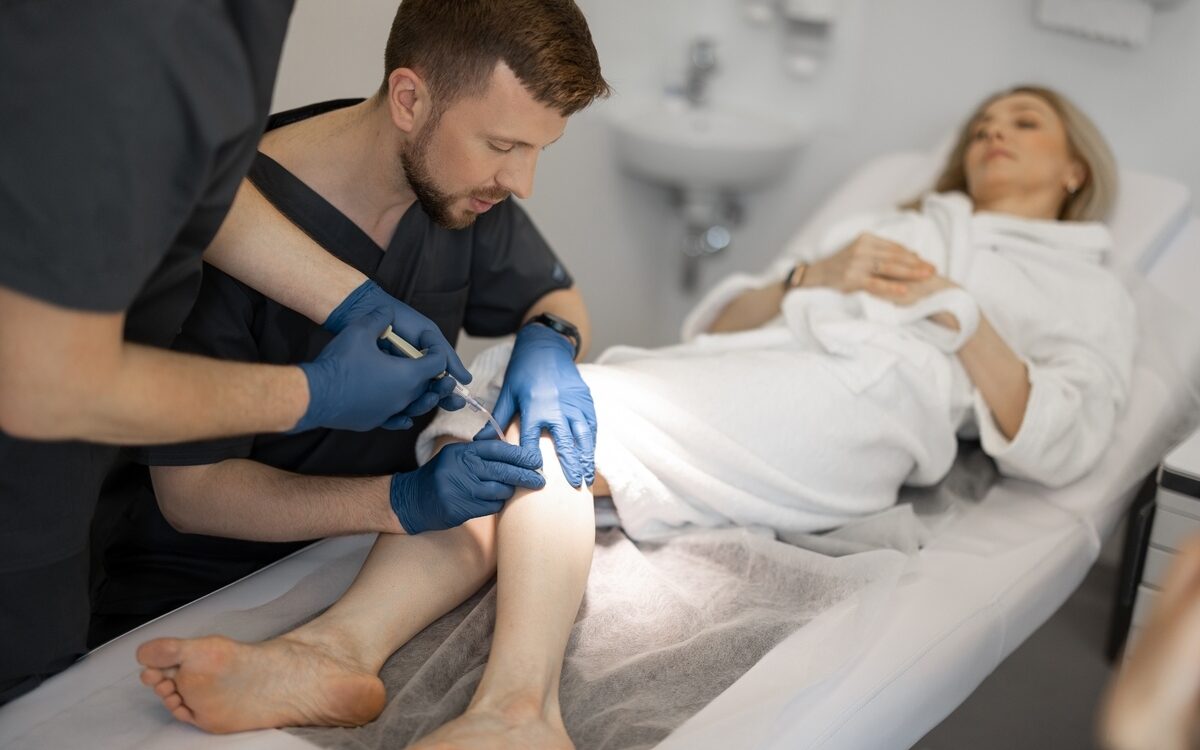
What Is Vein Treatment and How Does It Work?
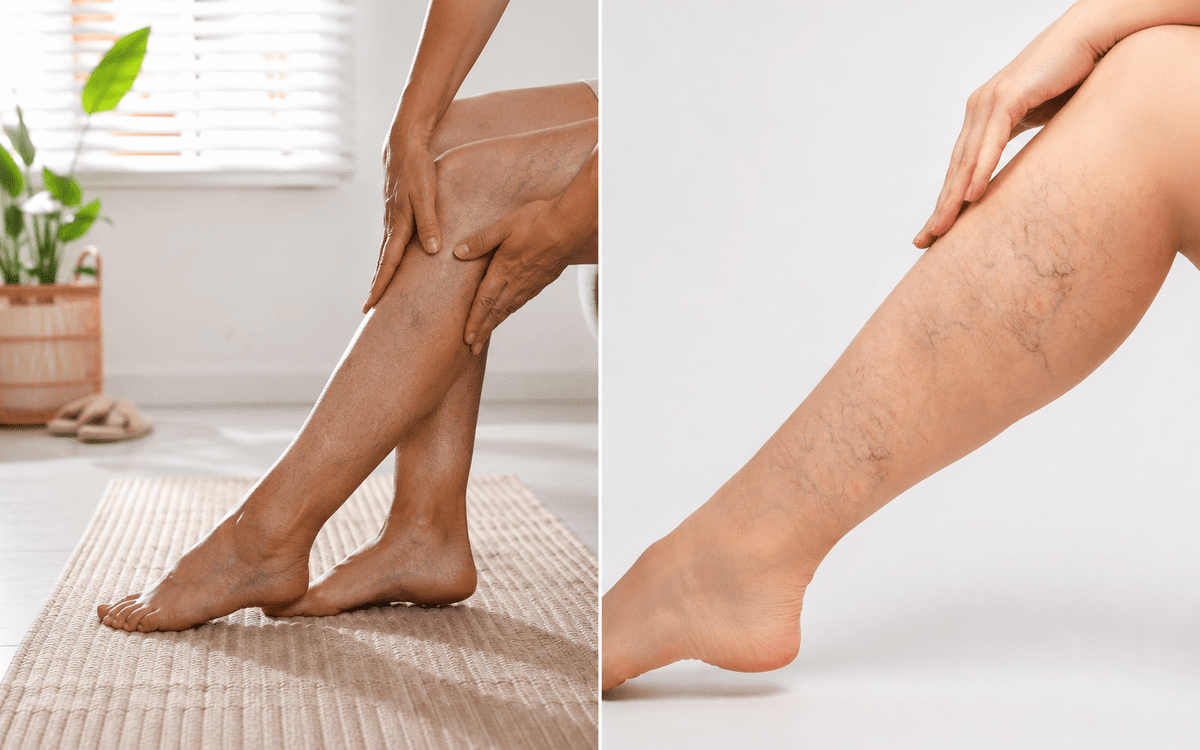
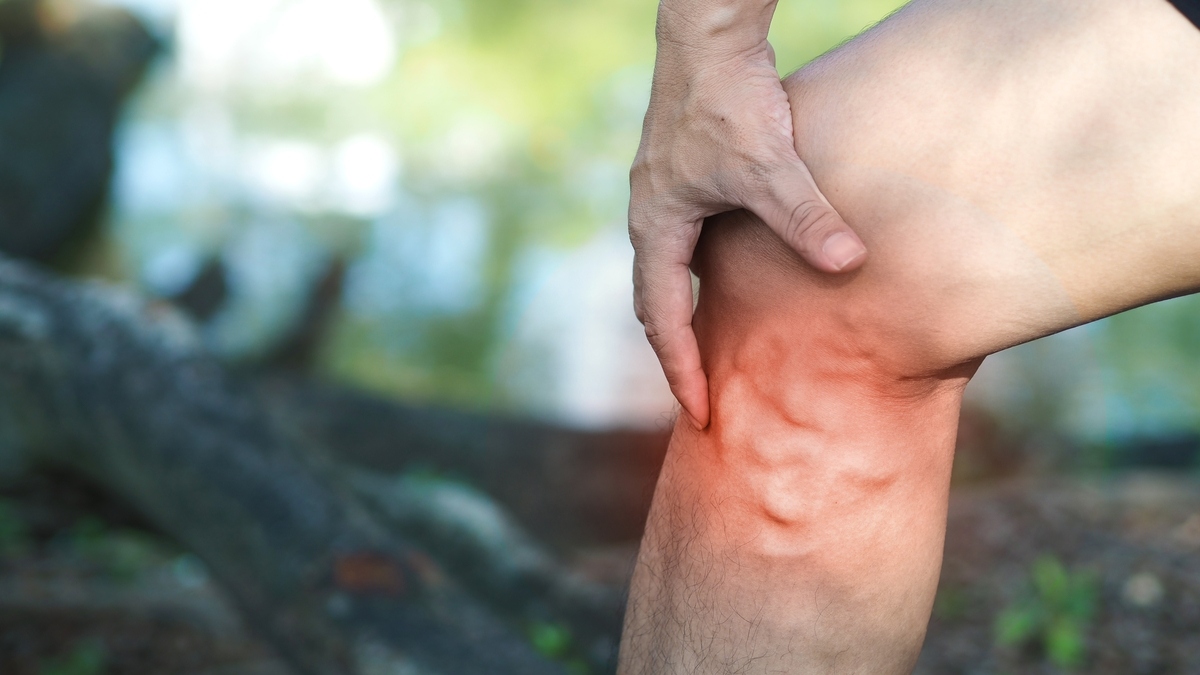
What Is Vein Treatment and How Does It Work? Advanced Medical & Diagnostic Center September 13, 2026 8 min read VEIN TREATMENT Table of Contents 1. Understanding Vein Treatment 2. Why Vein Treatment Is About More Than Appearance 3. The Diagnostic Step That Comes Before Any Procedure 4. The Main Types of Vein Treatment 5. What to Expect on the Day of Your Procedure 6. Recovery After Vein Treatment 7. Are You a Good Candidate for Vein Treatment? 8. Frequently Asked Questions 9. What to Do Next If you have noticed bulging or discolored veins on your legs and started researching your options, you have probably come across a lot of unfamiliar terms and conflicting information. Understanding what is vein treatment and how the process actually works can make the decision to get evaluated feel a lot less intimidating. This guide walks you through what vein treatment involves, from the first diagnostic step to full recovery, so you know what to expect before you ever schedule an appointment. 1. What Is Vein Treatment? Vein treatment is a general term for the range of medical procedures used to close off or remove veins that are no longer functioning properly, most commonly varicose veins, spider veins, and the underlying condition that causes them, chronic venous insufficiency. Your leg veins rely on a series of one-way valves to keep blood moving toward your heart. When those valves weaken, blood flows backward and pools in your lower legs instead of circulating efficiently. Over time, that pooled blood puts pressure on the vein walls, causing them to stretch, bulge, and become visible under your skin. So what is vein treatment actually designed to accomplish? The goal is not simply to make veins less visible. It is to redirect blood flow away from the damaged vein and into healthy veins nearby, relieving the pressure that caused your symptoms in the first place. According to the National Heart, Lung, and Blood Institute, most modern treatments accomplish this by closing off the affected vein rather than removing it surgically, which is why today’s procedures involve far less downtime than the vein stripping surgeries of the past. 2. Why Vein Treatment Is About More Than Appearance It is easy to assume vein treatment is purely cosmetic, but that is not the full picture. Varicose veins and chronic venous insufficiency are medical conditions that can progress if left alone. Symptoms that often accompany vein disease include: Aching, throbbing, or heaviness in your legs, especially by the end of the day Swelling around your ankles or lower legs Itching or a burning sensation near the affected vein Nighttime leg cramps Skin discoloration or changes in texture over time According to MedlinePlus, a service of the National Library of Medicine, untreated venous insufficiency can eventually lead to more serious complications, including skin changes and venous ulcers. If you want a closer look at how that progression unfolds, our guide on what happens if you leave varicose veins untreated covers each stage in detail. 3. The Diagnostic Step That Comes Before Any Procedure Before any treatment is scheduled, your provider needs a clear picture of what is happening beneath the surface of your skin. This is where duplex ultrasound comes in. This non-invasive imaging study allows your provider to visualize blood flow in real time, identify which veins have valve dysfunction, and determine whether the veins you can see are connected to a deeper source of insufficiency. Skipping this step and treating veins based on appearance alone is one of the most common reasons vein treatment fails to produce lasting results. A thorough evaluation ensures that your treatment plan is built around the actual source of the problem, not just what is visible on the surface. 4. The Main Types of Vein Treatment There is no single answer to what is vein treatment, because several different procedures fall under that umbrella. Your provider selects the right approach based on your ultrasound findings, the size and location of the affected veins, and your overall health. Radiofrequency ablation. A thin catheter delivers radiofrequency energy inside the vein, generating heat that seals the vein shut so blood reroutes through healthy vessels nearby. Endovenous laser ablation. Similar to radiofrequency ablation, this method uses laser energy delivered through a catheter to close the affected vein. VenaSeal closure. A medical adhesive is used to seal the vein shut without the need for heat or tumescent anesthesia. Sclerotherapy. A solution is injected directly into smaller veins, causing them to collapse and fade over time. This is often used for spider veins or smaller varicose veins. Ambulatory phlebectomy. Larger surface veins are removed through tiny incisions, typically performed alongside another closure method. Most patients are surprised to learn how minor these procedures actually are compared to what they expected. None of them require general anesthesia or a hospital stay. 5. What to Expect on the Day of Your Procedure Understanding what happens on procedure day can ease a lot of the anxiety around getting started. Most vein procedures at Advanced Medical and Diagnostics Center are performed in-office under local anesthesia and take between 30 and 60 minutes from start to finish. Your provider numbs the treatment area, then uses ultrasound guidance to access the affected vein and perform the selected procedure. You remain awake throughout, and most patients describe the sensation as mild pressure rather than pain. There are no surgical incisions requiring stitches, no general anesthesia, and no overnight hospital stay involved in the vast majority of cases. If your evaluation and treatment take place at our Hackensack office, you can read more about what the full process looks like on our vein treatment in Hackensack NJ page. 6. Recovery After Vein Treatment One of the biggest advantages of modern vein treatment is how quickly you can return to your normal routine. Most patients resume light daily activities the same day or the following day. Your provider will give you specific guidance based on the procedure performed, but general recovery expectations include: Wearing compression stockings for a period of time