What Should You Avoid Before a Cardiac Stress Test?
- Advanced Medical & Diagnostic Center
- June 7, 2026
- 10 min read
Pulmonary Testing
Table of Contents
- 1. What Is a Cardiac Stress Test and Why Does Preparation Matter?
- 2. Foods and Drinks to Avoid Before Your Test
- 3. Why Caffeine Is the Most Important Thing to Avoid
- 4. Medications to Review With Your Doctor
- 5. Physical Activity and Lifestyle Habits to Avoid
- 6. What to Wear and How to Prepare Your Skin
- 7. Frequently Asked Questions
- 8. What You Do Before the Test Is Part of the Test
If you have been scheduled for a cardiac stress test, you are probably wondering how to prepare. What you do in the hours and days before the test matters more than most people realize. Certain foods, medications, and daily habits can interfere with your results and make it harder for your doctor to get an accurate picture of how your heart is actually performing. Understanding what to avoid before a cardiac stress test gives you the best chance of a clean, reliable evaluation the first time around.
For patients who want to understand the full scope of what heart and lung evaluations involve, the cardiovascular and pulmonary testing service page provides a helpful overview of what these screenings assess and who they are recommended for.
This guide covers everything you need to know, from fasting and caffeine rules to medications, exercise, and what to wear on the day of your appointment.
1. What Is a Cardiac Stress Test and Why Does Preparation Matter?
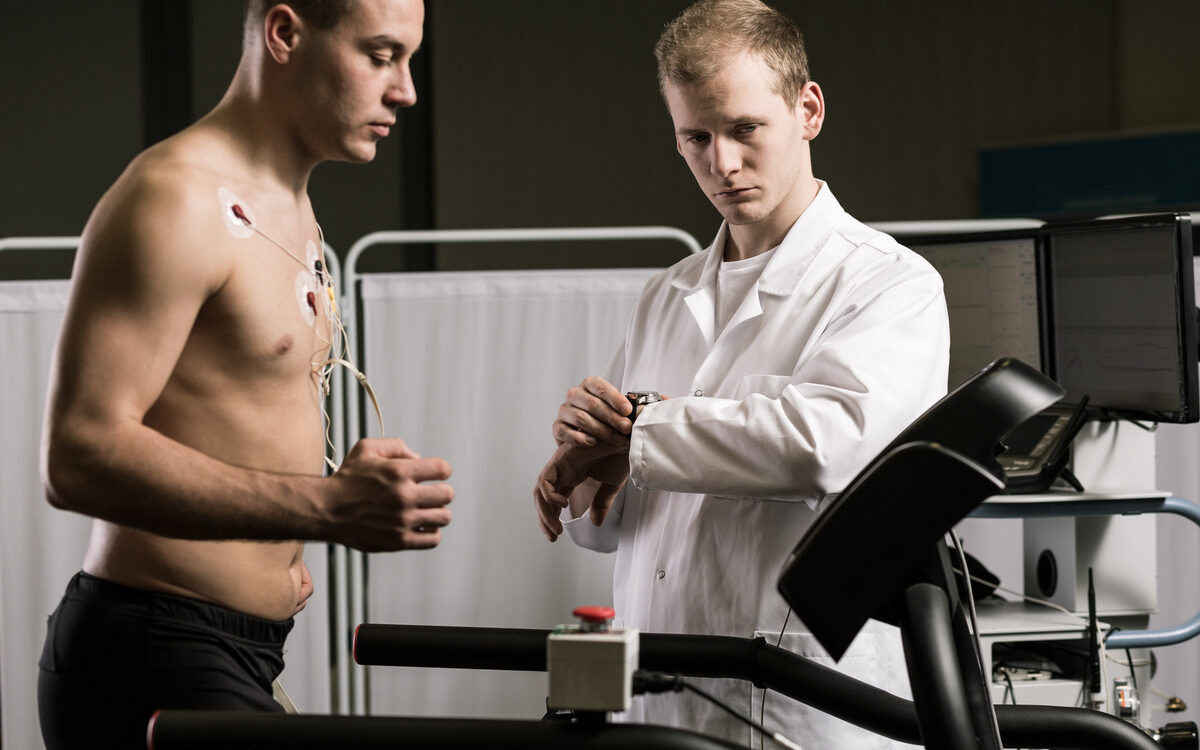
A cardiac stress test measures how your heart responds to physical exertion. According to the American Heart Association, the test is used to diagnose coronary artery disease, identify arrhythmias, and determine how much stress your heart can safely handle. During the evaluation, you will typically walk on a treadmill or ride a stationary bike while your heart rate, blood pressure, and electrical activity are closely monitored by a clinical team.
Because the test is specifically designed to push your heart under controlled conditions, anything that artificially alters your heart rate, blood pressure, or cardiovascular response beforehand can compromise the results. A poorly prepared patient may produce results that appear normal when something is actually wrong, or they may trigger unnecessary follow-up testing that adds cost, time, and anxiety.
Preparation is not optional. It is the foundation of an accurate cardiac stress test result.
2. Foods and Drinks to Avoid Before Your Test
Do Not Eat for at Least 3 to 4 Hours Before Your Appointment
Your doctor will provide specific fasting instructions based on your health history, but the general clinical standard is to avoid all food and most beverages for a minimum of three to four hours before your appointment. Eating before a cardiac stress test can cause nausea during exercise and may change the way your heart and blood vessels respond to physical exertion.
- Avoid all solid foods for at least 3 to 4 hours before the test
- Avoid milk, juice, and sugary drinks in the hours leading up to your appointment
- Water is generally permitted and encouraged to keep you hydrated
- If you have diabetes, speak with your provider before the test about how to manage your blood sugar on the day of your appointment, since fasting can affect your glucose levels
Avoid Alcohol for at Least 24 Hours
Alcohol affects your heart rate, blood pressure, and the electrical activity of the heart. Arriving with alcohol in your system can compromise both the safety of the test and the accuracy of your results. Avoid all alcoholic beverages for at least 24 hours before your cardiac stress test.
3. Why Caffeine Is the Most Important Thing to Avoid
Caffeine is the single most critical thing to avoid before a cardiac stress test, and it is also the most commonly forgotten preparation step. According to the Mayo Clinic, caffeine raises your resting heart rate and blood pressure before the evaluation even begins, which can skew the baseline measurements the test depends on.
For chemical or pharmacological stress tests, the issue goes deeper. These tests use medications like adenosine or regadenoson to mimic the effect of exercise on the heart. Caffeine directly blocks how these medications work, which can render the test unreliable or require it to be rescheduled entirely.
Sources of caffeine to avoid for at least 24 hours before your cardiac stress test include:
- Coffee, including decaffeinated coffee, which still contains trace amounts of caffeine
- Tea, both hot and iced varieties
- Soda and energy drinks
- Chocolate and cocoa-based products
- Over-the-counter headache medications that contain caffeine, such as Excedrin
Even small amounts can affect your results. If there is any doubt about whether something contains caffeine, avoid it entirely.
4. Medications to Review With Your Doctor
Certain medications can interfere with how your heart performs during a cardiac stress test. You should never stop taking a prescribed medication on your own without guidance, but you should review your complete medication list with your provider before the appointment so adjustments can be made if necessary.
According to the Cleveland Clinic, substances including caffeine, certain medications, food, and nicotine can all interfere with test accuracy. Medications that may need to be paused or adjusted include:
- Beta-blockers such as metoprolol or atenolol, which lower your heart rate and can prevent you from reaching the target heart rate needed for a valid result
- Calcium channel blockers that affect your heart rate or blood pressure response
- Certain heart rhythm medications that alter how your heart responds to exertion
- Erectile dysfunction medications such as sildenafil, which interact with some of the medications used during pharmacological stress tests
Do not discontinue any medication without speaking with your provider first. If you use an inhaler for asthma or a respiratory condition, bring it with you to the appointment. You will likely need it available during or after the test.
5. Physical Activity and Lifestyle Habits to Avoid
No Strenuous Exercise the Day Before
Vigorous exercise in the 24 hours before a cardiac stress test can leave your muscles fatigued, limit how hard you are able to push on the treadmill, and cause temporary changes in your heart’s electrical activity that may linger into the next day. These lingering changes can complicate how your doctor interprets your results.
- Avoid intense cardio workouts, heavy lifting, or strenuous physical activity the day before your test
- Light walking is generally acceptable
- Arrive well rested so the test reflects your true cardiovascular baseline
Do Not Smoke or Use Tobacco on the Day of Your Test
Nicotine raises your heart rate and blood pressure and changes how your blood vessels respond to physical stress. Avoid smoking and all tobacco products on the day of your cardiac stress test. For first responders who undergo routine screenings as part of their occupational health requirements, understanding what heart tests are recommended annually can help put your cardiac stress test into the broader context of long-term cardiovascular monitoring.
6. What to Wear and How to Prepare Your Skin
Dress for Physical Activity
You will be walking, jogging, or pedaling during the test, so what you wear directly affects your comfort and performance. Choose clothing and footwear suited to exercise.
- Comfortable, loose-fitting clothing that allows free movement
- Athletic shoes or supportive walking shoes
- Avoid dress shoes, sandals, high heels, or boots
Do Not Apply Lotion, Oil, or Powder to Your Chest
Electrodes will be attached to your chest throughout the cardiac stress test to monitor your heart’s electrical activity. These electrodes require direct, firm contact with your skin to produce clean and accurate readings. Lotion, body oil, powder, or any topical product applied to your chest or torso creates a barrier between the electrode adhesive and your skin, which degrades signal quality and can introduce errors into the recording.
On the morning of your test, shower normally but do not apply any products to your chest or torso before arriving.
7. Frequently Asked Questions
Yes. Water is generally permitted before the test and staying hydrated is encouraged. It supports accurate blood pressure readings and makes physical exertion more comfortable. Avoid all other beverages unless your provider has specifically approved them.
Let your provider know before the test begins. Depending on the type of cardiac stress test scheduled and how recently you consumed caffeine, the appointment may need to be rescheduled to ensure accurate and reliable results.
It depends on what you take. Some medications should be continued as normal while others, particularly those that affect heart rate, may need to be temporarily paused. Review your full medication list with your doctor before your appointment and follow their specific guidance.
The full process including preparation, the test itself, and post-test monitoring typically takes one to three hours depending on the type of evaluation. The exercise portion is generally around 10 to 15 minutes, but monitoring continues both before and after exertion.
Yes. The test is closely supervised by trained medical professionals who monitor your heart throughout the entire evaluation. It is stopped immediately if any concerning symptoms develop. Serious complications are rare.
This varies by provider and insurance plan. Many diagnostic centers accept self-referrals for preventive evaluations. Patients in the Hackensack area who are considering a first evaluation can find details about what the process involves and what to expect on the day of the appointment through the cardiovascular and pulmonary testing clinic in Hackensack.
8. What You Do Before the Test Is Part of the Test
Most people treat a cardiac stress test as something that begins when they walk through the clinic door. It does not. The choices you make in the 24 hours before your appointment, what you eat, what you drink, how hard you trained the day before, whether you reviewed your medications with your doctor, shape the data the test produces just as much as what happens during the evaluation itself.
A cardiac stress test is only as reliable as the conditions under which it is performed. When caffeine has elevated your resting heart rate, when a heavy meal is still working through your system, or when yesterday’s workout has left residual fatigue in your muscles, your heart is not performing at its true baseline. The results your physician reviews will reflect those variables rather than your actual cardiovascular health.
The preparation steps in this guide are not complicated. None of them require a significant lifestyle change or advance planning beyond a day or two. What they require is that you take the appointment seriously enough to follow through. A rescheduled test because of caffeine consumption or an inconclusive result because of electrode interference from skin lotion is time lost and an opportunity missed.
Your doctor ordered this test because understanding how your heart performs under stress matters for your health. Give the test the conditions it needs to do its job.
Key Takeaways
- Avoid caffeine for at least 24 hours before your test, including decaf, tea, soda, chocolate, and caffeine-based medications
- Fast for a minimum of 3 to 4 hours before your appointment and drink water to stay hydrated
- Skip strenuous exercise the day before to avoid residual fatigue and temporary electrical changes in your heart
- Review all medications with your doctor beforehand, especially beta-blockers and calcium channel blockers
- Do not smoke or use tobacco products on the day of your cardiac stress test
- Arrive with clean, lotion-free skin on your chest so electrodes make proper contact
- Wear comfortable clothing and athletic shoes suited for walking or light jogging
Do Not Let Poor Preparation Compromise Your Results.
A cardiac stress test gives your doctor a direct window into how your heart performs under real physical demand. That window is only as clear as the conditions you arrive with. If your appointment is coming up, prepare properly and give the evaluation the best chance to do what it was designed to do.