Advanced Medical & Diagnostic Center

ongoing heart tests for first responders

What Heart Tests Should First Responders Have Every Year?

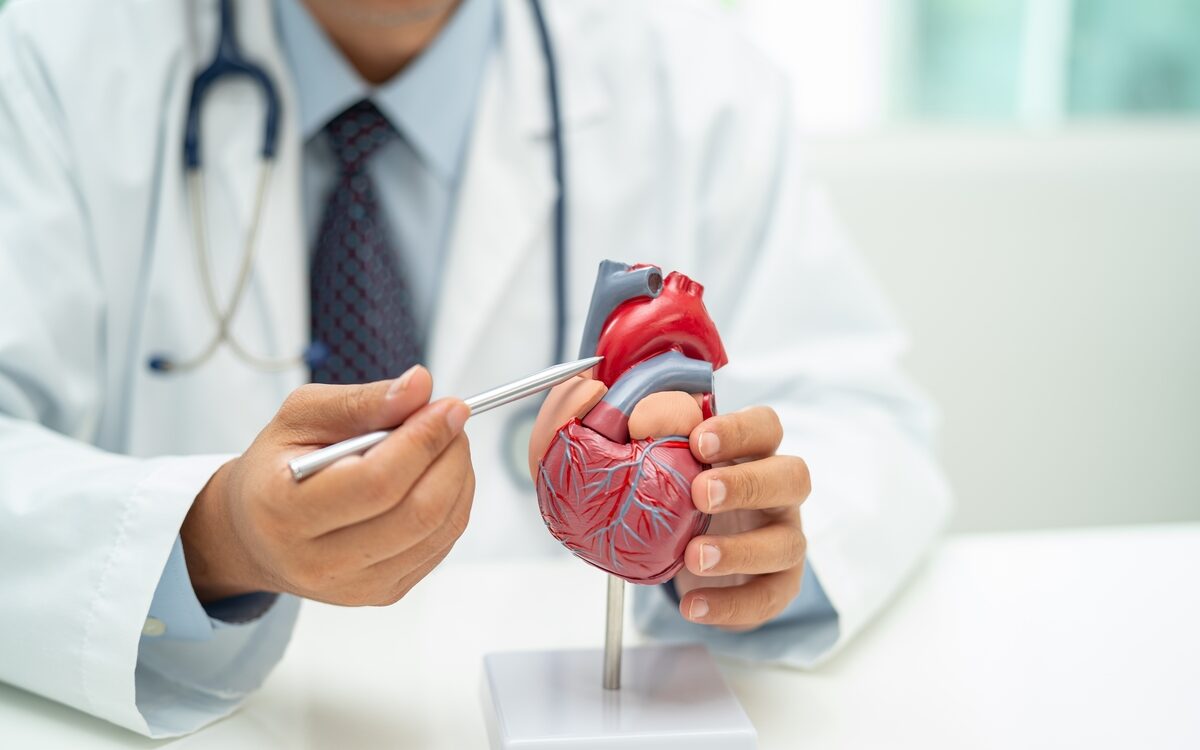
What Heart Tests Should First Responders Have Every Year? If you are a police officer, firefighter, EMT, or municipal worker, your heart takes on more than most people realize. Long shifts, unpredictable emergencies, physical exertion, chronic stress, and disrupted sleep all place sustained demands on your cardiovascular system that most desk workers never face. Heart tests for first responders are not just a good idea. For many, they are essential. Cardiovascular disease is the leading cause of line-of-duty deaths among firefighters, accounting for nearly half of all on-duty fatalities according to research published in the Journal of the American College of Cardiology. The difficult reality is that many of these deaths are preceded by warning signs that could have been caught earlier with routine testing. This guide covers the specific heart tests first responders should prioritize, how often each should be done, and what each one is designed to detect before a problem becomes a crisis. Why First Responders Face a Higher Cardiovascular Risk Before getting into the specific tests, it helps to understand why first responders need more proactive cardiac monitoring than the average person. Several occupational factors contribute to elevated cardiovascular risk in this population. Chronic psychological stress keeps cortisol levels elevated, which over time contributes to inflammation, arterial stiffness, and elevated blood pressure. Shift work disrupts circadian rhythms and sleep architecture, both of which are strongly linked to increased cardiac risk. Sudden bursts of intense physical exertion, such as responding to a fire or a high-speed pursuit, place acute stress on the heart that can trigger cardiac events in people with underlying but undetected disease. Add to this the fact that many first responders are conditioned to push through discomfort and minimize symptoms, and it becomes clear why silent cardiovascular disease is a particular concern in this population. The goal of annual heart testing is to find what you cannot feel. The Core Heart Tests First Responders Should Have Every Year Resting Electrocardiogram (EKG) An EKG records the electrical activity of the heart at rest. It is fast, non-invasive, and takes less than 10 minutes. Despite its simplicity, a resting EKG can detect a range of clinically significant findings, including: Abnormal heart rhythms (arrhythmias) Signs of a previous heart attack that occurred without obvious symptoms Enlarged heart chambers Conduction abnormalities that affect how electrical signals travel through the heart For first responders, a resting EKG is the baseline starting point for annual cardiac evaluation. It establishes a documented record of your heart’s electrical pattern so that changes can be identified over time. Stress Test (Exercise Electrocardiogram) A resting EKG shows how the heart functions at baseline. A stress test shows how it responds under physical demand which is exactly the condition first responders routinely find themselves in. During a stress test, you walk on a treadmill or pedal a stationary bike at increasing intensity while your heart rate, blood pressure, and EKG are continuously monitored. The test is designed to reveal problems that only appear when the heart is working hard, including reduced blood flow to the heart muscle that would not show up at rest. For first responders, this is one of the most relevant tests available. The conditions of a stress test closely mirror the sudden cardiovascular demands of emergency response, making it particularly effective at identifying risk in this population. Echocardiogram An echocardiogram uses ultrasound to create a real-time image of the heart’s structure and function. It shows how the heart muscle contracts, how the valves open and close, and how blood moves through the chambers. Key findings an echocardiogram can identify include: Reduced ejection fraction, which indicates the heart is not pumping as efficiently as it should Valve abnormalities such as stenosis or regurgitation Wall motion abnormalities that suggest areas of the heart muscle are not receiving adequate blood supply Enlargement or thickening of the heart chambers An echocardiogram is typically recommended every one to two years for first responders, or annually for those with known risk factors or prior abnormal findings. Comprehensive Blood Panel A blood test is not a cardiac imaging study, but it is an indispensable part of annual heart health monitoring. A comprehensive cardiovascular blood panel for first responders should include: Total cholesterol, LDL, HDL, and triglycerides. Lipid levels are among the strongest modifiable risk factors for coronary artery disease. Fasting blood glucose and HbA1c. Elevated blood sugar and insulin resistance significantly increase cardiovascular risk, and both are more common in people with disrupted sleep patterns, including shift workers. High-sensitivity C-reactive protein (hs-CRP). This marker measures systemic inflammation, which is an independent predictor of cardiovascular events. Complete blood count (CBC). Provides a broad picture of overall health and can flag conditions that place indirect strain on the heart. Blood pressure reading. Hypertension is the most common cardiovascular risk factor and one of the most underdiagnosed in otherwise healthy, active individuals. Blood Pressure Monitoring Blood pressure should be checked at every annual visit and ideally more frequently for first responders who work rotating shifts. Hypertension is often called the silent killer precisely because it produces no symptoms in most people until it has already caused significant damage to the arteries and heart. Normal blood pressure is generally considered below 120/80 mmHg. Readings consistently above this threshold warrant monitoring and potentially lifestyle or medical intervention. For first responders, blood pressure should always be measured in a rested state, not immediately after physical exertion, to get an accurate baseline reading. Additional Tests Based on Age and Risk Factors Beyond the core annual panel, certain tests become increasingly important as first responders age or if specific risk factors are present. Coronary Artery Calcium (CAC) Scoring A CAC scan is a low-dose CT scan of the chest that detects and quantifies calcium deposits in the coronary arteries. Calcium in the coronary arteries is a direct marker of atherosclerosis, the buildup of plaque that narrows arteries and restricts blood flow to the heart. A CAC score of zero indicates very low short-term cardiovascular risk.

pulmonary function test consultation

What Is a Pulmonary Function Test and What Does It Measure?

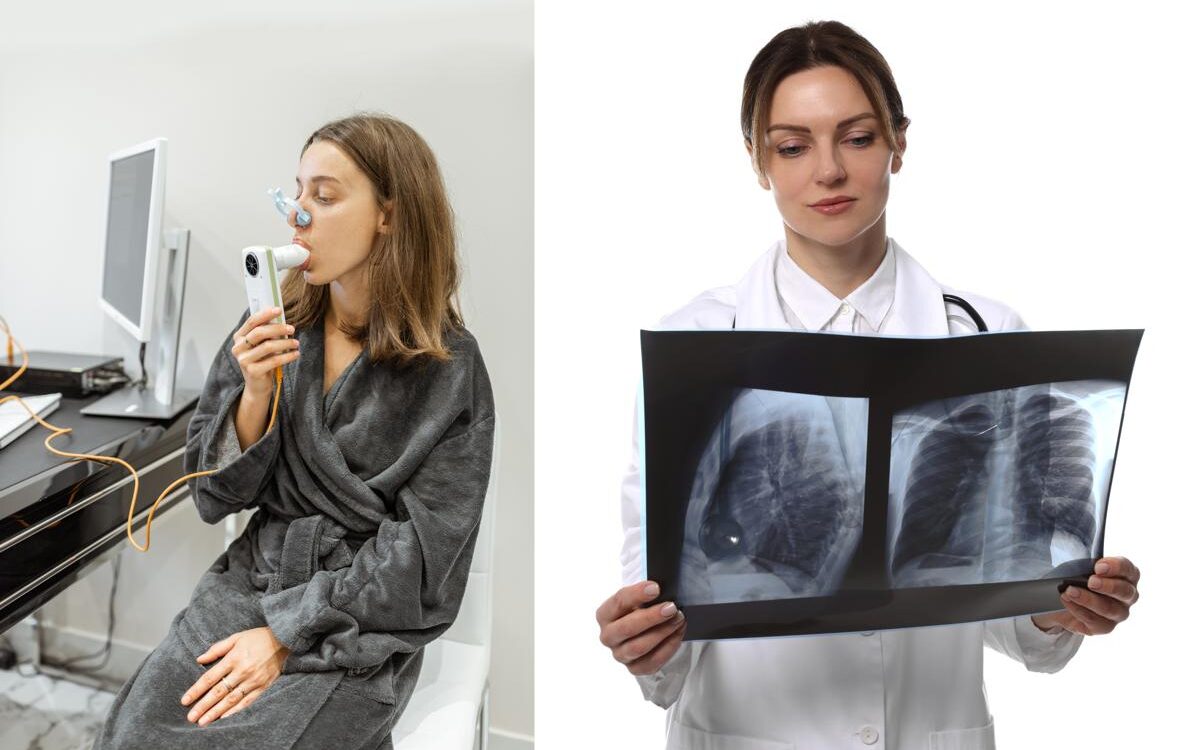
What Is a Pulmonary Function Test and What Does It Measure? If your doctor has recommended a pulmonary function test, you might be wondering what exactly it involves and what the results will tell you. A pulmonary function test is one of the most informative tools available for evaluating how well your lungs are working, and it is far more detailed than a routine physical exam can provide. Understanding what a pulmonary function test measures and why it matters is the first step toward taking your lung health seriously. Whether you have been experiencing shortness of breath, a persistent cough, reduced stamina, or you simply want a baseline picture of your respiratory health, this guide covers everything you need to know before your appointment. What Is a Pulmonary Function Test? A pulmonary function test, commonly referred to as a PFT, is a group of non-invasive breathing tests that measure how well your lungs take in air, hold air, and move air in and out. The results give your provider a detailed picture of your lung capacity, airflow efficiency, and overall respiratory function. Unlike a chest X-ray, which shows the physical structure of the lungs, a pulmonary function test measures performance. It tells your provider not just what your lungs look like, but how well they are actually doing their job of delivering oxygen to your body. PFTs are used to diagnose respiratory conditions, monitor existing lung disease, assess the impact of occupational exposures, and evaluate lung health before certain medical procedures. They are also used as a baseline measurement so that changes in lung function can be tracked over time. What Does a Pulmonary Function Test Measure? A complete pulmonary function test evaluates several distinct aspects of lung performance. Each measurement tells a different part of the story. Spirometry — The Most Common PFT Spirometry is the foundational component of most pulmonary function evaluations. During this test, you breathe into a mouthpiece connected to a device called a spirometer, which records the speed and volume of air you move with each breath. The two most important values spirometry measures are: FEV1 (Forced Expiratory Volume in 1 second). This measures how much air you can forcefully exhale in the first second of a breath out. It is one of the most reliable indicators of airway obstruction. FVC (Forced Vital Capacity). This measures the total amount of air you can exhale after taking the deepest breath possible. The ratio of FEV1 to FVC is particularly meaningful. A lower ratio suggests obstructive lung disease, such as asthma or COPD, where air is trapped and cannot move out efficiently. A normal ratio with reduced overall volumes may suggest a restrictive pattern, where the lungs cannot fully expand. Lung Volume Tests Spirometry measures how much air moves in and out, but lung volume tests go further by measuring the total amount of air the lungs can hold and the amount that remains after you exhale completely. Key measurements include: Total Lung Capacity (TLC). The total volume of air in the lungs after a maximum inhalation. Residual Volume (RV). The amount of air that remains in the lungs after a full exhalation. This air cannot be breathed out and is always present. Functional Residual Capacity (FRC). The amount of air remaining after a normal, relaxed exhalation. These measurements help identify restrictive lung conditions, where the lungs cannot fully expand due to scarring, muscle weakness, or structural changes. Diffusion Capacity (DLCO) This test measures how efficiently oxygen crosses from the air sacs in your lungs into your bloodstream. It involves inhaling a small amount of a tracer gas, holding your breath briefly, then exhaling while the device analyzes how much of the gas was absorbed. A reduced diffusion capacity can indicate conditions such as pulmonary fibrosis, emphysema, or pulmonary hypertension, where the membrane between the air sacs and blood vessels is thickened or damaged. Peak Flow Measurement Peak flow measures the maximum speed at which you can exhale air. It is a simpler, faster test often used to monitor asthma and assess how well airways are opening and closing in response to treatment or environmental triggers. What Conditions Can a Pulmonary Function Test Detect? A pulmonary function test provides the clinical data needed to diagnose or rule out a range of respiratory conditions, including: Asthma. Characterized by variable airflow obstruction, often showing a reduced FEV1 that improves after bronchodilator medication is administered during testing. Chronic Obstructive Pulmonary Disease (COPD). Identified by a persistently reduced FEV1/FVC ratio, indicating irreversible airflow limitation. According to the American Lung Association, COPD affects more than 16 million Americans, and many cases go undiagnosed for years. Pulmonary fibrosis. A restrictive condition where lung tissue becomes scarred and stiff, reducing total lung capacity and diffusion capacity. Occupational lung disease. Conditions caused by long-term exposure to dust, smoke, chemicals, or other airborne hazards, which are particularly relevant for firefighters, construction workers, and other high-exposure professions. Pulmonary hypertension. Elevated pressure in the lung’s blood vessels, which can reduce diffusion capacity and exercise tolerance. PFTs do not diagnose these conditions on their own. Results are always interpreted alongside symptoms, medical history, and other diagnostic findings. What Happens During a Pulmonary Function Test? Knowing what to expect can make the appointment feel much less uncertain. The process is straightforward and causes no pain or discomfort. Preparation. You will be asked to avoid smoking, heavy exercise, and certain medications such as inhalers in the hours before your test. Your provider will give you specific instructions beforehand. Baseline measurements. Your height, weight, age, and sex are recorded because normal lung function values vary based on these factors. Spirometry. You will sit upright, wear a nose clip, and breathe through a mouthpiece. You will be asked to inhale as deeply as possible and then exhale as hard and fast as you can for several seconds. This is typically repeated three times to ensure consistent results. Additional tests if indicated. Depending on what your provider is evaluating, lung volume testing and

Cardiovascular and pulmonary testing used to evaluate heart and lung function

When Is Cardiovascular and Pulmonary Testing Needed? Signs, Symptoms, and Referrals

When Is Cardiovascular and Pulmonary Testing Needed? Signs, Symptoms, and Referrals Being referred for cardiovascular and pulmonary testing can raise a lot of questions for you. You might be unsure why your healthcare provider recommended testing, what symptoms prompted the referral, or whether the evaluation means something serious is wrong. In most cases, these tests are ordered to gather clearer information about your health and not to confirm a diagnosis on their own. Cardiovascular and pulmonary testing is used to evaluate how your heart and lungs are functioning together. Because these two systems are closely connected, changes in one can affect the other. Symptoms like shortness of breath, fatigue, or reduced exercise tolerance can be difficult to interpret without objective data, which is why your provider may rely on testing to help guide your next steps. This guide explains when cardiovascular and pulmonary testing is commonly needed, what symptoms and conditions might lead to a referral for you, and how your provider decides whether testing is the right approach. What Is Cardiovascular and Pulmonary Testing? Cardiovascular and pulmonary testing refers to a group of diagnostic evaluations used to assess heart and lung performance. These tests measure how effectively the heart circulates blood and how efficiently the lungs move oxygen into the body. You may also hear this referred to as a cardiopulmonary evaluation. This approach looks at both systems together, rather than evaluating the heart or lungs in isolation. Because oxygen delivery depends on both circulation and breathing, evaluating them as a combined system often provides more meaningful insight. Unlike routine physical exams, cardiovascular and pulmonary testing uses objective measurements. These results help healthcare providers understand how the body responds under rest and, in some cases, controlled activity. Common Symptoms That May Lead to Testing Healthcare providers often recommend cardiovascular and pulmonary testing when symptoms suggest the heart and lungs may not be functioning as efficiently as expected. These symptoms can vary widely and may develop gradually or appear during activity. Breathing-Related Symptoms Shortness of breath is one of the most common reasons testing is ordered. This may occur during physical activity, at rest, or in situations that previously did not cause difficulty. Reduced exercise tolerance and unexplained fatigue are also common concerns, especially when they interfere with daily activities. Providers may recommend testing when breathing symptoms persist despite rest, lifestyle adjustments, or initial treatment. Heart-Related Symptoms Symptoms such as chest discomfort, palpitations, or a sensation of an irregular heartbeat can also prompt further evaluation. While these symptoms do not always indicate a heart condition, testing helps providers rule out or identify potential contributors. Dizziness or lightheadedness, especially when associated with exertion, may also lead to cardiopulmonary evaluation. Symptoms That Persist or Worsen Over Time When symptoms do not resolve or gradually worsen, testing may be recommended even if they initially seemed mild. Duration, frequency, and triggers all play a role in determining whether further evaluation is needed. Medical Conditions That Often Require Cardiopulmonary Evaluation Cardiovascular and pulmonary testing is commonly used to evaluate or monitor known medical conditions. Providers may order testing to establish a baseline, assess progression, or evaluate how well current management strategies are working. Conditions that may prompt testing include chronic heart conditions, respiratory disorders, or illnesses that affect oxygen delivery. In these cases, testing helps guide clinical decisions by providing measurable data rather than relying on symptoms alone. Testing may also be repeated over time to monitor changes or assess stability. Occupational and Clearance-Based Reasons for Testing In some situations, cardiovascular and pulmonary testing is required for occupational or activity-related clearance. These evaluations are commonly used when physical demands or safety considerations are involved. Testing may be ordered to determine whether an individual can safely perform specific tasks or return to activity after an illness or medical event. In these cases, objective testing helps providers make informed recommendations based on functional capacity rather than assumptions. How Healthcare Providers Decide When Testing Is Needed The decision to order cardiovascular and pulmonary testing is based on multiple factors, not a single symptom or concern. Review of Medical History Providers consider existing diagnoses, medications, family history, and known risk factors. This context helps determine whether testing is likely to provide useful information. Physical Exam Findings While physical exams are important, they cannot always reveal how the heart and lungs perform under stress or sustained activity. When exam findings raise questions, testing may be recommended to gather additional data. Why Objective Testing Is Sometimes Necessary Symptoms can be subjective and influenced by many factors. Objective testing provides measurable results that help providers evaluate function, compare findings over time, and guide next steps. What a Referral for Cardiovascular and Pulmonary Testing Means Being referred for testing does not automatically mean that a serious condition has been identified. In many cases, testing is used to rule out potential issues or confirm that symptoms are not related to heart or lung dysfunction. A referral simply means that additional information is needed to support clinical decision-making. Results are interpreted in the context of medical history, symptoms, and other findings. What to Expect If You Are Referred While each evaluation is tailored to the individual, most cardiovascular and pulmonary testing follows a similar structure. Patients are guided through the process and monitored throughout the evaluation. Testing is typically non-invasive and performed according to established medical protocols. Time commitment varies depending on the tests ordered, but most appointments last about one to one and a half hours. For a detailed explanation of the testing process, you can also read How Cardiovascular and Pulmonary Testing Works Step by Step. Frequently Asked Questions When should someone ask their doctor about testing? If symptoms such as shortness of breath, fatigue, chest discomfort, or reduced exercise tolerance persist or worsen, it may be appropriate to discuss further evaluation with a healthcare provider. Does needing testing mean something is wrong? Not necessarily. Testing is often used to rule out conditions or gather baseline information. How long does cardiovascular and

Cardiovascular and pulmonary testing performed during a medical evaluation

How Cardiovascular and Pulmonary Testing Works Step by Step

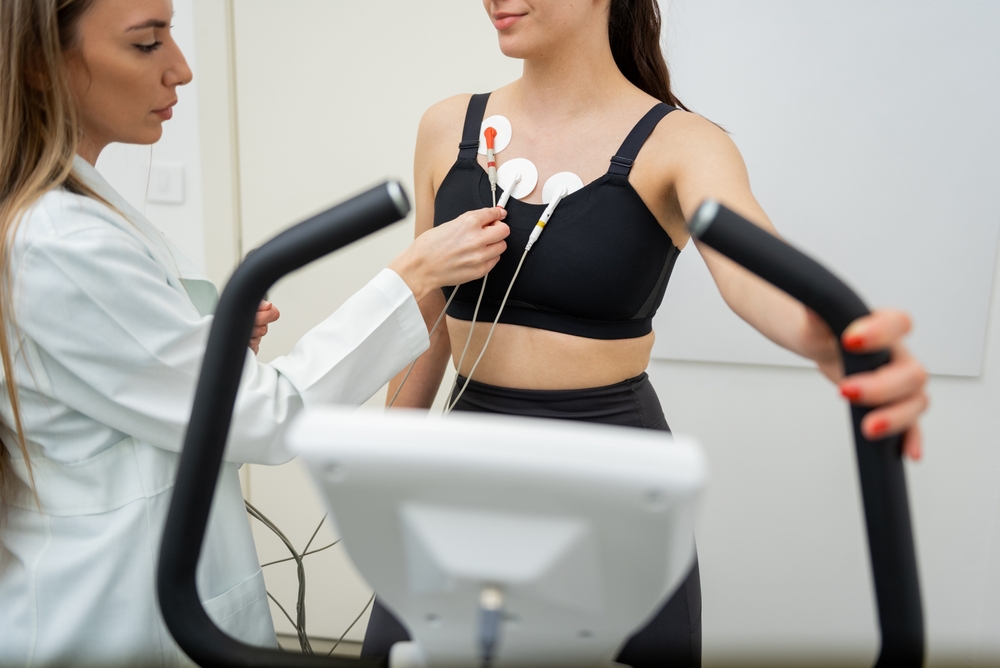
How Cardiovascular and Pulmonary Testing Works Step by Step If you have been referred for cardiovascular and pulmonary testing, it is natural to have questions about what the process involves. Many patients want to understand why these tests are ordered, what happens during the appointment, and how the results are used by healthcare providers. Cardiovascular and pulmonary testing is designed to evaluate how well the heart and lungs function, both at rest and, when appropriate, during physical activity. These evaluations provide objective data that helps clinicians assess symptoms, monitor existing conditions, and support informed medical decisions based on measurable findings rather than symptoms alone. For a general overview of the types of evaluations involved, you can review Cardiovascular & Pulmonary Testing services to better understand how heart and lung diagnostics are typically performed in a medical setting. Knowing how cardiovascular and pulmonary testing works can make the experience feel more manageable and help you prepare appropriately. This guide explains the process step by step, outlines common tests included in a cardiopulmonary evaluation, and describes what typically happens before and after testing. What Is Cardiovascular and Pulmonary Testing? Cardiovascular and pulmonary testing refers to a group of diagnostic evaluations that assess heart and lung performance. These tests measure how effectively the heart circulates blood and how efficiently the lungs move oxygen into the body. You may also hear this referred to as a cardiopulmonary evaluation. This approach looks at both systems together, since heart and lung function are closely connected. When one system is under strain, it can affect the other. Pulmonary function tests are commonly included and measure lung capacity, airflow, and breathing efficiency. According to MedlinePlus, lung function tests are used to evaluate breathing and help determine how well the lungs are working (MedlinePlus – Lung Function Tests). Why Cardiopulmonary Evaluation Is Used A cardiopulmonary evaluation is often ordered when symptoms or medical requirements call for more detailed information than a routine exam can provide. Symptoms such as shortness of breath, chest discomfort, fatigue, or reduced exercise tolerance can have many possible causes. Cardiovascular and pulmonary testing may be used to: Evaluate unexplained breathing or heart-related symptoms Monitor known cardiovascular or pulmonary conditions Assess functional capacity or medical clearance needs Establish baseline measurements for ongoing monitoring Because symptoms alone do not always explain what is happening inside the body, testing helps clinicians make more informed decisions using measurable data. Step-by-Step: How Cardiovascular and Pulmonary Testing Works Step 1: Pre-Test Screening and Check-In Testing typically begins with a check-in process and basic screening. This may include measuring blood pressure, heart rate, and oxygen saturation. You may also be asked about current symptoms, medications, and relevant medical history. This step ensures that the testing plan is appropriate and that safety considerations are addressed before testing begins. Step 2: Medical History Review A clinician reviews your medical background, including prior diagnoses, medications, and the reason for referral. This context is important because test results are interpreted differently depending on individual health factors. For example, exercise tolerance expectations may differ based on age, activity level, and underlying conditions. Step 3: Resting Cardiovascular Testing Many evaluations include a resting electrocardiogram (EKG or ECG). This test records the heart’s electrical activity using sensors placed on the skin. It is non-invasive and helps identify rhythm patterns or other cardiac indicators. The American Heart Association explains that an EKG measures electrical signals in the heart and is commonly used to evaluate heart rhythm and function (American Heart Association – EKG). Step 4: Pulmonary Function Testing Pulmonary testing often includes spirometry, which measures how much air you can inhale and exhale and how quickly air moves through the lungs. This helps assess airflow and breathing mechanics. Cleveland Clinic notes that spirometry is one of the most common pulmonary function tests and is used to evaluate lung performance (Cleveland Clinic – Spirometry). Additional pulmonary function tests may be included depending on clinical needs. Step 5: Exercise or Stress Testing (When Indicated) In some cases, cardiovascular and pulmonary testing includes monitored exercise. This allows clinicians to observe how the heart and lungs respond to physical activity. Cardiopulmonary exercise testing (CPET) measures breathing, heart rhythm, and oxygen use during controlled exercise. Cleveland Clinic describes CPET as a test that evaluates how the heart and lungs work together during physical activity (Cleveland Clinic – CPET). Not all patients require exercise testing. It is ordered based on symptoms, referral purpose, and clinical judgment. Step 6: Recovery and Monitoring After testing, especially exercise-based evaluations, staff monitor recovery to ensure heart rate and breathing return to baseline levels. This is also a time to report any symptoms experienced during testing, which helps with interpretation. Step 7: Physician Review of Results Test results are reviewed by qualified medical professionals. Measurements are interpreted alongside medical history, symptoms, and referral goals. Testing alone does not determine diagnosis or treatment without clinical evaluation. Common Tests Included in Cardiovascular and Pulmonary Testing A cardiopulmonary evaluation may include: Electrocardiogram (EKG) Pulmonary function tests Spirometry Exercise or stress testing MedlinePlus explains that pulmonary function tests are used to measure breathing and lung performance and may include several different test types (MedlinePlus – Pulmonary Function Tests). What These Tests Can Show Cardiovascular and pulmonary testing can help clinicians: Assess breathing efficiency and airflow patterns Identify heart rhythm or exertional response concerns Evaluate functional capacity under controlled conditions Support monitoring or clearance decisions However, results must always be interpreted by a healthcare professional. Testing provides data, not standalone diagnoses. How to Prepare for Cardiovascular and Pulmonary Testing Preparation instructions vary based on the tests ordered. Common guidance may include: Bringing a current medication list Wearing comfortable clothing Following instructions about food, caffeine, or activity If you are unsure about preparation, contacting the testing facility ahead of time can help prevent delays or repeat testing. Minimal Location Context Patients may be referred for cardiovascular and pulmonary testing in Hackensack, NJ when providers need detailed evaluation of heart and lung function for symptoms, monitoring, or

cardiopulmonary testing in Hackensack NJ showing heart and lung monitoring during supervised exercise evaluation

Understanding Cardiovascular and Pulmonary Testing in Hackensack, NJ and When You May Need It

Understanding Cardiovascular and Pulmonary Testing in Hackensack, NJ and When You May Need It Cardiovascular and respiratory health are closely connected, and even subtle changes in either system can affect daily energy, physical endurance, and long-term wellness. For patients seeking clear answers about symptoms such as shortness of breath, fatigue, or reduced exercise tolerance, cardiopulmonary testing in Hackensack NJ provides valuable insight into how the heart and lungs function together. These diagnostic evaluations help identify concerns early and support informed, preventive care decisions. At Advanced Medical & Diagnostics Center, we offer comprehensive diagnostic services designed to evaluate heart and lung performance using evidence-based testing methods. Our team focuses on patient comfort, clinical accuracy, and clear communication so individuals throughout Hackensack and surrounding communities can better understand their cardiopulmonary health and next steps.  What Cardiopulmonary Testing Measures Cardiopulmonary testing evaluates how efficiently the heart, lungs, and circulatory system work together to deliver oxygen throughout the body. Because these systems are interdependent, testing them together often provides more meaningful clinical information than evaluating each organ separately. Cardiopulmonary testing in Hackensack NJ is commonly used for diagnostic clarification, preventive screening, and ongoing monitoring for patients with symptoms or known risk factors. How the Heart and Lungs Work Together The lungs are responsible for oxygen exchange, while the heart circulates oxygen-rich blood to muscles and organs. When either system is under stress, the other must compensate. Cardiopulmonary testing evaluates this interaction under both resting and exertional conditions. This combined approach helps identify whether symptoms originate from cardiovascular strain, respiratory limitation, or a combination of both. Why Combined Evaluation Is Important Some patients experience symptoms only during physical activity, while routine exams appear normal. Cardiopulmonary testing in Hackensack NJ helps uncover exercise-related limitations that may not be evident during rest-based evaluations.  Common Types Of Cardiopulmonary Testing Several diagnostic tools may be used depending on symptoms, medical history, and clinical goals. Each test provides specific data that contributes to a comprehensive assessment. Cardiac Stress Testing Cardiac stress testing evaluates how the heart responds to increasing physical demand. Heart rhythm, blood pressure, and oxygen use are monitored as activity levels rise in a controlled environment. This test is frequently included in cardiopulmonary testing in Hackensack NJ for individuals with chest discomfort, reduced stamina, or cardiovascular risk factors. Pulmonary Function Testing Pulmonary function tests measure lung capacity, airflow, and breathing efficiency. These tests are commonly used to evaluate respiratory symptoms such as chronic cough, wheezing, or unexplained shortness of breath. Pulmonary testing plays a key role when breathing limitations affect daily activities or exercise tolerance. Cardiopulmonary Exercise Testing Cardiopulmonary exercise testing combines heart monitoring, respiratory measurements, and oxygen consumption analysis during controlled exercise. It provides detailed insight into how efficiently the heart and lungs work together under stress. Cardiopulmonary testing in Hackensack NJ using this method is especially helpful for patients with complex or unexplained symptoms. When Cardiopulmonary Testing Is Recommended Not every patient needs cardiopulmonary testing, but certain symptoms and risk factors make evaluation especially valuable. Early testing can help prevent complications and guide timely care. Symptoms That May Indicate A Need For Testing Healthcare providers may recommend cardiopulmonary testing in Hackensack NJ when patients report ongoing or unexplained symptoms such as: Shortness of breath during routine activity Chest pressure or discomfort with exertion Lightheadedness or dizziness Persistent fatigue without a clear cause These symptoms do not always signal serious disease, but testing helps clarify their origin. Risk Factors That Increase The Importance Of Evaluation Patients with a history of heart disease, lung disease, smoking, high blood pressure, or diabetes may benefit from cardiopulmonary testing. Family history and age can also influence testing recommendations. How Cardiopulmonary Testing Supports Preventive Care Preventive healthcare focuses on identifying potential problems before they become advanced or harder to manage. Cardiopulmonary testing in Hackensack NJ supports this approach by providing objective, measurable data. Identifying Early Functional Changes Testing can reveal subtle declines in cardiovascular or respiratory performance before symptoms significantly impact daily life. Early detection allows providers to recommend lifestyle adjustments or further evaluation as needed. Guiding Safe Physical Activity For patients beginning or modifying an exercise routine, cardiopulmonary testing helps define safe activity levels. Understanding physical capacity reduces the risk of overexertion and supports long-term fitness goals.  What To Expect During A Cardiopulmonary Testing Appointment Knowing what happens during testing can help patients feel more comfortable and prepared. Most cardiopulmonary tests are non-invasive and conducted under close supervision. Preparing For Your Appointment Patients may be asked to avoid heavy meals, caffeine, or strenuous activity before testing. Comfortable clothing and appropriate footwear are usually recommended for exercise-based evaluations. Your provider will review medical history and explain the testing process in detail before beginning. During The Testing Process Monitoring equipment tracks heart rhythm, breathing patterns, and oxygen levels throughout the evaluation. Intensity increases gradually and is adjusted based on patient tolerance and safety. Cardiopulmonary testing in Hackensack NJ is performed with continuous monitoring to ensure patient well-being at all times. Understanding Your Cardiopulmonary Test Results After completing testing, patients often want to know what the results mean and how they apply to daily health. Cardiopulmonary testing in Hackensack NJ provides detailed data that helps clinicians evaluate cardiovascular efficiency, lung capacity, and oxygen utilization. Results are reviewed in context with symptoms, medical history, and overall health goals. This ensures findings are interpreted accurately and meaningfully. What Normal Results Typically Indicate Normal test results suggest that the heart and lungs are functioning efficiently during rest and exertion. For many patients, this outcome provides reassurance and helps rule out serious cardiopulmonary conditions as the cause of symptoms. In these cases, providers may explore other contributing factors such as conditioning level, lifestyle habits, or non-cardiopulmonary causes. What Abnormal Results May Reveal Abnormal findings may indicate reduced cardiac output, impaired lung function, or limited oxygen delivery during activity. Cardiopulmonary testing in Hackensack NJ helps identify whether limitations stem from cardiovascular strain, respiratory restriction, or both. These insights guide further evaluation, monitoring, or referral when necessary.  How Cardiopulmonary

Heart and lung testing in Hackensack NJ during a cardiovascular diagnostic stress test

Why Cardiovascular and Pulmonary Testing in Hackensack, NJ Is Essential for Long-Term Health

Why Cardiovascular and Pulmonary Testing in Hackensack, NJ Is Essential for Long-Term Health Long-term health depends heavily on how well the heart and lungs work together to support the body’s daily demands. At Advanced Medical & Diagnostics Center, we provide comprehensive diagnostic evaluations designed to help individuals better understand their cardiovascular and respiratory health before problems escalate. For patients seeking proactive care, heart and lung testing in Hackensack NJ plays a vital role in early detection, prevention, and long-term wellness planning. As people age or experience lifestyle changes, subtle shifts in heart and lung performance can occur without obvious symptoms. Diagnostic testing allows providers to identify these changes early and guide informed decisions that support lasting health. Through accurate, noninvasive evaluations, heart and lung testing in Hackensack NJ helps patients take control of their health with confidence and clarity. The Importance of Early Detection in Cardiovascular and Pulmonary Health Many cardiovascular and respiratory conditions develop gradually. Symptoms often appear only after significant progression, which makes early diagnostic testing essential for prevention. Identifying Subtle Changes Early Minor abnormalities in heart rhythm, blood flow, or lung capacity can signal early-stage conditions. Heart and lung testing in Hackensack NJ helps detect these changes before they interfere with daily activities or lead to more serious complications. According to the Centers for Disease Control and Prevention, early screening and monitoring are key strategies for reducing the long-term impact of heart and lung disease. Preventing Long-Term Complications Untreated heart or lung issues may increase the risk of fatigue, reduced mobility, or chronic disease progression. Diagnostic testing allows healthcare providers to recommend lifestyle adjustments, monitoring plans, or follow-up care tailored to individual needs.  Who Should Consider Cardiovascular and Pulmonary Testing Diagnostic testing is not limited to individuals with existing medical conditions. Many people benefit from evaluations even when they feel generally healthy. Adults With Risk Factors Individuals with a family history of heart disease, high blood pressure, asthma, or respiratory conditions may benefit from baseline testing. Heart and lung testing in Hackensack NJ provides valuable data that supports early intervention and long-term monitoring. People Experiencing Mild or Persistent Symptoms Shortness of breath, chest discomfort, dizziness, or unexplained fatigue should not be ignored. Testing helps determine whether symptoms are related to cardiovascular or pulmonary function or other underlying factors. Patients Focused on Preventive Care Preventive testing supports long-term wellness by identifying risks early. Many patients choose heart and lung testing in Hackensack NJ as part of routine health planning, even without noticeable symptoms. Common Types of Cardiovascular Evaluations Cardiovascular testing includes several noninvasive procedures that assess how the heart performs under different conditions. Electrocardiograms And Heart Rhythm Monitoring Electrocardiograms record electrical activity to detect irregular heart rhythms or signs of strain. These tests are quick and provide valuable insight into cardiac function. Exercise Stress Testing Stress testing evaluates how the heart responds to physical exertion. This assessment helps identify circulation issues that may not appear during rest and is often used as part of heart and lung testing in Hackensack NJ. Common Types of Pulmonary Evaluations Pulmonary testing focuses on lung performance, airflow, and oxygen exchange. These assessments are essential for understanding respiratory efficiency. Pulmonary Function Testing Pulmonary function tests measure lung capacity and airflow to evaluate conditions such as asthma or chronic respiratory issues. Results help providers understand how effectively the lungs support oxygen delivery. Oxygen Saturation And Breathing Efficiency Monitoring oxygen levels during activity or rest helps identify limitations in respiratory performance. When combined with cardiovascular evaluations, these tests offer a comprehensive view of cardiopulmonary health. How Diagnostic Testing Supports Personalized Care Test results allow healthcare providers to move beyond assumptions and create care plans based on objective data. Tailoring Health Recommendations Diagnostic findings guide recommendations related to physical activity, monitoring frequency, and lifestyle adjustments. Heart and lung testing in Hackensack NJ ensures that care decisions are personalized rather than generalized. Establishing A Long-Term Health Baseline Baseline results provide a reference point for future evaluations. Over time, repeat testing helps track changes and assess the effectiveness of preventive strategies. Why Diagnostic Accuracy Matters for Long-Term Outcomes Accurate diagnostic data is the foundation of effective healthcare planning. When cardiovascular and respiratory evaluations are performed with precision, providers gain clearer insight into how the body responds to both rest and activity. Heart and lung testing in Hackensack NJ supports long-term outcomes by reducing uncertainty. Clear results help guide appropriate next steps, whether that involves monitoring, lifestyle adjustments, or coordination with other medical providers. The Role of Testing in Managing Chronic Conditions For individuals managing chronic health concerns, diagnostic testing offers ongoing insight rather than one-time answers. Many heart and lung conditions require periodic evaluation to assess stability and progression. Monitoring Changes Over Time Repeat testing allows providers to compare results against established baselines. Small changes in performance can be identified early, helping prevent setbacks and support consistency in care planning. Heart and lung testing in Hackensack NJ is often used to monitor conditions such as high blood pressure, asthma, or reduced exercise tolerance. Supporting Safer Activity Levels Understanding cardiopulmonary limits helps individuals engage in physical activity more safely. Testing results can guide appropriate exercise intensity and reduce the risk of overexertion.  How Lifestyle Factors Influence Heart and Lung Performance Daily habits have a direct impact on cardiovascular and respiratory health. Diagnostic testing helps connect lifestyle factors with measurable outcomes. Physical Activity And Endurance Regular movement supports circulation and lung efficiency, but underlying limitations may not be obvious without testing. Heart and lung testing in Hackensack NJ helps determine how the body responds to exertion and recovery. Stress, Sleep, And Overall Wellness Chronic stress and poor sleep patterns can affect heart rhythm and breathing efficiency. Diagnostic evaluations help providers assess whether these factors may be contributing to reduced performance or fatigue. The Value of Local Diagnostic Care in Hackensack, NJ Receiving care close to home supports continuity, accessibility, and follow-through. Local diagnostic centers understand regional patient needs and coordinate care efficiently. At Advanced Medical & Diagnostics Center, patients

Man undergoing supervised cardio testing in Wayne NJ during a clinical heart health evaluation

High Stakes: Cardio Testing for Emergency Personnel in Wayne, NJ

High Stakes: Cardio Testing for Emergency Personnel in Wayne, NJ Emergency personnel face some of the toughest physical and psychological demands in the workforce today, and their ability to respond rapidly under pressure often depends on strong cardiovascular health. At Advanced Medical & Diagnostic Center, supporting the readiness and long term wellness of first responders is a core part of the mission. As more departments recognize the connection between performance and heart health, many are turning to structured cardio testing in Wayne NJ to help ensure their teams remain safe, capable, and prepared for any situation. Cardiovascular assessments play a crucial role in detecting early risks, improving fitness levels, and helping agencies build healthier, more resilient workforces. For emergency workers who operate in unpredictable environments, these evaluations provide insight into how the body responds to strain and help determine whether additional medical follow up or conditioning is necessary. The growing interest in cardio testing in Wayne NJ reflects how important preventive care has become for those who serve on the front lines.  Why Cardiovascular Readiness Matters for First Responders Emergency personnel operate in environments where physical output must increase instantly. Firefighters may transition from resting heart rates to peak exertion in seconds. Police officers often experience sudden surges of adrenaline that impact blood pressure, breathing, and cardiac workload. EMS teams frequently lift heavy equipment or patients while working in confined or hazardous spaces. These real world demands highlight why many agencies invest in cardio testing in Wayne NJ, using evaluations to help identify risks early and maintain the high level of performance the job requires. Studies show that emergency responders experience elevated rates of cardiovascular events due to the combination of occupational stress, irregular sleep schedules, and high intensity activity (American Heart Association, 2024). Without proper screening, underlying conditions may go unnoticed until they trigger severe complications. For this reason, a structured cardiac testing program provides measurable benefits for both individual responders and entire departments.  How Emergency Work Impacts the Heart The cardiovascular strain of emergency work differs significantly from typical physical activity. Responders may alternate between long periods of inactivity and sudden bursts of demanding labor. This stop and start pattern places intense pressure on the heart and circulatory system. Over time, factors such as heat exposure, emotional stress, heavy lifting, and unpredictable physical workloads can increase the risk of hypertension, arrhythmias, or coronary artery disease. These occupational challenges are why comprehensive evaluations such as cardio testing in Wayne NJ are becoming more widely implemented. By understanding each responder’s baseline and peak capacity, medical teams can make more informed recommendations about conditioning, recovery, and overall wellness.  What Cardio Testing Typically Includes Cardio testing encompasses several types of assessments designed to evaluate heart function, endurance, and physiological responses. Depending on department needs, a testing protocol may be tailored to specific job roles or fitness standards. Stress Testing A cardiovascular stress test measures how the heart performs during graded physical activity. Most responders walk or jog on a treadmill while clinicians monitor heart rate, blood pressure, and rhythm. According to the Mayo Clinic, stress testing is one of the most effective tools for identifying coronary artery disease and irregular heart rhythms in a controlled environment (Mayo Clinic, 2024). Many Wayne area departments rely on cardio testing in Wayne NJ to support early detection and timely intervention. VO2 Max and Endurance Evaluations VO2 max testing helps determine aerobic capacity, which is essential for long duration emergencies such as structure fires or prolonged medical calls. When first responders understand their endurance levels, they can adjust training and conditioning programs to improve performance. Agencies that incorporate cardio testing in Wayne NJ often use these assessments to measure annual fitness benchmarks. Resting Heart Health Screening Resting evaluations may include blood pressure assessments, electrocardiograms, cholesterol measurements, and metabolic indicators. These screenings help uncover silent risk factors that may not appear during physical exertion but can influence long term cardiovascular health. Functional and Occupational Readiness Testing Some departments request functional tests that simulate real world movements such as stair climbing, lifting, or sustained walking. These targeted measures provide insight into whether individuals can meet job demands safely and efficiently. Together, these assessments create a comprehensive profile of a responder’s cardiovascular health and help clinicians determine whether additional testing or medical clearance is necessary.  Why Departments Are Prioritizing Cardio Testing Emergency agencies in Wayne are increasingly recognizing the value of consistent evaluations. For many departments, cardio testing in Wayne NJ has become a central component of their wellness and safety programs, offering benefits that extend far beyond traditional physical exams. Reducing On Duty Medical Emergencies One of the leading causes of line of duty deaths, particularly among firefighters, is sudden cardiac events (National Fire Protection Association, 2023). Early testing helps detect risk factors before they escalate into medical emergencies. Enhancing Physical Performance and Stamina Testing results provide responders with actionable data to improve conditioning. When individuals understand their heart’s limitations and strengths, they can tailor workouts to enhance efficiency and endurance. Improving Team Readiness A department is only as strong as its personnel. By prioritizing cardio testing in Wayne NJ, leadership ensures that teams remain capable of meeting physical demands consistently. This supports operational strength, reduces downtime, and helps maintain high performance levels. Supporting Mental Confidence and Overall Wellness Knowing that one’s cardiovascular health has been professionally evaluated boosts confidence. Responders who feel physically prepared are better equipped to manage job stress and maintain emotional resilience. Who Benefits Most From Comprehensive Cardio Testing While all emergency personnel face cardiovascular risks, certain job categories experience higher levels of physical strain, emotional stress, and unpredictable workloads. Understanding these differences helps departments tailor assessments and wellness programs more effectively. Many organizations use cardio testing in Wayne NJ as part of a broader approach to protecting the health of their workforce. Firefighters Firefighters often carry heavy gear, work in extreme heat, and perform strenuous tasks such as climbing ladders, ventilating structures, or advancing hose lines. These activities require a strong cardiovascular

Man undergoing cardiopulmonary exercise exam during cardiovascular testing in Hackensack NJ

Why Cardiovascular and Pulmonary Testing Matters for Police, Fire, and EMS in Hackensack, NJ

Why Cardiovascular and Pulmonary Testing Matters for Police, Fire, and EMS in Hackensack, NJ First responders face some of the most physically demanding work environments in the country, which is why many departments throughout the region turn to Advanced Medical & Diagnostics Center for detailed cardiovascular and pulmonary evaluations. Police officers, firefighters, and EMS professionals endure unpredictable physical stress, long work hours, and high-intensity situations that test the limits of their heart and lung capacity. As these demands continue to increase, the need for structured health assessments has become essential for ensuring the safety, performance, and longevity of New Jersey’s emergency personnel. In this comprehensive guide, we explore why cardiovascular testing in Hackensack NJ matters, how it supports front-line workers, and what every department should understand about maintaining long-term health in the field. Strong cardiopulmonary function is not simply recommended for public safety professionals; it is a foundational requirement for performing the duties expected of them. Whether they are climbing multiple flights of stairs, carrying heavy protective gear, pursuing suspects, or responding to medical emergencies, their bodies must react quickly and efficiently under extreme pressure. The clinicians at Advanced Medical & Diagnostics Center specialize in evaluating these exact challenges, ensuring that every responder receives evidence-based assessments that align with their occupational needs. This introduction sets the stage for why comprehensive testing is becoming a standard expectation across law enforcement, fire services, and emergency medical teams.  Why Heart and Lung Health Should Be a Priority for First Responders The Impact of Physical Stress in Emergency WorkEmergency responders operate under conditions that consistently elevate cardiovascular strain. Police officers may transition from a stationary patrol to a sprint without warning. Firefighters lift hoses, climb ladders, and work inside extremely hot environments that place immense demand on the heart and lungs. EMS workers carry patients, handle heavy equipment, and perform medical procedures while maintaining rapid situational awareness. These high-stress moments are precisely why cardiovascular testing in Hackensack NJ is widely recommended among agencies that want to monitor health risks before they lead to more serious complications. Studies from the American Heart Association show that sudden cardiac events are a leading cause of line-of-duty deaths among firefighters and a significant risk for law enforcement professionals as well (American Heart Association, 2023). Medical literature also highlights that underlying cardiovascular conditions often remain undetected until they are triggered by intense physical activity. Regular monitoring provides early insight into potential problems and creates opportunities for intervention long before symptoms escalate.  Understanding Respiratory Challenges Unique to Each FieldWhile all responders depend on strong lung function, each discipline encounters different environmental exposures. Firefighters, for instance, face smoke, particulate matter, chemical fumes, and extreme heat. Over time, these exposures may reduce lung capacity or contribute to chronic respiratory issues if not identified early. Cardiovascular testing in Hackensack NJ often includes pulmonary function evaluations to determine how well the lungs expand and process oxygen in stressful environments. Police officers and EMS personnel may not face the same airborne irritants as firefighters, but they still rely heavily on optimal breathing performance for endurance, cognitive clarity, and rapid decision-making. Even mild respiratory impairments can compromise effectiveness in the field. What Cardiovascular Testing Actually Measures Evaluating Heart Rate, Blood Flow, and CirculationCardiovascular assessments are designed to measure how the heart performs during rest and under physical strain. Many of the evaluations used during cardiovascular testing in Hackensack NJ include treadmill or cycle-based protocols that gradually increase intensity. These tests track heart rate, blood flow efficiency, blood pressure patterns, and electrical activity to determine whether the heart responds appropriately to stress. A key goal is to identify abnormalities that may not appear during routine check-ups. For example, arrhythmias, reduced cardiac output, or delayed recovery rates may become apparent only during structured exercise evaluations. When detected early, they can be managed safely through medical guidance and lifestyle modifications. Measuring Oxygen Consumption and EnduranceA significant component of these assessments includes VO2 max testing, which calculates how efficiently the body utilizes oxygen during exertion. This metric is a strong predictor of cardiovascular resilience. High aerobic capacity helps first responders perform longer, recover faster, and remain mentally sharp throughout demanding tasks. When first responders participate in cardiovascular testing in Hackensack NJ, clinicians analyze how well their heart, lungs, and muscles work together to sustain energy output. Identifying Thresholds of Physical CapabilityEvery individual has personal limits based on age, conditioning, and overall health. Testing helps define these boundaries to prevent unnecessary strain or injury. For example, a firefighter with excellent strength but reduced endurance may struggle during prolonged rescues or ventilation operations. Cardiovascular testing in Hackensack NJ helps pinpoint these discrepancies and provides actionable insights for training improvements. The Role of Pulmonary Function Testing in First Responder Safety Why Lung Capacity Matters in High-Stress OperationsPulmonary function tests evaluate airflow strength, lung volume, and the ability to move oxygen efficiently into the bloodstream. For firefighters, even minor reductions in lung capacity can affect performance while wearing heavy protective gear or working inside smoke-filled structures. For police and EMS professionals, pulmonary efficiency supports decision-making, stamina, and the ability to stay alert during long shifts. Testing often includes spirometry, diffusion capacity evaluations, and respiratory resistance measurements. Combined with cardiovascular testing in Hackensack NJ, these assessments give agencies a complete picture of how well responders can handle real-world physical demands. Detecting Respiratory Conditions Before They Become DebilitatingMany respiratory issues develop slowly. Asthma, chronic bronchitis, airway inflammation, or smoke-related irritation may not be easily noticeable in early stages. Catching these concerns early allows responders to take corrective steps, receive treatment, or adjust workload expectations based on medical guidance. These proactive measures reduce long-term risks and help maintain career longevity.  How First Responders Benefit From Combined Cardiopulmonary Testing A Holistic View of Physical ReadinessWhen both cardiovascular and pulmonary results are evaluated together, departments gain a detailed understanding of their team’s operational capabilities. This holistic approach is one of the reasons many agencies request cardiovascular testing in Hackensack NJ on an annual or biannual schedule. The information

cardiopulmonary evaluation in Wayne NJ for early heart and lung detection

Top 5 Signs You Should Schedule a Cardiopulmonary Evaluation in Wayne, NJ

Top 5 Signs You Should Schedule a Cardiopulmonary Evaluation in Wayne NJ A cardiopulmonary evaluation in Wayne NJ is one of the most effective ways to assess how well your heart and lungs work together.  At Advanced Medical & Diagnostic Center, our Wayne office specializes in helping first responders, police officers, firefighters, EMS personnel, municipal employees, and families identify early warning signs before small issues become serious. Understanding What a Cardiopulmonary Evaluation Is A cardiopulmonary evaluation measures how efficiently your heart and lungs supply oxygen throughout the body. It’s a diagnostic test that tracks breathing rate, heart rate, and oxygen use during rest and exercise. Unlike a basic physical, a cardiopulmonary evaluation in Wayne NJ provides a complete picture of how your cardiovascular and respiratory systems perform together. It helps identify whether fatigue, chest discomfort, or shortness of breath comes from heart strain, poor lung function, or muscular limitations (Cleveland Clinic, 2023). This evaluation is also valuable for detecting early signs of pulmonary conditions, heart disease, or declining exercise tolerance. For first responders, it’s a critical preventive measure to maintain readiness and wellness on the job. Why Cardiopulmonary Health Matters Your heart and lungs are deeply connected. When one system weakens, the other must work harder. Over time, this imbalance can cause shortness of breath, fatigue, and decreased performance, even in healthy, active individuals. For firefighters, police, and EMS workers, cardiopulmonary health is often under constant strain. Long hours, stress, smoke exposure, and unpredictable workloads can all take a toll. Studies have shown that low cardiorespiratory fitness is strongly associated with higher risks of cardiovascular disease and mortality (American Heart Association, 2016). Testing early helps detect subtle inefficiencies before they become life-threatening. 1. You Feel Short of Breath During Normal Activity Shortness of breath during everyday tasks is one of the clearest signals that it may be time for a cardiopulmonary evaluation in Wayne NJ. This symptom may come from poor lung expansion, airway obstruction, or cardiovascular stress. People often mistake this for being “out of shape,” but when shortness of breath appears suddenly or worsens over time, it’s worth investigating. Advanced testing measures oxygen exchange and breathing efficiency to determine the true cause. For first responders, smoke exposure, pollutants, and repetitive high-intensity work increase the risk of respiratory strain making early testing especially valuable. 2. You Experience Frequent Fatigue or Dizziness If you feel tired after light exercise or everyday movement, your body may not be using oxygen efficiently. Fatigue or dizziness after minimal exertion can signal reduced blood flow or impaired lung capacity. A cardiopulmonary evaluation in Wayne NJ pinpoints how well your body transports oxygen. Once clinicians understand your heart and lung efficiency, they can recommend targeted interventions like training adjustments or medications to restore stamina and focus. For municipal employees, this evaluation can be the difference between ongoing fatigue and feeling fully energized throughout the workday. 3. You Notice Chest Tightness or Pressure During Exercise Chest tightness or mild pain during activity should always be evaluated. While it doesn’t always mean a heart attack, it may indicate restricted blood flow, poor oxygen use, or heart-related stress. During a cardiopulmonary evaluation in Wayne NJ, our specialists analyze your breathing patterns, heart rhythms, and recovery response to identify whether discomfort originates in the heart, lungs, or muscles. Early detection allows for timely treatment and lifestyle changes that may prevent more serious conditions later on. 4. You’re Recovering from a Respiratory Illness or COVID-19 Many patients who recover from respiratory infections notice lingering symptoms like breathlessness or reduced stamina. Even mild cases of COVID-19 can temporarily affect oxygen transfer and heart function. A cardiopulmonary evaluation in Wayne NJ can help assess post-infection recovery by measuring lung capacity, oxygen efficiency, and cardiovascular strength. For first responders who need to return to physically demanding roles, this test ensures they’ve regained full breathing and endurance capacity before resuming strenuous activity. 5. You’re Preparing for a Fitness or Return-to-Duty Assessment Annual fitness evaluations are common for police, fire, and EMS professionals. Scheduling a cardiopulmonary evaluation in Wayne NJ before these assessments can give you a competitive edge. By understanding how your body performs under exertion, you can train smarter and reduce injury risk. The data collected during this test helps fine-tune your exercise program to match your body’s unique capabilities and oxygen needs. How a Cardiopulmonary Evaluation Works at Advanced Medical & Diagnostic Center At Advanced Medical & Diagnostic Center, your cardiopulmonary evaluation in Wayne NJ follows a straightforward, comfortable process designed for accuracy and safety. Consultation: We review your medical history and current symptoms. Baseline Testing: We record your resting vitals, including heart rate, blood pressure, and oxygen saturation. Exercise Phase: You perform light activity while breathing into a mouthpiece connected to sensors that analyze your respiratory and cardiac responses. Cool-Down and Review: After the test, our specialists analyze your data and explain the results clearly. Each step is closely monitored by trained professionals to ensure your safety and comfort.Learn more on our Cardiovascular and Pulmonary Testing page. Benefits of Getting Tested Early Scheduling a cardiopulmonary evaluation in Wayne NJ is about optimizing your health and preventing future problems. Key benefits include: Early detection of heart or lung disease Improved endurance and energy levels Personalized exercise recommendations Faster recovery after illness or injury Confidence in your long-term health plan Proactive testing helps ensure that small warning signs don’t turn into major health concerns later. What to Expect Before and After the Test To get the most accurate results from your cardiopulmonary evaluation in Wayne NJ: Avoid caffeine, nicotine, and heavy meals before testing. Wear breathable, comfortable clothing. Bring a list of current medications or supplements. Stay hydrated but avoid large meals right before the appointment. After the evaluation, your clinician will review results and explain what they mean. You’ll receive a summary report with practical steps to strengthen your heart and lungs through lifestyle adjustments, nutrition, or medical care if needed. Signs You Shouldn’t Ignore Shortness of breath, dizziness, fatigue, or

Breath better with cardiopulmonary testing in Hackensack NJ

How Advanced Cardiopulmonary Testing in Hackensack, NJ Can Help You Breathe Better This Fall

How Advanced Cardiopulmonary Testing in Hackensack NJ Can Help You Breathe Better This Fall Cardiopulmonary testing in Hackensack NJ is one of the most effective ways to evaluate your heart and lung health, especially before the colder months set in. At Advanced Medical & Diagnostic Center, our Hackensack location offers this advanced test to help first responders, police officers, firefighters, EMS personnel, and their families maintain peak performance and long-term wellness. By understanding how your heart and lungs work together, this test can uncover potential problems early and help you breathe easier throughout the year. Understanding Advanced Cardiopulmonary Testing Cardiopulmonary testing measures how efficiently your heart and lungs deliver oxygen throughout your body. It provides valuable information about how well these two systems perform during both rest and exercise. Unlike a routine exam, cardiopulmonary testing in Hackensack NJ gives detailed insights into how your body responds to physical activity. It helps detect early signs of conditions such as asthma, pulmonary hypertension, or reduced cardiac function. When one part of this system weakens, the other compensates, creating strain that may lead to fatigue, shortness of breath, or dizziness. Identifying these early signs helps prevent more serious issues from developing. During your test, you will exercise on a treadmill or stationary bike while breathing into a device that records oxygen and carbon dioxide levels. The evaluation includes measurements such as: Oxygen consumption (VO₂ max) Breathing rate and heart rate Blood pressure response Recovery time These readings offer a detailed picture of how well your cardiovascular and respiratory systems perform. It is a simple, noninvasive test that provides powerful insights into your overall health. Why First Responders Benefit the Most First responders face daily stress and physical challenges that can affect heart and lung health over time. Firefighters are exposed to smoke and particulates, police officers face ongoing stress, and EMS teams often work long hours with disrupted sleep. Cardiopulmonary testing in Hackensack NJ helps detect problems that may develop from these occupational risks. Research has shown that coronary heart disease accounts for nearly half of on-duty firefighter deaths. Early detection and prevention can make a critical difference. This testing benefits anyone who wants to improve health and performance. It offers: Early detection of cardiovascular or respiratory issues Improved stamina and endurance Personalized fitness recommendations Better management of asthma or COPD Greater confidence in overall health For first responders and their families, cardiopulmonary testing in Hackensack NJ provides reassurance and insight into how well their bodies handle stress and exertion. How the Process Works at Our Hackensack NJ Center At Advanced Medical & Diagnostic Center, we use state-of-the-art diagnostic equipment that ensures accuracy and comfort. A typical session lasts between 30 and 60 minutes and includes: Consultation – Review of medical history, lifestyle, and symptoms. Baseline Measurements – Resting heart rate, blood pressure, and oxygen levels are recorded. Exercise Phase – You will perform light physical activity while we monitor your breathing and heart performance. Cool Down and Review – Our specialists evaluate your data and explain your results clearly. Every test is customized to your needs and physical condition. You can learn more about our Cardiovascular and Pulmonary Testing services by visiting our clinic website. Who Should Consider Testing While cardiopulmonary testing in Hackensack NJ is particularly valuable for first responders, it can also benefit: People who experience unexplained shortness of breath or fatigue Patients recovering from respiratory infections or COVID-19 Athletes looking to improve endurance Adults with a history of smoking or environmental exposure Individuals managing heart or lung conditions The test helps identify why you may feel tired or have difficulty breathing, allowing for a more accurate and personalized health plan. At Advanced Medical & Diagnostic Center, cardiopulmonary testing is part of our broader approach to preventive care. Depending on your health needs, it may be combined with: Bloodwork and metabolic screening Cardiac risk assessments Hormone evaluations such as Testosterone Replacement Therapy Nutrition and exercise counseling Together, these services help you maintain stronger heart and lung function and improve your quality of life. Signs You May Need Cardiopulmonary Testing It can be difficult to know when to consider this type of evaluation. You may benefit from cardiopulmonary testing in Hackensack NJ if you experience: Frequent shortness of breath or wheezing Chest tightness or dizziness during light activity Persistent fatigue even after rest Slow recovery after respiratory infections Decline in exercise performance These symptoms can signal early cardiovascular or pulmonary strain. Getting tested early helps you address concerns before they become serious. The results also help track recovery, optimize training, and measure how lifestyle changes affect your health. For first responders, it is a key part of maintaining fitness and readiness for duty. How Fall Weather Impacts Heart and Lung Health As temperatures drop, the air becomes cooler and drier, and pollen levels fluctuate. These seasonal changes can cause coughing, congestion, or shortness of breath in people with asthma, allergies, or heart disease. Cardiopulmonary testing in Hackensack NJ helps determine whether these symptoms are caused by environmental triggers or underlying health issues. Once identified, your care team can create a plan to manage your breathing and protect your lungs through the colder months. How to Prepare for Your Test To ensure accurate results, follow these simple tips before your appointment: Avoid caffeine, nicotine, and heavy meals for several hours before testing Wear comfortable, breathable clothing Stay hydrated before and after the procedure Bring a list of your current medications Inform your clinician about recent illnesses or symptoms Following these steps helps ensure that your test results reflect your true heart and lung performance. Understanding Your Results After the test, your specialist will review a detailed report that includes: VO₂ Efficiency – How well your body uses oxygen Cardiac Output – How effectively your heart pumps blood Ventilatory Threshold – When breathing becomes more difficult during activity Risk Markers – Indicators of early cardiac or respiratory conditions These findings allow your provider to develop a personalized plan that improves breathing, stamina,