Can Low Testosterone Cause Weight Gain in Men?
- Advanced Medical & Diagnostic Center
- July 5, 2026
- 10 min read
Testosterone Replacement Therapy
Table of Contents
- 1. The Connection Between Hormones and Body Weight
- 2. How Low Testosterone Weight Gain Actually Happens
- 3. Why Belly Fat Is the Most Common Sign
- 4. The Cycle That Makes It Harder to Lose Weight
- 5. Other Symptoms That Often Appear Alongside Weight Gain
- 6. How a Hormone Evaluation Can Identify the Root Cause
- 7. Frequently Asked Questions
- 8. Getting Clear on What Is Driving Your Weight Gain
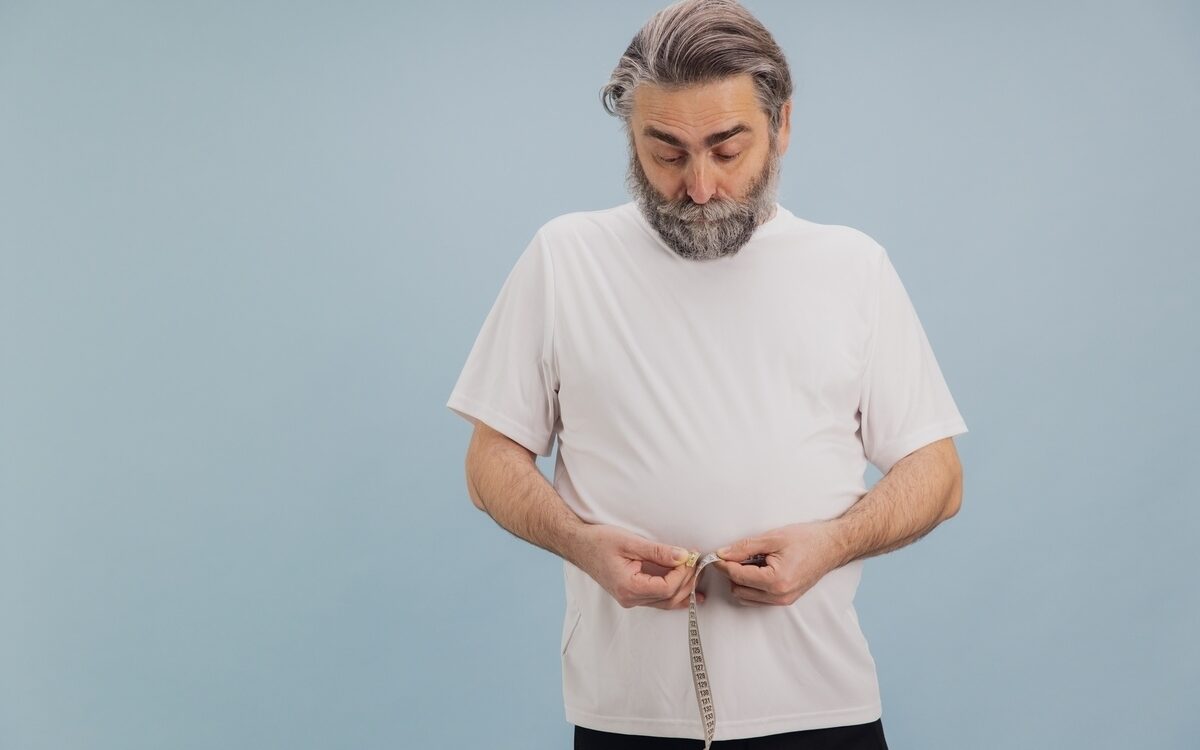
Many men find themselves gaining weight despite no major changes to their diet or activity level. They cut calories, stay consistent at the gym, and the scale barely moves. What often goes unexamined in these situations is whether a hormonal shift is working against them. Low testosterone weight gain is a well-documented clinical phenomenon, and for men over 30, it is one of the most commonly overlooked reasons why body composition changes in ways that feel impossible to reverse through effort alone.
Testosterone controls how the body builds and preserves muscle, how efficiently the metabolism burns energy, and where fat is stored when caloric balance shifts. When levels drop below the clinical threshold, low testosterone weight gain becomes a predictable metabolic outcome rather than a mystery. The testosterone replacement therapy service page provides a clinical overview of what evaluation and treatment involve for men who want to understand their options.
1. The Connection Between Hormones and Body Weight
Testosterone is a metabolic hormone as much as it is a reproductive one. It plays a direct role in maintaining lean muscle mass, regulating fat storage, supporting insulin sensitivity, and keeping resting metabolic rate at a level that allows the body to manage energy efficiently.
When testosterone levels fall below the normal clinical range, which the medical community generally defines as below 300 nanograms per deciliter in adult men, the metabolic consequences begin to accumulate. According to the Cleveland Clinic, symptoms of low testosterone include increased body fat alongside reduced muscle mass, fatigue, and changes in mood and cognitive function.
These changes develop gradually over months and sometimes years. This is why many men attribute their shifting body composition to aging or stress rather than to a measurable hormonal deficit. Recognizing the hormonal connection is the first step toward addressing the actual cause.
2. How Low Testosterone Weight Gain Actually Happens
The biological pathway from low testosterone to weight gain involves several interconnected mechanisms. Understanding them explains why standard dietary adjustments often produce limited results when a hormonal deficit is the primary driver.
Reduced Muscle Mass and a Slower Resting Metabolism
Testosterone is an anabolic hormone, meaning it supports the building and preservation of muscle tissue. When levels decline, the body loses its primary signal for maintaining lean mass. As muscle mass decreases, the body’s resting metabolic rate drops. Fewer calories are burned throughout the day even with the same level of physical activity.
Impaired Fat Metabolism
Testosterone plays a direct role in regulating how the body handles stored fat. Low testosterone is associated with reduced lipolysis, the process by which the body breaks down stored fat for energy. When lipolysis is impaired, fat that would otherwise be mobilized and burned tends to remain in storage and accumulate over time.
Changes in Insulin Sensitivity
Low testosterone weight gain is closely linked to declining insulin sensitivity. When the body becomes less responsive to insulin, glucose management becomes less efficient. This promotes fat storage and makes it harder to use carbohydrates for energy effectively.
The Role of Sex Hormone Binding Globulin
Sex hormone binding globulin, commonly referred to as SHBG, is a protein that binds to testosterone in the bloodstream and makes it unavailable for use by the body’s tissues. As men age, SHBG levels tend to rise, which reduces the amount of free testosterone available even when total testosterone measurements appear borderline normal.
Men with elevated SHBG and lower free testosterone can experience all the metabolic effects of low testosterone weight gain despite total testosterone readings that fall within a technically normal range. This is why comprehensive hormone panels measure both total and free testosterone rather than relying on a single number.
Increased Cortisol Relative to Testosterone
In men with low testosterone, the hormonal balance between testosterone and cortisol shifts. Elevated cortisol promotes visceral fat accumulation, particularly in the abdominal region. It also further suppresses testosterone production, creating a compounding effect that makes the problem progressively harder to reverse without clinical intervention.
3. Why Belly Fat Is the Most Common Sign
Visceral fat, the type stored deep in the abdominal cavity around the internal organs, is the form of fat most directly associated with low testosterone in men. This is not cosmetic fat just beneath the skin. Visceral fat is metabolically active and is linked to increased cardiovascular risk, insulin resistance, and systemic inflammation.
According to the Mayo Clinic, testosterone therapy may help address body composition changes including increased body fat in men with clinically confirmed low levels, particularly when treatment is properly supervised by a qualified physician.
The relationship between visceral fat and low testosterone weight gain is bidirectional, which is what makes it particularly difficult to manage without addressing the hormonal component:
- Low testosterone promotes visceral fat accumulation throughout the abdominal region
- Visceral fat contains an enzyme called aromatase that converts testosterone into estrogen
- Elevated estrogen relative to testosterone further suppresses testosterone production
- Lower testosterone allows more visceral fat to accumulate, restarting the cycle
This cycle repeats and compounds over time. It explains why belly fat in men with hormonal deficits is often resistant to the interventions that would normally reduce it.
4. The Cycle That Makes It Harder to Lose Weight
One of the reasons low testosterone weight gain is so frustrating for men who are actively trying to manage their weight is that the hormonal deficit undermines the very behaviors that should produce results.
Exercise produces less muscle response
Testosterone is required for the anabolic response to resistance training. Men with low testosterone who lift weights do not gain muscle at the same rate as men with normal levels.
Less muscle gain means less metabolic benefit from training over time. This limits the long-term effectiveness of even a consistent exercise program when the hormonal environment is not supporting recovery and growth.
Fatigue reduces activity levels
Low testosterone is consistently associated with reduced energy and increased fatigue. When energy is chronically low, the intensity and frequency of physical activity tend to decline gradually, even in men who are motivated to stay active.
This reduction in activity compounds the metabolic effects of lower muscle mass. It creates a pattern that is difficult to break without addressing the hormonal root cause directly.
Sleep disruption worsens hormonal balance
Low testosterone is associated with disrupted sleep quality. Poor sleep independently elevates cortisol levels while further suppressing testosterone production.
This creates an additional layer of hormonal disruption that makes weight management harder regardless of how carefully a man manages his dietary choices throughout the day.
Mood changes reduce consistency
According to the Endocrine Society, testosterone deficiency is associated with mood disturbances including reduced motivation and mild depressive symptoms. These psychological effects reduce the consistency with which men stick to diet and exercise routines.
Less consistency means fewer cumulative results, which can create a discouraging pattern that reinforces the perception that weight loss is simply not achievable.
5. Other Symptoms That Often Appear Alongside Weight Gain
Low testosterone rarely presents as a single isolated symptom. Most men experiencing low testosterone weight gain will notice additional changes occurring at the same time, even if they are not immediately connecting them to a common hormonal cause.
Symptoms that commonly accompany unexplained weight changes in men with low testosterone include:
- Persistent fatigue that does not improve with adequate sleep or rest, leaving men feeling depleted even after a full night of recovery
- Reduced strength and difficulty maintaining muscle mass despite regular resistance training and consistent effort in the gym
- Decreased libido and changes in sexual function that develop gradually and are often initially attributed to stress or aging
- Mood changes including irritability, low motivation, and a flattened sense of drive that affects both personal and professional life
- Difficulty concentrating or staying mentally sharp during cognitively demanding tasks, sometimes described as brain fog
- Reduced bone density, which may not produce obvious symptoms in the early stages but increases fracture risk over time
- Increased sensitivity to cold and subtle changes in body temperature regulation that men often do not connect to hormonal changes
The presence of multiple symptoms alongside unexplained weight gain is a meaningful clinical signal. Several appearing together, particularly in men over 30 with no major lifestyle changes, represents a pattern that warrants hormonal evaluation through proper blood testing rather than continued adjustment of diet and exercise variables alone.
6. How a Hormone Evaluation Can Identify the Root Cause
The only way to confirm whether low testosterone is driving weight gain is through laboratory testing. Symptoms alone are not sufficient for a diagnosis because many conditions share overlapping presentations. A comprehensive hormone panel measures total testosterone, free testosterone, SHBG, and related markers that give a complete clinical picture.
Understanding what to expect from treatment over time is a useful part of the evaluation process. The guide on how long testosterone replacement therapy takes to work explains the timeline of changes men typically experience, from early improvements in energy and mood to longer-term body composition shifts.
Early morning testing is the clinical standard because testosterone levels peak in the morning and follow a natural diurnal rhythm. Most clinical guidelines recommend at least two early morning tests showing consistently low levels before treatment is considered. A single result below the threshold is not always sufficient for diagnosis on its own.
7. Frequently Asked Questions
Yes. This is one of the most clinically significant aspects of low testosterone weight gain. When the hormonal deficit is present, the metabolic mechanisms that allow diet and exercise to produce results are impaired.
Reduced muscle mass lowers resting calorie burn, and impaired fat metabolism limits how efficiently stored fat is used for energy. These effects can persist regardless of how disciplined a man is with his nutrition and training, which is why unexplained weight gain despite healthy habits is a recognized clinical indicator worth investigating.
There is no universal number because the degree of weight gain depends on the severity of the hormonal deficit, how long it has been present, and individual factors like baseline muscle mass, diet, and activity level. What is more consistent is the pattern of gain, specifically the accumulation of visceral fat around the midsection that resists conventional weight loss strategies even when caloric intake and physical activity are well managed.
Testosterone replacement therapy is not a weight loss treatment, and it is not appropriate to approach it as one. What properly supervised TRT can do is restore the hormonal conditions that allow the body to respond normally to diet and exercise.
Men with confirmed low testosterone who undergo treatment often experience gradual improvements in body composition, including increased lean muscle mass and reduced visceral fat. These changes develop over months and are supported by consistent physical activity and sound nutritional habits throughout treatment.
Testosterone levels begin declining gradually after age 30, typically at a rate of around one percent per year. The metabolic effects of this decline become more noticeable in many men in their 40s and 50s, though clinically significant deficits can occur at younger ages, particularly in men with high-stress occupations or disrupted sleep patterns from shift work.
In men where the weight gain is primarily driven by the hormonal deficit, addressing the underlying low testosterone through medically supervised treatment can support meaningful improvements in body composition over time. The extent of reversal depends on how long the deficit has been present, how far body composition has shifted, and how consistently the man engages in supportive lifestyle behaviors throughout treatment.
The clearest indicator is the pattern and context of the weight gain. If body fat is accumulating around the midsection despite no significant changes in diet or activity level, and if this is accompanied by other symptoms such as reduced energy, lower libido, or decreased muscle response to training, the combination suggests a hormonal component worth evaluating.
Men in the Wayne area who want to understand what a full hormone evaluation involves can find details through the testosterone replacement therapy clinic in Wayne. A blood test is the only way to confirm whether low testosterone is part of the picture.
8. Getting Clear on What Is Driving Your Weight Gain
Weight gain that does not respond to the usual interventions is telling you something. When a man eats reasonably, stays active, and still watches his body composition shift in a direction he cannot explain, the answer is rarely to work harder at the same approach.
It is to look more carefully at the underlying conditions that determine how well those efforts can actually work. Low testosterone weight gain is not a character flaw or a failure of discipline. It is a physiological process driven by measurable hormonal changes that affect metabolism, muscle preservation, fat storage, and energy.
The men who get the most out of any weight management approach are the ones who understand what is actually driving the problem before committing to a strategy. A hormonal evaluation is a straightforward clinical process that produces objective data.
That data tells you whether low testosterone is part of your picture. If it is, a medically supervised path forward can be built around your specific levels, symptoms, and health history rather than around assumptions that have already proven insufficient.
Key Takeaways
- Testosterone regulates metabolism, muscle preservation, fat storage, and insulin sensitivity, making it directly connected to body composition in men
- Low testosterone weight gain is driven by reduced muscle mass, impaired fat metabolism, lower insulin sensitivity, and elevated cortisol relative to testosterone
- Elevated SHBG can reduce free testosterone availability even when total testosterone readings appear borderline normal
- Visceral belly fat is the most common manifestation and is particularly resistant to diet and exercise when the hormonal deficit is not addressed
- Fat tissue contains aromatase, which converts testosterone to estrogen, creating a self-reinforcing cycle that worsens over time without intervention
- Fatigue, reduced strength, mood changes, and decreased libido often appear alongside unexplained weight gain as part of the same hormonal picture
- Laboratory testing measuring both total and free testosterone is the only way to confirm whether low testosterone is driving the problem
Body Composition Changes Do Not Always Have a Simple Fix.
When weight gain is driven by a hormonal deficit, the most effective path forward starts with understanding what is actually happening in your body. A comprehensive hormone evaluation provides the clinical data needed to determine whether low testosterone is part of the picture and what a medically supervised treatment plan would involve.
References
- Cleveland Clinic. Low Testosterone (Male Hypogonadism). https://my.clevelandclinic.org/health/diseases/15603-low-testosterone-male-hypogonadism. Updated April 2026.
- Mayo Clinic. Testosterone Therapy: Potential Benefits and Risks as You Age. https://www.mayoclinic.org/healthy-lifestyle/sexual-health/in-depth/testosterone-therapy/art-20045728.
- Endocrine Society. Testosterone Therapy for Hypogonadism Guideline Resources. https://www.endocrine.org/clinical-practice-guidelines/testosterone-therapy.