
Cardiovascular and Pulmonary Testing for First Responders
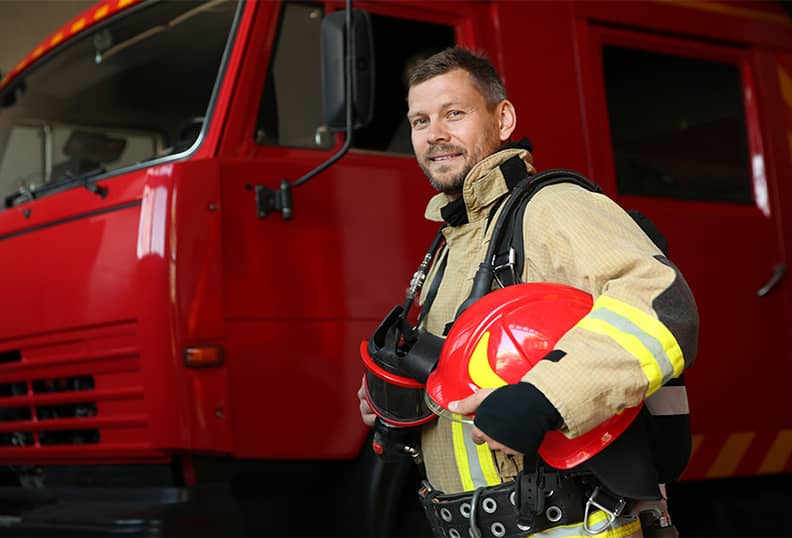
First responders face unique physical and emotional demands that can put significant strain on the heart and lungs. From long shifts and high-stress environments to the physical intensity of emergency response, these heroes require peak performance and early detection of potential health risks.
At Advanced Medical & Diagnostic Center, we provide comprehensive cardiovascular and pulmonary evaluations tailored specifically for police, fire, EMS, municipal workers, and labor union members.
Protecting the Heart of Every First Responder
Cardiovascular Testing
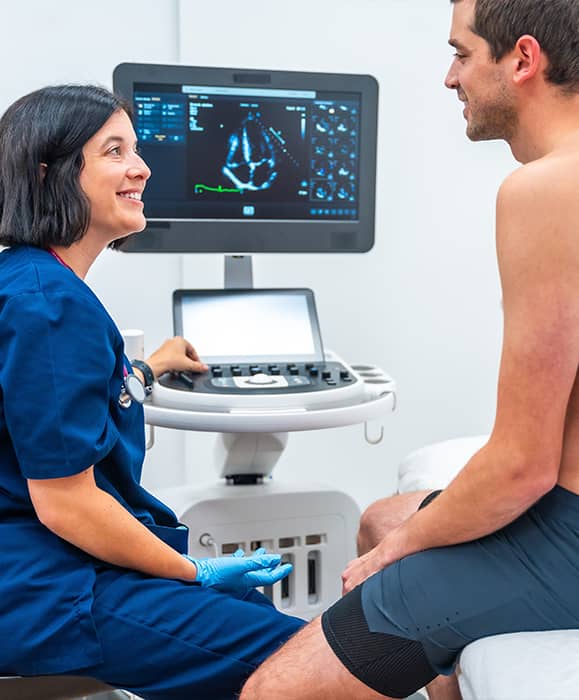
Our comprehensive cardiac evaluations use advanced tools like stress tests, EKGs, and echocardiograms to detect early signs of heart disease. By identifying risks before symptoms appear, we help first responders maintain peak performance and long-term health.
First responders face high levels of stress, unpredictable emergencies, and physically demanding situations. These conditions place added strain on the heart, increasing the risk of heart disease, arrhythmias, and hypertension. Because heart disease is often silent until it becomes life-threatening, regular cardiovascular testing is essential for prevention and early intervention.
Family history of heart disease or sudden cardiac events
High blood pressure, high cholesterol, or diabetes
Stressful work schedules and shift rotations
Frequent fatigue, chest discomfort, or shortness of breath
Occupational exposure to smoke, chemicals, or physical strain
Desire to establish a baseline for long-term health monitoring
Early Detection: Identify heart disease, valve disorders, or rhythm abnormalities before symptoms appear.
Performance Readiness: Ensure your heart can safely handle the physical demands of emergency response.
Risk Reduction: Lower the chances of sudden cardiac events with proactive care.
Personalized Care: Receive tailored nutrition, fitness, and lifestyle recommendations based on your test results.
Peace of Mind: Know your heart health is closely monitored by board-certified physicians.
Cardiovascular testing is highly recommended for:
First responders (police, fire, EMS) and municipal workers
Men over 40 and women over 50, or earlier with risk factors
Individuals with family history of cardiovascular disease
Patients with chronic conditions such as obesity, diabetes, or hypertension
Anyone experiencing symptoms like unexplained fatigue, chest pressure, or reduced stamina
“Silent myocardial infarction represents more than 45% of all heart attacks and is associated with a higher risk of death from heart disease.” (Zhang et al., 2016, Circulation)
Safeguarding Respiratory Health for First Responders
Pulmonary Testing
Strong, healthy lungs are vital for first responders who face smoke, dust, toxins, and physically demanding environments every day. Pulmonary testing goes beyond routine checkups, providing a detailed look at lung function, capacity, and efficiency to ensure first responders can breathe and perform at their best in high-stress situations.
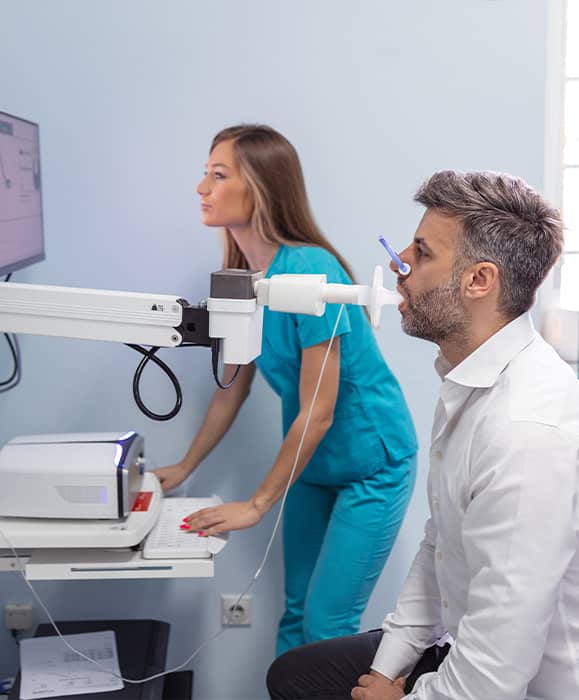
Pulmonary evaluations at Advanced Medical & Diagnostic Center use advanced technology to assess how well the lungs deliver oxygen and withstand physical strain. These tests are designed to detect conditions early—before they interfere with performance or become long-term health problems.
Testing includes:
Pulmonary function tests (PFTs) to measure airflow, capacity, and efficiency
Stress testing to assess respiratory performance under exertion
Oxygen saturation and respiratory rate monitoring
Screening for asthma, COPD, or occupational lung conditions
Frequent exposure to smoke, dust, or environmental toxins
Shortness of breath during physical activity
History of asthma, bronchitis, or other lung conditions
Chronic cough or unexplained wheezing
Reduced stamina or endurance at work or during training
Preventive care for long-term respiratory health
Early detection of asthma, COPD, or occupational lung disease
Improved endurance and stamina through optimized lung function
Personalized recommendations for lifestyle, recovery, and fitness strategies
Prevention of long-term respiratory decline due to occupational exposures
Peace of mind knowing your lungs are ready for demanding work environments
Pulmonary testing is recommended for:
Firefighters, police officers, and EMS professionals exposed to hazardous environments
Individuals with a history of smoking, asthma, or respiratory conditions
First responders experiencing shortness of breath, fatigue, or reduced performance
Anyone seeking a baseline respiratory health evaluation to track long-term changes
"Worldwide, studies show that between 60% and 86% of people with chronic obstructive pulmonary disease (COPD) remain undiagnosed—a significant public health concern that underscores the value of proactive pulmonary function testing."
Frequently Asked Questions
First responders face unique occupational risks such as high stress, irregular sleep, and physical strain. Cardiovascular testing helps detect silent heart disease, arrhythmias, or hypertension before they become emergencies, reducing the risk of sudden cardiac events on duty.
A comprehensive evaluation may include:
Stress testing to measure heart performance under exertion
Electrocardiogram (EKG) to assess rhythm and electrical activity
Echocardiogram to visualize structure, blood flow, and valve function
Blood pressure and cholesterol screening
Together, these tests provide a full picture of heart health.
Testing is recommended for:
Police, fire, EMS, and municipal workers
Men over 40 and women over 50
Individuals with family history of heart disease
Patients with high blood pressure, diabetes, or obesity
Anyone experiencing chest discomfort, shortness of breath, or fatigue
Most adults should undergo heart health screenings every 1–2 years, but first responders or those with risk factors may benefit from annual testing or more frequent monitoring based on physician recommendations.
Detects heart problems early, often before symptoms appear
Prevents sudden cardiac events in high-stress jobs
Provides a baseline for tracking long-term health
Improves confidence in physical readiness and safety on duty
First responders are frequently exposed to smoke, toxins, and high-stress situations that place extra demand on the lungs. Pulmonary testing identifies early issues like asthma or COPD and ensures lung function supports peak performance.
A complete assessment often involves:
Pulmonary function tests (PFTs) to measure airflow and capacity
Stress testing to evaluate breathing under exertion
Oxygen saturation and respiratory monitoring
Screening for chronic respiratory conditions
Testing is recommended for:
Firefighters and EMS workers exposed to smoke or hazardous air
Anyone with a history of asthma, chronic cough, or wheezing
First responders experiencing shortness of breath or reduced stamina
Those who smoke or have past exposure to lung irritants
For healthy adults, testing every few years is usually sufficient. First responders, especially those exposed to smoke or chemicals, should consider annual evaluations or more frequent testing if symptoms develop.
Early detection of asthma, COPD, or occupational lung disease
Better endurance and recovery for physically demanding shifts
Prevention of long-term respiratory decline
Personalized recommendations to strengthen lung health
Peace of mind knowing lung function supports job performance