Why Cardiovascular and Pulmonary Testing Matters for Police, Fire, and EMS in Hackensack, NJ
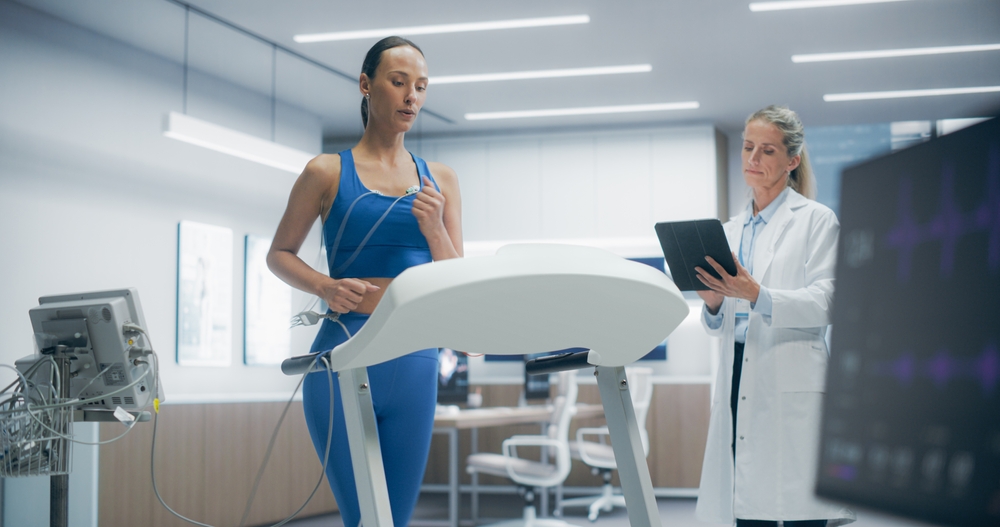
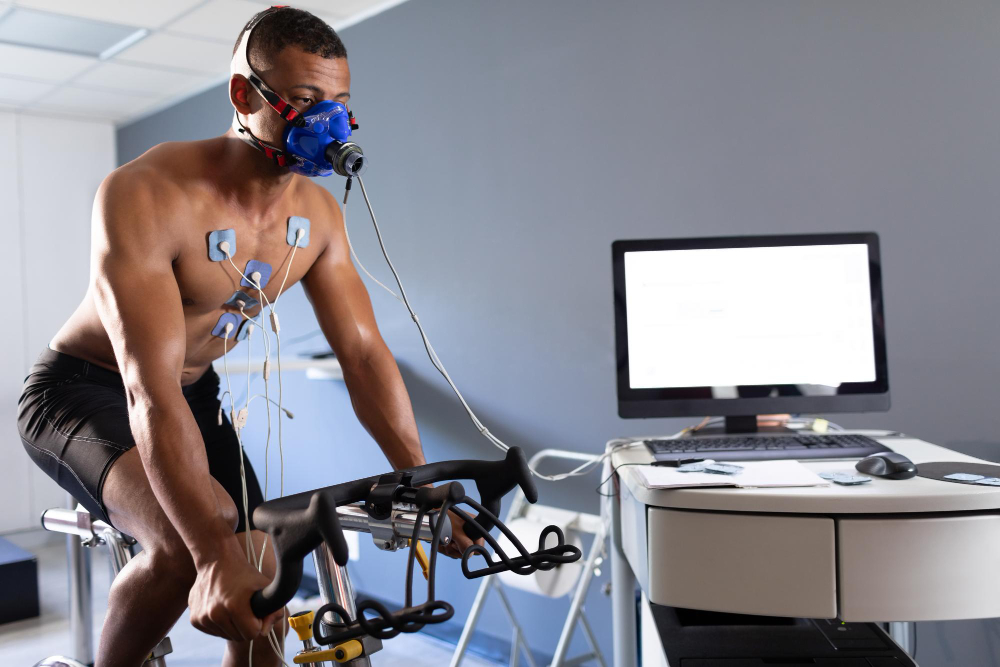
Why Cardiovascular and Pulmonary Testing Matters for Police, Fire, and EMS in Hackensack, NJ First responders face some of the most physically demanding work environments in the country, which is why many departments throughout the region turn to Advanced Medical & Diagnostics Center for detailed cardiovascular and pulmonary evaluations. Police officers, firefighters, and EMS professionals endure unpredictable physical stress, long work hours, and high-intensity situations that test the limits of their heart and lung capacity. As these demands continue to increase, the need for structured health assessments has become essential for ensuring the safety, performance, and longevity of New Jersey’s emergency personnel. In this comprehensive guide, we explore why cardiovascular testing in Hackensack NJ matters, how it supports front-line workers, and what every department should understand about maintaining long-term health in the field. Strong cardiopulmonary function is not simply recommended for public safety professionals; it is a foundational requirement for performing the duties expected of them. Whether they are climbing multiple flights of stairs, carrying heavy protective gear, pursuing suspects, or responding to medical emergencies, their bodies must react quickly and efficiently under extreme pressure. The clinicians at Advanced Medical & Diagnostics Center specialize in evaluating these exact challenges, ensuring that every responder receives evidence-based assessments that align with their occupational needs. This introduction sets the stage for why comprehensive testing is becoming a standard expectation across law enforcement, fire services, and emergency medical teams. Why Heart and Lung Health Should Be a Priority for First Responders The Impact of Physical Stress in Emergency WorkEmergency responders operate under conditions that consistently elevate cardiovascular strain. Police officers may transition from a stationary patrol to a sprint without warning. Firefighters lift hoses, climb ladders, and work inside extremely hot environments that place immense demand on the heart and lungs. EMS workers carry patients, handle heavy equipment, and perform medical procedures while maintaining rapid situational awareness. These high-stress moments are precisely why cardiovascular testing in Hackensack NJ is widely recommended among agencies that want to monitor health risks before they lead to more serious complications. Studies from the American Heart Association show that sudden cardiac events are a leading cause of line-of-duty deaths among firefighters and a significant risk for law enforcement professionals as well (American Heart Association, 2023). Medical literature also highlights that underlying cardiovascular conditions often remain undetected until they are triggered by intense physical activity. Regular monitoring provides early insight into potential problems and creates opportunities for intervention long before symptoms escalate. Understanding Respiratory Challenges Unique to Each FieldWhile all responders depend on strong lung function, each discipline encounters different environmental exposures. Firefighters, for instance, face smoke, particulate matter, chemical fumes, and extreme heat. Over time, these exposures may reduce lung capacity or contribute to chronic respiratory issues if not identified early. Cardiovascular testing in Hackensack NJ often includes pulmonary function evaluations to determine how well the lungs expand and process oxygen in stressful environments. Police officers and EMS personnel may not face the same airborne irritants as firefighters, but they still rely heavily on optimal breathing performance for endurance, cognitive clarity, and rapid decision-making. Even mild respiratory impairments can compromise effectiveness in the field. What Cardiovascular Testing Actually Measures Evaluating Heart Rate, Blood Flow, and CirculationCardiovascular assessments are designed to measure how the heart performs during rest and under physical strain. Many of the evaluations used during cardiovascular testing in Hackensack NJ include treadmill or cycle-based protocols that gradually increase intensity. These tests track heart rate, blood flow efficiency, blood pressure patterns, and electrical activity to determine whether the heart responds appropriately to stress. A key goal is to identify abnormalities that may not appear during routine check-ups. For example, arrhythmias, reduced cardiac output, or delayed recovery rates may become apparent only during structured exercise evaluations. When detected early, they can be managed safely through medical guidance and lifestyle modifications. Measuring Oxygen Consumption and EnduranceA significant component of these assessments includes VO2 max testing, which calculates how efficiently the body utilizes oxygen during exertion. This metric is a strong predictor of cardiovascular resilience. High aerobic capacity helps first responders perform longer, recover faster, and remain mentally sharp throughout demanding tasks. When first responders participate in cardiovascular testing in Hackensack NJ, clinicians analyze how well their heart, lungs, and muscles work together to sustain energy output. Identifying Thresholds of Physical CapabilityEvery individual has personal limits based on age, conditioning, and overall health. Testing helps define these boundaries to prevent unnecessary strain or injury. For example, a firefighter with excellent strength but reduced endurance may struggle during prolonged rescues or ventilation operations. Cardiovascular testing in Hackensack NJ helps pinpoint these discrepancies and provides actionable insights for training improvements. The Role of Pulmonary Function Testing in First Responder Safety Why Lung Capacity Matters in High-Stress OperationsPulmonary function tests evaluate airflow strength, lung volume, and the ability to move oxygen efficiently into the bloodstream. For firefighters, even minor reductions in lung capacity can affect performance while wearing heavy protective gear or working inside smoke-filled structures. For police and EMS professionals, pulmonary efficiency supports decision-making, stamina, and the ability to stay alert during long shifts. Testing often includes spirometry, diffusion capacity evaluations, and respiratory resistance measurements. Combined with cardiovascular testing in Hackensack NJ, these assessments give agencies a complete picture of how well responders can handle real-world physical demands. Detecting Respiratory Conditions Before They Become DebilitatingMany respiratory issues develop slowly. Asthma, chronic bronchitis, airway inflammation, or smoke-related irritation may not be easily noticeable in early stages. Catching these concerns early allows responders to take corrective steps, receive treatment, or adjust workload expectations based on medical guidance. These proactive measures reduce long-term risks and help maintain career longevity. How First Responders Benefit From Combined Cardiopulmonary Testing A Holistic View of Physical ReadinessWhen both cardiovascular and pulmonary results are evaluated together, departments gain a detailed understanding of their team’s operational capabilities. This holistic approach is one of the reasons many agencies request cardiovascular testing in Hackensack NJ on an annual or biannual schedule. The information