What Happens If You Leave Varicose Veins Untreated?
- Advanced Medical & Diagnostic Center
- August 2, 2026
- 10 min read
Vein Treatment
Table of Contents
- 1. Why Varicose Veins Do Not Stay the Same
- 2. The Root Cause Behind Untreated Varicose Veins
- 3. How Vein Disease Progresses in Stages
- 4. Specific Complications That Develop Over Time
- 5. Why Waiting Does Not Make Varicose Veins Better
- 6. Who Is Most at Risk for Rapid Progression
- 7. When the Window for Simple Treatment Closes
- 8. Frequently Asked Questions
- 9. What to Do Next
If you have noticed bulging or twisted veins on your legs and decided to hold off on getting them checked, you are making a decision that affects more than appearance. Untreated varicose veins are not a static problem. They are the visible sign of a circulatory condition that worsens on a predictable timeline, and every month of delay narrows the range of options available when treatment is eventually sought.
This guide explains exactly what happens when untreated varicose veins are left to advance, stage by stage, complication by complication, so you can make an informed decision about when to act.
1. Why Varicose Veins Do Not Stay the Same
Most people who put off vein treatment do so because their symptoms feel manageable. The legs ache after a long shift. The ankles swell by evening. The veins are visible and getting larger, but nothing feels urgent enough to address. This is the window in which the condition is doing its most significant damage quietly.
Varicose veins are not simply enlarged vessels. They are the surface expression of a deeper failure in the venous system, and that failure does not plateau. Venous disease follows a staged progression that, without treatment, reliably advances from mild cosmetic changes to medically serious complications over time.
2. The Root Cause Behind Untreated Varicose Veins
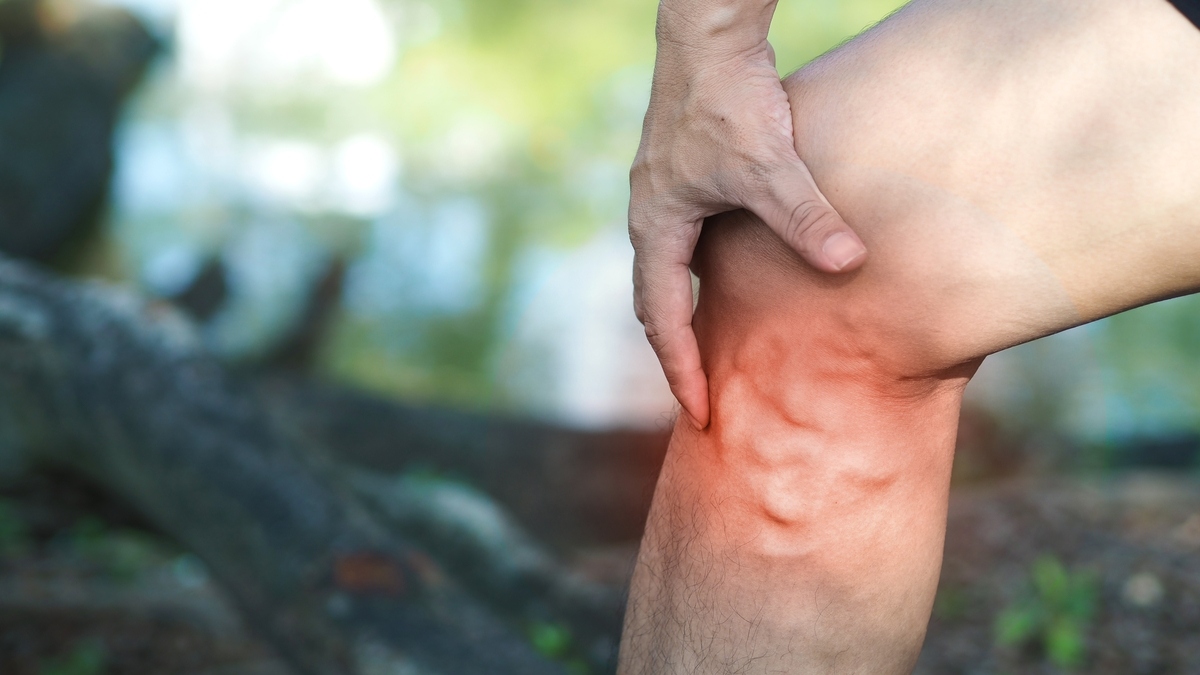
Your leg veins contain one-way valves designed to keep blood moving upward toward the heart against gravity. When those valves weaken or fail, blood flows backward and collects in the lower leg veins. That pooled blood creates sustained hydraulic pressure inside the vessel walls, stretching and distorting them into the rope-like, twisted appearance of varicose veins.
The underlying condition driving this process is called chronic venous insufficiency. It is the reason untreated varicose veins behave the way they do. Because the valve damage itself is the source of the problem, and because damaged valves do not repair themselves, the pressure inside the veins continues to build. New veins become involved. Existing varicose veins enlarge. The tissue and skin surrounding them begins to bear the consequences of sustained circulatory stress.
No amount of time resolves this on its own. Managing symptoms with compression stockings and movement reduces discomfort but does not address the valves. The disease continues to advance beneath the surface regardless of how the legs feel on a given day.
3. How Vein Disease Progresses in Stages
Vein specialists use a clinical staging system called the CEAP classification to describe where a patient falls in the progression of venous disease. The scale runs from C0, which is no visible signs, through C6, which is an active open wound on the lower leg. Most patients who first notice varicose veins are already at C2 or higher, meaning progression has been underway for some time before the problem became visible.
According to the National Heart, Lung, and Blood Institute, varicose veins are caused by weakened or damaged valves in the veins and are a sign of an underlying circulatory condition that worsens over time without treatment. The staging system reflects this reality; each level of the scale represents a measurable deterioration in venous function and tissue health that does not reverse on its own.
Here is what that progression typically looks like when untreated varicose veins are left to advance:
Early Stage
- Leg heaviness, aching, or fatigue that worsens with prolonged standing or sitting
- Mild ankle swelling that resolves with overnight rest and leg elevation
- Visible varicose or spider veins that gradually spread or increase in number
- Occasional nighttime leg cramps and restless legs
Intermediate Stage
- Persistent swelling that no longer fully resolves with rest
- Skin near the ankles begins to darken from iron deposits leaking through stressed vessel walls
- Itching, dryness, or a tight, thickened texture develops around affected veins
- Additional varicose veins appear and existing ones enlarge noticeably
- Episodes of inflammation or clotting in surface veins become more likely
Advanced Stage
- Skin permanently thickens, discolors, and becomes fragile near the lower ankle
- Open wounds develop on the leg from skin that can no longer withstand sustained venous pressure
- Chronic pain, wound management demands, and restricted mobility significantly reduce quality of life
- Risk of complications involving deeper veins increases
4. Specific Complications That Develop Over Time
Each stage of vein disease progression brings identifiable complications. Understanding what each one involves clarifies why earlier evaluation changes outcomes.
Superficial Thrombophlebitis
When blood remains pooled in a varicose vein long enough, clotting can develop inside the vessel. Superficial thrombophlebitis presents as redness, warmth, tenderness, and a hard, cord-like area along the affected vein. While the clot is in a surface vein rather than a deep one, it causes significant discomfort and, in some patients, can extend toward deeper vessels over time if the underlying insufficiency continues untreated.
Lipodermatosclerosis and Permanent Skin Changes
One of the less-discussed consequences of untreated varicose veins is what sustained venous pressure does to the surrounding tissue over months and years. As blood leaks through the walls of stretched, damaged veins, iron-containing compounds deposit in the tissue beneath the skin. The skin gradually turns brown or reddish, hardens, and loses its normal elasticity. This process is called lipodermatosclerosis. Once it has developed, these changes are largely permanent even after successful vein treatment. This is one of the clearest reasons not to delay evaluation until symptoms feel severe.
Venous Stasis Ulcers
Venous stasis ulcers are the most serious complication of untreated varicose veins. According to the National Institutes of Health, venous ulcers account for the majority of chronic lower extremity wounds and carry high recurrence rates when the underlying venous disease is not treated at the source. These open wounds develop on the inner ankle or lower calf in areas where chronically compressed skin has finally broken down. They can persist for months or years and often require intensive wound care that significantly disrupts daily function and work capacity.
Spontaneous Bleeding
As varicose veins enlarge and the skin directly over them thins, even minor trauma can cause the vein to rupture and bleed. Because venous pressure continues to drive blood toward the surface, bleeding from a ruptured varicose vein can be more significant than the location suggests. This complication, while not the most common, surprises many patients who assumed their veins were simply a cosmetic issue.
5. Why Waiting Does Not Make Varicose Veins Better
The most common reason patients delay evaluation is the belief that their veins might improve if they lose weight, exercise more, or wear compression stockings consistently. These measures can reduce symptoms and slow the rate of progression, but they cannot reverse valve damage that has already occurred.
This distinction matters clinically. Symptom management is not the same as treating the disease. A patient who follows every conservative recommendation may feel better on a daily basis while chronic venous insufficiency continues advancing beneath the surface.
The procedures used to treat varicose veins, including radiofrequency ablation, endovenous laser ablation, and sclerotherapy, are most effective and least complex when performed before advanced skin changes or wound formation has occurred. Once the disease has reached the stage of permanent skin changes or active ulceration, treatment becomes more involved, outcomes take longer to achieve, and some of the damage already done cannot be reversed even with successful vein closure.
For a full overview of what treatment options are available and what each procedure involves, our vein treatment service page covers every approach in detail.
6. Who Is Most at Risk for Rapid Progression
Not everyone with varicose veins will advance to complications at the same rate. Certain factors accelerate the trajectory of untreated varicose veins and increase the likelihood of reaching serious stages sooner:
- Occupations requiring prolonged standing or sitting — first responders, nurses, factory and warehouse workers, teachers, and office workers face elevated risk because extended leg dependency continuously increases venous pressure
- Family history of vein disease — chronic venous insufficiency has a strong inherited component, and those with a parent or sibling who developed complications are more likely to follow a similar progression
- Prior pregnancies — the increased venous pressure of pregnancy is one of the most common triggers for varicose vein development, and prior pregnancies increase the likelihood of more aggressive disease
- Obesity or significant weight gain — elevated abdominal pressure reduces blood return from the lower limbs and accelerates valve deterioration
- History of deep vein thrombosis — prior clotting events in deeper veins frequently cause permanent valve damage, making venous insufficiency more pronounced and faster-moving
- Age over 50 — vein walls and valve tissue weaken naturally with age, and untreated varicose veins in older patients tend to progress more quickly than in younger patients
If two or more of these factors apply to you alongside visible or symptomatic varicose veins, the risk of rapid progression is meaningfully elevated.
7. When the Window for Simple Treatment Closes
The most straightforward treatment for varicose veins and chronic venous insufficiency is available to patients in the early and intermediate stages of disease. At these stages, radiofrequency ablation closes the malfunctioning vein from the inside using controlled heat energy delivered through a thin catheter. The procedure is performed in-office under local anesthesia, takes under an hour, and requires minimal recovery time.
Once disease has advanced to include permanent skin changes, active ulceration, or repeated thrombophlebitis, treatment is still possible but the clinical picture is more complex. Wound care management may need to run concurrently with vein treatment. The tissue changes already present may not fully resolve even after successful vein closure. The path from evaluation to functional recovery takes longer.
The window for the simplest, most effective approach is open now, not after the disease has had another year or two to advance. Patients in New Jersey who are ready to have their veins evaluated can reach our team at our Hackensack, NJ office or our Wayne, NJ office.
8. Frequently Asked Questions
No. Vein valve damage does not reverse without medical intervention. The venous pressure driving varicose vein development continues to build over time, and symptoms that begin as mild aching or visible veins will progress without treatment. Conservative measures like compression and exercise can slow progression and reduce discomfort but cannot repair the valves or close the affected veins.
A duplex ultrasound performed by a vein specialist is the only reliable way to assess the stage of your venous disease and identify which veins have valve dysfunction. Clinically, advancing disease tends to show up as increasing swelling that no longer resolves overnight, skin color changes near the ankle, and worsening pain or heaviness. Any of these changes from your baseline warrants prompt evaluation.
Regular walking and low-impact movement are generally beneficial for venous circulation and are encouraged for most patients with varicose veins. High-impact activities that place sustained impact on the lower legs may worsen symptoms in some cases. If you are unsure what is appropriate for your level of disease, discuss it with a vein specialist before making significant changes to your routine.
Schedule a vein evaluation that includes a physical examination and duplex ultrasound. This gives your provider a complete picture of where valve dysfunction is occurring, how far the disease has progressed, and which treatment approach is most appropriate for your situation. No referral is required to schedule an evaluation at Advanced Medical and Diagnostics Center.
Treating varicose veins at an early or intermediate stage closes the malfunctioning vessels, eliminates the source of chronic venous pressure, and significantly reduces the risk of progression to skin changes, ulceration, and thrombophlebitis. While new vein issues can develop over time if underlying risk factors remain present, treating existing disease now interrupts the progression that is already underway.
9. What to Do Next
Untreated varicose veins are a progressive vascular condition with a predictable clinical course. The stages from visible veins to skin changes to open wounds follow a sequence that medical intervention can interrupt at any point, but the earlier that intervention occurs, the simpler the treatment and the more complete the outcome.
If you have been monitoring your varicose veins and noticing that symptoms are changing, that swelling is taking longer to resolve, or that the veins themselves are spreading or enlarging, those are signs that the disease has advanced beyond its earliest stage. Patients in the Hackensack and Bergen County area can schedule a comprehensive vein evaluation at our vein treatment clinic in Hackensack, NJ to get a clear picture of where their venous disease stands and what options are available.
Key Takeaways
- Untreated varicose veins are caused by chronic venous insufficiency, a condition in which damaged vein valves allow blood to pool in the lower legs
- The disease follows a staged progression from visible surface veins through skin changes, thrombophlebitis, and eventually venous ulceration
- Damaged vein valves do not repair themselves, meaning conservative measures reduce symptoms but do not stop progression
- The most serious complications of untreated varicose veins include lipodermatosclerosis, spontaneous bleeding, and venous stasis ulcers that can persist for months or years
- Risk factors for rapid progression include standing occupations, family history, prior pregnancies, obesity, prior blood clots, and age over 50
- The window for the most straightforward, minimally invasive treatment is available in early and intermediate stages of disease
- A duplex ultrasound evaluation is the only reliable way to determine what stage of venous disease is present and which treatment approach is most appropriate
LEAVING VARICOSE VEINS UNTREATED IS NOT A WAITING GAME. IT IS A PROGRESSION.
The connection between vein valve dysfunction and long-term tissue damage is well documented in the clinical literature. If you have been noticing changes in your legs, spreading veins, increasing swelling, or skin that looks different near your ankles, speaking with a physician who can assess your venous health gives you a clear picture of where you stand and what your options are.