

Sleep Studies
Sleep is vital for overall health, focus, and performance — especially for first responders who often work irregular hours, face high stress, and are required to stay sharp in unpredictable situations. Unfortunately, sleep disorders such as sleep apnea, insomnia, and restless leg syndrome are common yet frequently go undiagnosed.
At Advanced Medical & Diagnostic Center, we provide comprehensive sleep studies to uncover hidden sleep problems, improve rest quality, and enhance both daily function and long-term health.
Identifying Triggers That Impact Everyday Health
What is a Sleep Study?
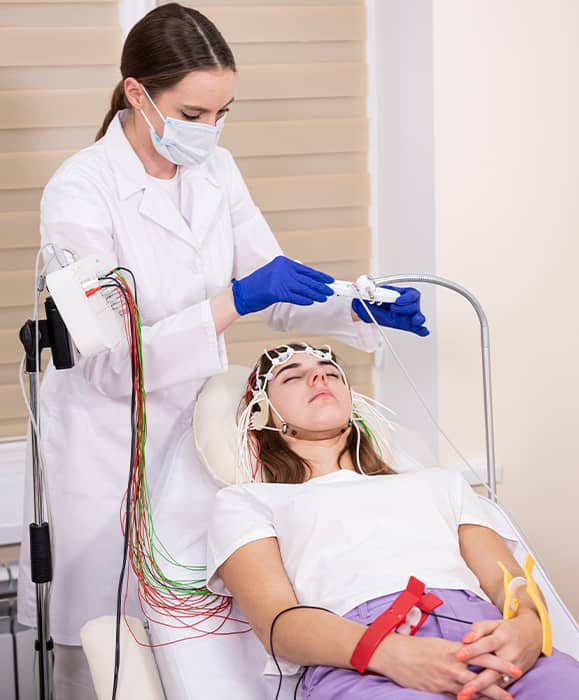
A sleep study, also known as a polysomnography, is a non-invasive test that records brain activity, breathing, heart rhythm, oxygen levels, and movement during sleep. It helps diagnose sleep disorders that can impact physical health, mental performance, and workplace safety.
Monitoring may include:
- Brain waves and sleep stages
- Heart rate and rhythm
- Snoring and airway function
- Breathing patterns and oxygen saturation
- Muscle activity and movement
Sleep deprivation and undiagnosed sleep disorders can have serious consequences for first responders. Poor sleep is linked to:
Increased risk of cardiovascular disease and hypertension
Decreased focus, reaction time, and decision-making
Greater likelihood of workplace accidents
Impaired mood, stress tolerance, and emotional resilience
Long-term health risks such as diabetes and obesity
Identifying and treating sleep problems ensures first responders maintain peak readiness, safety, and long-term wellness.
Loud or chronic snoring
Pauses in breathing or gasping during sleep
Excessive daytime fatigue or “nodding off” during the day
Difficulty falling or staying asleep
Restless legs or frequent nighttime movement
Morning headaches or poor concentration
History of cardiovascular disease or metabolic conditions
Accurate Diagnosis: Identify sleep apnea, insomnia, narcolepsy, and other disorders.
Improved Energy: Restorative sleep leads to more daytime alertness and stamina.
Better Cognitive Function: Enhanced memory, focus, and decision-making on duty.
Reduced Health Risks: Lower risk of hypertension, diabetes, and heart disease.
Personalized Care: Tailored treatment options, from CPAP therapy to lifestyle adjustments.
Sleep studies are recommended for:
First responders and shift workers with irregular sleep schedules
Individuals with loud snoring, frequent awakenings, or excessive daytime sleepiness
Patients with a history of cardiovascular or metabolic disease
Adults experiencing poor concentration, mood changes, or morning headaches
Anyone concerned about long-term health effects of poor sleep
At Advanced Medical & Diagnostic Center, we understand the critical role of sleep in both performance and long-term health. Our board-certified physicians conduct thorough sleep studies in a comfortable, monitored environment, ensuring accurate results and clear treatment recommendations.
Frequently Asked Questions
A sleep study, or polysomnography, is a non-invasive test that monitors brain waves, breathing, heart rhythm, oxygen levels, and movement while you sleep to detect sleep disorders.
You may need one if you experience loud snoring, daytime fatigue, difficulty staying asleep, restless legs, or pauses in breathing during sleep. Sleep studies help identify conditions like sleep apnea or insomnia.
Sleep studies can detect:
Obstructive sleep apnea
Insomnia
Narcolepsy
Restless leg syndrome
Parasomnias (such as sleepwalking)
You’ll sleep overnight in a comfortable, monitored environment. Sensors track your breathing, heart rate, oxygen, and brain activity while trained staff observe and record data for physician review.
The test is painless. Sensors are applied with gentle adhesive, and while they may feel unusual at first, most people adjust quickly and are able to sleep normally.
In some cases, home sleep tests are available for suspected sleep apnea. However, in-clinic studies provide more detailed data and are recommended for complex cases or multiple suspected disorders.
Accurate diagnosis of sleep problems
Improved energy and alertness during the day
Reduced risk of heart disease, diabetes, and high blood pressure
Better mood, focus, and quality of life
Results are usually available within 1–2 weeks. Your provider will review the findings with you and recommend treatment options tailored to your condition.