
Advanced Medical & Diagnostic Center

man with low testosterone symptoms

How Do I Know If My Testosterone Levels Are Too Low?

How Do I Know If My Testosterone Levels Are Too Low? If you have been feeling off lately, more tired than usual, less motivated, gaining weight without explanation, or just not quite yourself, you might have wondered whether your hormones are to blame. Low testosterone symptoms are more common than most men realize, and they often develop so gradually that many men write them off as normal aging or stress. Testosterone levels in men begin declining naturally after age 30. But for some men, that decline is steeper or happens earlier, and the effects go well beyond feeling a little run down. Understanding the signs of low testosterone is the first step toward getting a real answer and potentially feeling like yourself again. This guide covers the most common physical, mental, and sexual symptoms of low testosterone, what a normal testosterone range actually looks like, and what testing is needed to confirm a diagnosis. Understanding the signs of low testosterone is the first step toward getting a real answer. To learn more about what treatment involves once a diagnosis is confirmed, read our guide on what happens during testosterone replacement therapy treatment. What Are Normal Testosterone Levels in Men? Before you can understand whether your levels are low, it helps to know what normal looks like. Testosterone is measured through a blood test, and results are reported in nanograms per deciliter (ng/dL). According to the American Urological Association, a total testosterone level below 300 ng/dL is generally considered low in adult men. Most labs report the normal range as approximately 300 to 1,000 ng/dL, though this varies slightly depending on the laboratory and testing method used. Total testosterone is only part of the picture. Free testosterone is the portion not bound to proteins in the bloodstream and available for your body to use. Two men with the same total testosterone reading can have very different free testosterone levels, which is why a comprehensive hormone panel always includes both measurements. Age also plays a significant role. Testosterone levels peak in early adulthood and decline by roughly 1 to 2 percent per year after age 30. Your provider will interpret your results within the context of your age and overall health, not against a one-size-fits-all number. Physical Signs Your Testosterone May Be Too Low Low testosterone symptoms often appear first in the body. These are the physical changes many men notice but frequently attribute to other causes. Persistent fatigue that does not improve with rest This is one of the most commonly reported low testosterone symptoms. If you are sleeping a reasonable number of hours but still waking up exhausted, or hitting a significant energy crash by mid-afternoon, hormonal imbalance may be a contributing factor. It is a deeper, chronic depletion that does not respond the way normal tiredness does. Loss of muscle mass and decreased strength Testosterone plays a direct role in building and maintaining muscle tissue. Men with testosterone deficiency often notice they are losing strength or muscle definition despite maintaining their normal exercise routine. This is a meaningful functional change, not just a cosmetic one. Increased body fat, particularly around the midsection Low testosterone and weight gain are closely connected. When testosterone levels drop, the body tends to accumulate fat more readily, especially around the abdomen. This can happen even when diet and activity levels have not changed. Additional physical signs to watch for include: Decreased bone density, which increases susceptibility to fractures and injury over time Disrupted sleep, including difficulty falling asleep, staying asleep, or waking unrefreshed Noticeable thinning of body or facial hair If persistent fatigue, reduced strength, or changes in body composition sound familiar, our testosterone replacement therapy service page outlines the full range of symptoms our providers evaluate during a clinical assessment. Mental and Emotional Signs of Low Testosterone The mental and emotional effects of testosterone deficiency are often overlooked or misattributed to stress, burnout, or depression. In many cases, they are hormone-related. Mood changes and increased irritability Men with low testosterone often describe a shorter fuse than usual; a lower threshold for frustration, impatience, or feeling overwhelmed. This is not a character issue. It is a physiological one. Difficulty concentrating and mental fog Testosterone influences cognitive function. If you find yourself struggling to focus, losing your train of thought more easily, or feeling mentally sluggish in situations where you used to be sharp, declining testosterone may be a contributing factor. Depression and loss of motivation Men with low T often describe a flattened sense of drive; less interest in activities they used to enjoy, reduced ambition, and a general feeling of going through the motions. Research published in the Journal of Clinical Endocrinology and Metabolism has found associations between low testosterone and increased rates of depression in men. Decreased confidence Many men notice a subtle but meaningful shift in their sense of self-assurance. The confidence that used to come naturally in professional situations, social settings, or personal relationships begins to feel harder to access. Sexual Health Signs of Low Testosterone Testosterone is the primary driver of male sexual function. Changes in this area are among the most telling indicators of a hormone imbalance. The three most common sexual symptoms of low testosterone are: Reduced libido. A significant and sustained drop in interest in sexual activity that is persistent, not just a temporary dip. Erectile dysfunction. Low T can reduce the frequency of spontaneous erections and make it more difficult to maintain one during sexual activity. Decreased sexual satisfaction. Even when sexual activity occurs, men with low testosterone often report it feels less rewarding than it previously did. How Is Low Testosterone Actually Diagnosed? Recognizing symptoms is an important first step, but low testosterone must be confirmed through laboratory testing. Symptoms alone are not sufficient for a diagnosis, and other conditions can produce similar signs. A proper evaluation for testosterone deficiency typically follows this process: Comprehensive hormone blood panel. This includes total testosterone, free testosterone, luteinizing hormone (LH), follicle-stimulating hormone (FSH), estradiol, and sex

Man experiencing low energy after physical activity, representing concerns addressed by trt treatment near hackensack nj

Feeling Low Energy? TRT Treatment Options in Hackensack, NJ Explained

Feeling Low Energy? TRT Treatment Options in Hackensack, NJ Explained Feeling low energy on a consistent basis can be frustrating, especially when it begins to affect work, relationships, and overall quality of life. Many men in Bergen County find themselves searching for answers when rest, exercise, and dietary changes no longer seem to make a difference. At Advanced Medical & Diagnostics Center, we regularly meet individuals who are researching trt treatment near hackensack nj as part of a broader effort to understand why their energy levels feel different than they once did. Advanced Medical & Diagnostics Center is committed to providing medically guided evaluations and personalized care for men experiencing persistent fatigue and related concerns. Rather than assuming low energy is simply a normal part of aging, our clinical team focuses on identifying potential contributing factors, including hormonal changes, metabolic health, and lifestyle influences. This article explains how testosterone impacts energy, what testosterone replacement therapy involves, and how men in Hackensack, New Jersey can approach treatment decisions in an informed and responsible way.  Why Persistent Low Energy Deserves Medical Attention Low energy becomes concerning when it is no longer occasional or situational. Many men describe a gradual decline in stamina that affects both physical performance and mental clarity. This type of fatigue can feel different from being tired after a long day and may not improve with sleep or time off. Over time, ongoing fatigue can interfere with concentration, motivation, and emotional well-being. These experiences often lead men to explore options such as testosterone replacement therapy hackensack nj, particularly when lifestyle adjustments fail to restore their previous energy levels. Medical evaluation helps distinguish between temporary fatigue and symptoms that may be linked to underlying physiological changes.  How Testosterone Influences Energy and Daily Function Testosterone plays an essential role in several systems that influence how energized the body feels throughout the day. It supports muscle strength, red blood cell production, metabolic efficiency, and mood regulation. When testosterone levels decline, the effects may be subtle at first but often become more noticeable over time. Men with lower testosterone levels may experience reduced endurance, slower recovery after physical activity, and increased mental fatigue. According to clinical guidance from the Mayo Clinic, confirmed low testosterone levels in men can be associated with fatigue, decreased muscle mass, and changes in mood when evaluated through appropriate testing. These connections help explain why low testosterone treatment hackensack nj is frequently discussed during medical consultations focused on energy concerns. Recognizing Patterns Linked to Hormonal Changes Hormone-related fatigue rarely appears suddenly. Instead, many men notice a slow shift in how their body responds to everyday demands. Tasks that once felt manageable may require more effort, and physical activity may feel more draining than expected. Some men also report difficulty staying mentally focused throughout the day or feeling less motivated to engage in activities they previously enjoyed. These patterns are often explored during visits to a trt clinic in hackensack nj, where providers assess symptoms in context rather than isolating them from overall health history. Understanding What Testosterone Replacement Therapy Is Testosterone replacement therapy is a medically supervised approach designed for men with clinically low testosterone levels confirmed through laboratory testing. TRT is not intended as a shortcut for improving performance or energy. Its purpose is to help restore hormone levels to a healthy range under professional oversight. Men considering hormone therapy for men in hackensack nj often do so after careful evaluation and discussion with a medical provider. Treatment decisions are based on objective test results, symptom patterns, and individual health factors. This structured approach helps ensure that therapy is appropriate and aligned with long-term wellness goals.  Why Proper Evaluation Comes Before Treatment Testosterone levels naturally fluctuate and can be influenced by time of day, stress, sleep, and illness. Because of this variability, symptoms alone are not enough to determine whether TRT is appropriate. A thorough evaluation is essential before any treatment is considered. At a men’s hormone clinic hackensack nj, providers review blood test results alongside medical history, current medications, and lifestyle factors. This comprehensive process helps rule out other potential causes of fatigue, such as thyroid disorders, sleep apnea, or metabolic conditions, which may require different forms of care. Exploring the Link Between Testosterone Deficiency and Fatigue Testosterone deficiency does not affect every man in the same way. Some individuals experience primarily physical fatigue, while others notice emotional or cognitive changes. This variability underscores the importance of individualized evaluation rather than assumptions. Men who explore testosterone therapy for low energy often do so because fatigue has begun to impact productivity or daily comfort. When low testosterone is confirmed, treatment may be discussed as one part of a broader health strategy rather than a standalone solution. Factors That Contribute to Lower Testosterone Levels While aging is commonly associated with declining testosterone, it is not the only contributing factor. Chronic stress, excess body weight, poor sleep quality, and certain medical conditions can all influence hormone production over time. Understanding the causes of low testosterone in men allows providers to address contributing factors alongside any treatment recommendations. This may include guidance on sleep habits, nutrition, physical activity, and stress management in addition to medical options. How TRT Fits Into Ongoing Men’s Health Care TRT is typically integrated into a larger framework of men’s health care rather than approached as a single intervention. Ongoing monitoring, follow-up appointments, and communication with medical providers are essential components of safe and effective care. Men pursuing trt for fatigue and low energy often benefit from regular check-ins that allow providers to track hormone levels and overall response. This ongoing oversight supports safety and helps ensure treatment remains appropriate over time. Initial Testing and Diagnostic Considerations The diagnostic process for TRT begins with laboratory testing. Blood tests are used to measure testosterone levels and related markers that provide insight into hormonal balance. These results help determine whether symptoms align with clinical findings. Men undergoing testosterone testing hackensack nj are encouraged to review results carefully with

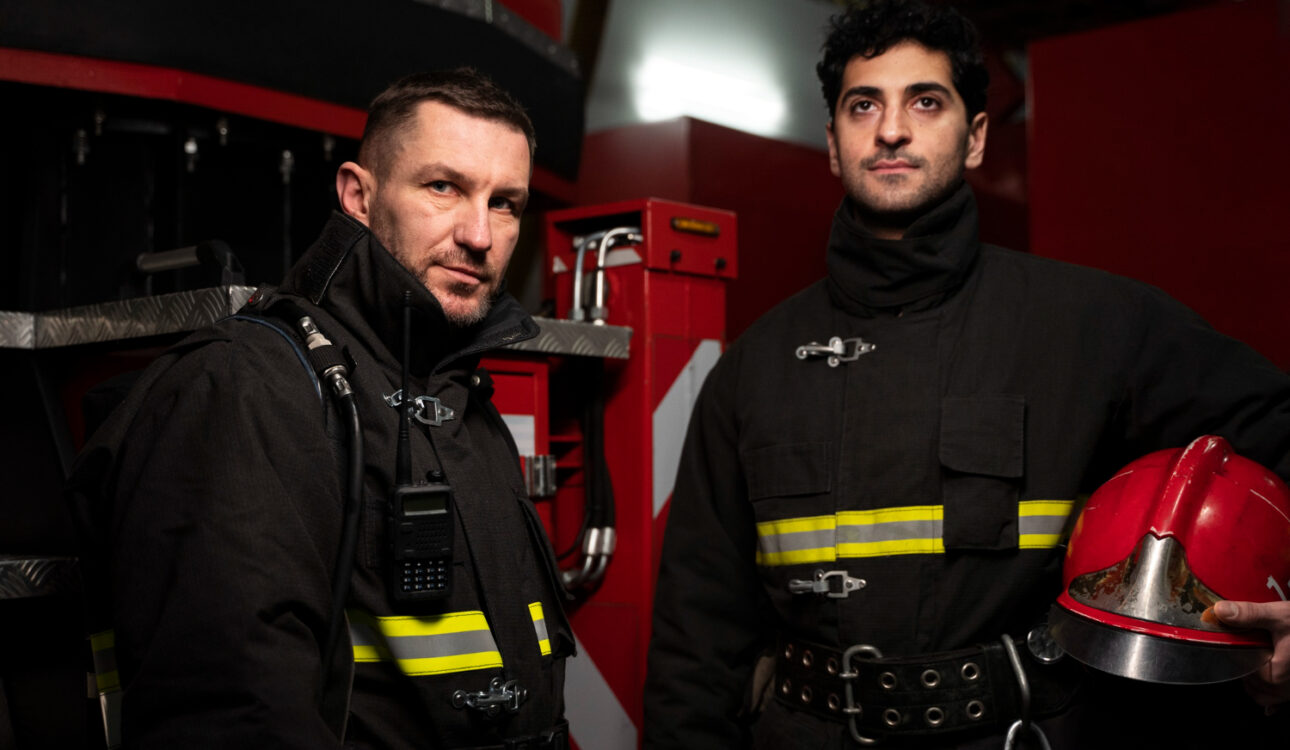
Two firefighters in full gear standing inside a fire station, representing first responders affected by low testosterone in Hackensack NJ.

How Low Testosterone Affects First Responders: What Police, Fire, and EMS in Hackensack, NJ Should Know About TRT

How Low Testosterone Affects First Responders: What Police, Fire, and EMS in Hackensack, NJ Should Know About TRT First responders carry a tremendous responsibility that requires physical strength, fast decision making, and the ability to stay calm under intense pressure. At Advanced Medical & Diagnostics Center in Hackensack, our team works with many individuals who serve in police, fire, and EMS roles and want to better understand how hormonal changes impact performance and long-term wellness. As awareness grows regarding low testosterone in Hackensack NJ, more first responders are asking how this condition affects stamina, focus, sleep quality, emotional stability, and overall readiness for duty. The long hours, unpredictable workloads, and high-stress situations that define emergency service work place unique demands on the body. Because testosterone plays an important role in energy production, muscle strength, cognitive clarity, and motivation, first responders experiencing low testosterone in Hackensack NJ often report changes that influence both their professional performance and daily life. This article explains how low testosterone develops, why first responders are at higher risk, and how evidence-based approaches such as TRT may support overall well-being. Understanding these factors can help firefighters, police officers, and EMS professionals recognize symptoms early, seek proper evaluation, and make informed decisions about their health. At Advanced Medical & Diagnostics Center, we aim to provide education that empowers individuals to take proactive steps toward feeling stronger, more focused, and better prepared for the demands of their work. The Role of Testosterone in Strength, Energy, and Stress Response Testosterone is essential for maintaining physical and mental resilience. It supports muscle development, cognitive processing, emotional balance, and effective stress response mechanisms. For first responders, whose careers require intense physical exertion and psychological stability, optimal hormone levels are particularly important. When levels drop, the effects can be especially noticeable during physical tasks, long shifts, or high-pressure scenarios. Testosterone also influences how the body recovers after exertion. Police officers, firefighters, and EMS personnel often experience demanding work conditions that limit rest periods, which can make symptoms more noticeable. Because of these demands, awareness of low testosterone in Hackensack NJ has increased as more men look for ways to improve performance and reduce fatigue.  Why First Responders Are More Vulnerable to Hormonal Imbalance While low testosterone can develop for many reasons, first responders face specific risk factors that increase the likelihood of hormonal decline. Chronic stress is one of the strongest contributors. When individuals experience ongoing stress, their cortisol levels may rise, and this can disrupt testosterone production over time. Police officers responding to unpredictable calls, firefighters performing strenuous rescues, and EMS professionals handling urgent medical crises frequently encounter elevated stress. Irregular sleep patterns also play a significant role. Many first responders work overnight shifts or rotating schedules that interfere with consistent sleep. Research shows that disrupted sleep can significantly lower testosterone levels (Mayo Clinic, 2024). These sleep patterns, combined with long work hours, may increase the number of cases of low testosterone in Hackensack NJ among emergency service workers. Physical strain is another factor. Repeated lifting, rushing to emergencies, exposure to extreme conditions, and the physical intensity of rescue operations can impact hormonal balance over time. The body’s recovery system becomes strained, leading to reduced ability to maintain optimal testosterone levels. This pattern often becomes more noticeable as first responders reach their late thirties and forties. Recognizing Symptoms Early Identifying signs of low testosterone early helps prevent symptoms from worsening. Many first responders initially dismiss changes as part of burnout or aging, but the signs can reflect something deeper. Early symptoms may include low energy, difficulty maintaining muscle mass, slower reaction times, and decreased stamina during high-demand situations. When these changes become consistent, they may point toward low testosterone in Hackensack NJ rather than temporary exhaustion. Cognitive symptoms are also common. Individuals experiencing low testosterone may notice difficulty concentrating, irritability, or a decreased ability to remain mentally sharp during extended shifts. Emotional changes such as reduced motivation, lower confidence, or increased feelings of stress can further impact job performance and quality of life. Outside of work, first responders may experience decreased libido, disrupted sleep cycles, or reduced interest in activities they once enjoyed. These symptoms often create a sense of imbalance that affects personal relationships and overall well-being. Because first responders are accustomed to high-functioning performance, these changes can feel especially frustrating or confusing. How Low Testosterone Impacts Physical Job Demands For firefighters, low testosterone may interfere with the endurance and strength needed to handle equipment, climb ladders, or move quickly during rescue tasks. These situations require rapid energy use and sustained power, and hormonal imbalance may make these tasks more difficult. Individuals with low testosterone in Hackensack NJ sometimes report that routine training feels more tiring or takes longer to recover from. Police officers rely heavily on alertness, situational awareness, and the ability to make quick decisions. Low testosterone may contribute to slower reaction times, increased fatigue during patrols, and reduced ability to regulate stress in difficult encounters. These changes can influence both safety and performance. EMS professionals frequently manage long overnight shifts and high-stakes medical calls. The combination of sleep disruptions and physical exertion can make symptoms more visible, especially when low testosterone affects stamina, mood, and mental clarity. Because EMS work often requires multitasking in stressful environments, hormonal imbalance may significantly limit overall efficiency. How Low Testosterone Influences Cognitive Performance in First Responders Beyond physical symptoms, cognitive changes can have a major impact on the daily work of police officers, firefighters, and EMS professionals. Decision making, memory, and concentration are essential to keeping communities safe. When testosterone levels fall, the brain may not process information as quickly, which can affect performance during high-pressure situations. These cognitive shifts may lead individuals to explore whether low testosterone in Hackensack NJ plays a role in their changing mental clarity. First responders often describe moments when they struggle to remain focused during long shifts or feel mentally fatigued earlier than usual. These concerns can influence safety, accuracy, and confidence during critical duties.