Can Firefighter Smoke Exposure Cause Permanent Lung Damage?
- Advanced Medical & Diagnostic Center
- June 14, 2026
- 10 min read
Pulmonary Testing
Table of Contents
- 1. What Firefighters Are Actually Breathing on the Job
- 2. How Firefighter Smoke Exposure Damages the Lungs
- 3. Lung Conditions Linked to Firefighter Smoke Exposure
- 4. Is the Lung Damage Permanent?
- 5. How Pulmonary Function Testing Detects the Damage Early
- 6. Steps Firefighters Can Take to Protect Their Lungs
- 7. Frequently Asked Questions
- 8. What Every Firefighter Should Understand About Their Lungs
Firefighters run toward burning buildings while everyone else runs away. What most people do not think about is what happens to the lungs of the people doing that job, year after year, career after career. Firefighter smoke exposure is one of the most well-documented occupational health risks in the field, and the damage it causes does not always show up immediately. It accumulates quietly over time, often without noticeable symptoms, until lung function has already declined in ways that are difficult or impossible to reverse.
Understanding what firefighter smoke exposure does to the lungs, which conditions it leads to, and how early detection changes outcomes is information every firefighter and first responder should have access to. Comprehensive cardiovascular and pulmonary testing is one of the most effective tools available for detecting these changes before they become permanent.
This guide explains the full picture, from what is actually in fire smoke to what the research says about long-term lung damage and what can be done about it.
1. What Firefighters Are Actually Breathing on the Job
Most people imagine fire smoke as the visible gray or black cloud rising from a burning structure. The more dangerous components of firefighter smoke exposure are invisible. Modern buildings contain synthetic materials, plastics, treated wood, foam insulation, and chemical compounds that release highly toxic gases when they combust. A structural fire today produces a fundamentally different and more dangerous chemical environment than fires from decades past.
Firefighters are routinely exposed to:
- Carbon monoxide, which displaces oxygen in the bloodstream and causes immediate and cumulative cellular damage
- Hydrogen cyanide, released from burning plastics and synthetic materials, which disrupts the body’s ability to use oxygen at the cellular level
- Benzene, a known carcinogen found in combustion byproducts of petroleum-based materials
- Polycyclic aromatic hydrocarbons (PAHs), produced when organic materials burn and strongly associated with lung cancer risk
- Asbestos, still present in older buildings undergoing demolition or fire damage
- Diesel exhaust from fire trucks idling in enclosed station bays, which firefighters inhale during non-emergency hours
- Fine particulate matter, microscopic solid and liquid particles that penetrate deep into lung tissue and remain lodged there long after the fire is out
The exposure does not only happen at the fire scene. Firefighters bring contaminated gear back to the station, handle equipment covered in combustion residue, and spend significant time in environments where secondary exposure is ongoing.
2. How Firefighter Smoke Exposure Damages the Lungs
The lungs are not designed to filter the volume and variety of toxic compounds present in structural fire smoke. When these substances enter the respiratory tract, the body mounts an inflammatory response to try to neutralize the damage. In the short term, this produces the familiar symptoms of smoke inhalation including coughing, wheezing, and shortness of breath.
According to the American Lung Association, short-term effects of smoke inhalation in firefighters include:
- Coughing and wheezing
- Increased phlegm production
- Shortness of breath during exertion
- Worsening of pre-existing lung conditions such as asthma
- Acute bronchitis
The problem with repeated firefighter smoke exposure is that each incident adds to the cumulative burden on the lungs. The inflammation that is triggered acutely does not always fully resolve. Over years of service, repeated inflammatory cycles cause structural changes to the airways and lung tissue that gradually reduce lung function even in firefighters who feel completely healthy between incidents.
3. Lung Conditions Linked to Firefighter Smoke Exposure
The long-term respiratory consequences of firefighter smoke exposure are well established in occupational health research. The conditions most commonly associated with career firefighting include the following.
Chronic Obstructive Pulmonary Disease (COPD) COPD is the most prevalent long-term lung condition found in firefighter populations. It develops when repeated airway inflammation causes progressive narrowing and obstruction that limits airflow. Many firefighters develop COPD well before typical retirement age, and the condition worsens with continued exposure. Symptoms including chronic cough, increased mucus production, and reduced exercise tolerance are frequently dismissed as normal aging rather than recognized as signs of occupational lung disease.
Occupational Asthma Repeated exposure to the airway irritants present in fire smoke can trigger the development of asthma in firefighters who did not have the condition before entering the profession. Unlike allergic asthma, occupational asthma is driven by direct airway irritation and inflammation from toxic compounds rather than immune hypersensitivity.
Pulmonary Fibrosis Pulmonary fibrosis involves permanent scarring of lung tissue that progressively reduces the lungs’ ability to transfer oxygen into the bloodstream. Fine particulate matter and certain chemical compounds in fire smoke are associated with fibrotic changes in lung tissue over time. Once fibrosis develops, the scarring cannot be reversed.
Lung Cancer According to the IAFF, firefighters face elevated risk of developing respiratory cancers due to cumulative occupational exposure to toxicants and respiratory tract irritants encountered during knockdown and overhaul phases of fire response. Benzene, PAHs, and other carcinogens present in fire smoke are directly associated with increased lung cancer risk in career firefighters.
Bronchiolitis Obliterans This condition involves inflammation and scarring of the smallest airways in the lungs. It has been documented in firefighters and emergency responders with high levels of toxic inhalation exposure, and it can significantly impair breathing capacity.
4. Is the Lung Damage Permanent?
This is the question most firefighters eventually ask, and the honest answer depends on when the damage is identified and how far it has progressed.
Some forms of lung damage from firefighter smoke exposure are reversible or manageable when caught early. Airway inflammation that has not yet produced structural changes can respond well to treatment and reduced exposure. Early-stage occupational asthma can be effectively managed with appropriate medication and protective measures.
Other forms of damage are not reversible. Pulmonary fibrosis, once it develops, cannot be undone. Advanced COPD involves permanent airway remodeling that medication can slow but not reverse. Lung tissue destroyed by repeated toxic exposure does not regenerate.
The critical factor in every case is timing. Firefighters who undergo regular pulmonary function testing are far more likely to have changes in lung function identified at a stage where intervention is still meaningful. Firefighters who wait until symptoms become impossible to ignore frequently find that significant and irreversible damage has already occurred by the time they seek evaluation.
Early detection is not a precaution. For firefighters with careers involving repeated firefighter smoke exposure, it is the primary factor that determines how much lung function they will preserve over the course of their working life and beyond.
5. How Pulmonary Function Testing Detects the Damage Early
Pulmonary function testing is the clinical standard for detecting the respiratory effects of occupational smoke exposure before they produce obvious symptoms. For a detailed explanation of what pulmonary function testing measures and how it works, the guide on what a pulmonary function test is and what it measures covers the full process in plain language.
According to the CDC NIOSH Firefighter Health and Safety program, proper respiratory protection and regular health monitoring are essential components of protecting firefighters from the cumulative effects of occupational exposure. Pulmonary function testing plays a central role in that monitoring.
The key tests used to detect lung changes in firefighters include:
- Spirometry, which measures how much air you can move in and out of your lungs and how quickly, and is the primary tool for detecting early airflow obstruction consistent with COPD or asthma
- Lung volume measurement, which assesses total lung capacity and can identify restrictive lung disease caused by fibrotic changes
- Diffusion capacity testing, which measures how efficiently your lungs transfer oxygen into the bloodstream, one of the earliest functions affected by fibrosis and emphysema
- Oxygen saturation monitoring, a straightforward measurement that reflects how well your lungs are maintaining blood oxygen levels under resting and exertion conditions
Baseline testing early in a firefighting career is particularly valuable because it establishes a personal reference point. Changes in lung function over time are far more meaningful when compared against your own baseline rather than population averages alone.
6. Steps Firefighters Can Take to Protect Their Lungs
While the occupational risks associated with firefighter smoke exposure cannot be eliminated entirely, there are evidence-based steps that reduce cumulative lung damage over a career.
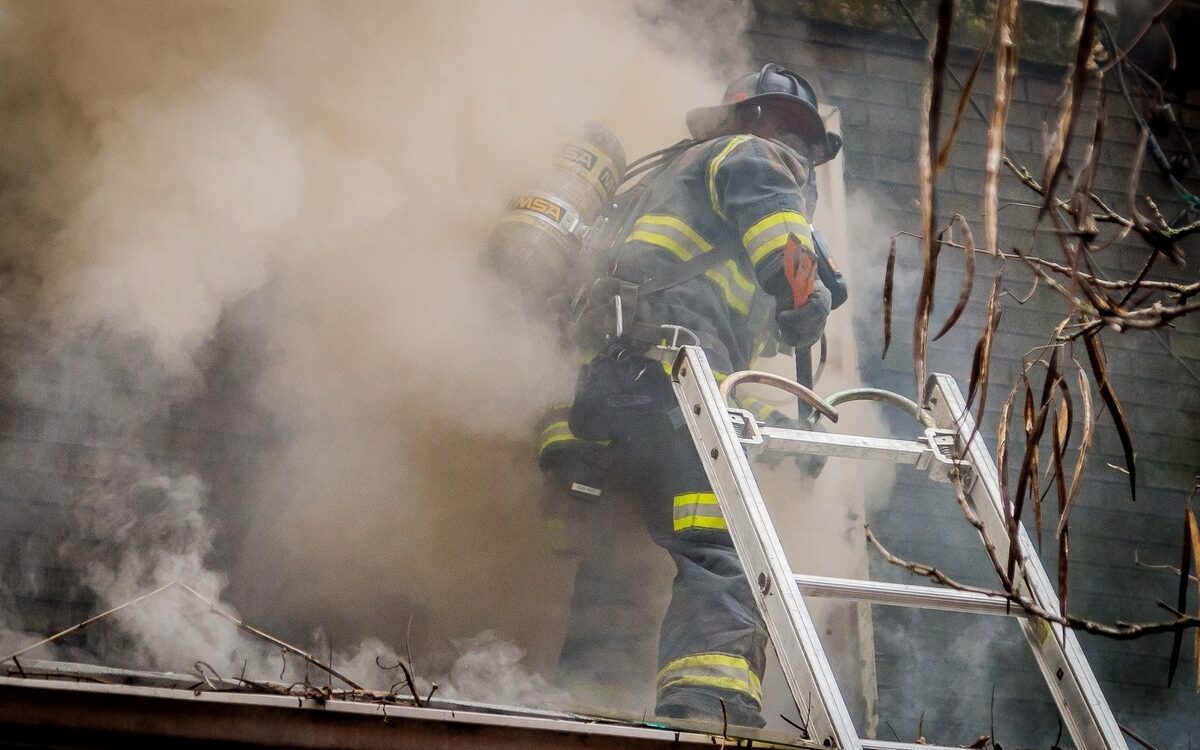
- Use self-contained breathing apparatus (SCBA) consistently during all phases of fire response including overhaul, not only during active suppression when smoke is most visible
- Remove and bag contaminated gear before re-entering the fire apparatus to limit secondary exposure during transport
- Shower and change clothes after every fire response to remove combustion residue from the skin and hair before it can be absorbed or inhaled
- Avoid smoking and vaping entirely, since tobacco use compounds the lung damage from occupational exposure and significantly accelerates disease progression
- Participate in regular pulmonary function testing as part of routine occupational health screening, regardless of whether you are currently experiencing symptoms
- Report new or changing respiratory symptoms to your physician promptly rather than attributing them to being out of shape or general fatigue
- Reduce diesel exhaust exposure at the station by ensuring adequate ventilation in apparatus bays and supporting the transition to electric-powered equipment where possible
7. Frequently Asked Questions
Some damage can occur after a single high-exposure incident, particularly from acute inhalation of toxic gases like hydrogen cyanide or carbon monoxide. Chronic lung conditions like COPD and fibrosis typically develop over years of repeated exposure rather than from a single event. However, the cumulative process begins from the first exposure, which is why baseline testing early in a career matters.
It depends on the type and extent of the damage and the specific fitness for duty standards of the department. Early-stage conditions that are well-managed may not affect fitness for duty. More advanced lung disease that limits aerobic capacity or oxygen exchange will typically be evaluated against departmental health standards. Regular monitoring gives firefighters the best chance of identifying and managing conditions before they reach a point that affects their ability to serve.
SCBA provides substantial protection when used correctly and consistently. However, SCBA is not always worn during all phases of a fire response, particularly during overhaul when visible smoke has cleared but toxic off-gassing from smoldering materials continues. Many documented cases of firefighter lung disease involve cumulative exposure during phases where respiratory protection was not used.
Many occupational health guidelines recommend annual or biennial pulmonary function testing for firefighters with regular smoke and chemical exposure. The appropriate frequency depends on your years of service, the nature of your exposures, and your current lung function status. Your provider can recommend a schedule based on your individual health profile. Patients in the Hackensack area can find details about what a full pulmonary evaluation involves through the cardiovascular and pulmonary testing clinic in Hackensack.
Symptoms that warrant prompt evaluation rather than routine monitoring include coughing up blood or blood-tinged mucus, sudden or rapidly worsening shortness of breath, chest pain that worsens with deep breathing, unexplained significant drop in exercise tolerance over a short period, and bluish coloring around the lips or fingertips indicating low blood oxygen.
Occupational lung disease coverage under workers compensation varies by state and jurisdiction. Many states have presumptive disability laws that cover certain cancers and respiratory conditions in firefighters, recognizing the occupational connection. Consulting with an occupational health physician who can document the relationship between your work history and your diagnosis is an important step in any compensation claim.
8. What Every Firefighter Should Understand About Their Lungs
Firefighting is a profession that demands physical capability, and the lungs are central to that capability. Every breath taken at a fire scene carries a cost that does not always present itself immediately. Firefighter smoke exposure works quietly, accumulating over years of service until the body can no longer compensate for the damage that has built up.
The firefighters who preserve their lung health over long careers are not necessarily the ones with the least exposure. They are the ones who take protection seriously, monitor their health consistently, and do not wait for symptoms to become severe before seeking evaluation.
Lung function that is lost to fibrosis or advanced COPD does not come back. The window for meaningful intervention is early, not late. Understanding that firefighter smoke exposure is a cumulative process rather than an acute event is the foundation of making informed decisions about respiratory health throughout a career and into retirement.
Key Takeaways
- Firefighter smoke exposure involves toxic gases, carcinogens, and fine particulate matter that penetrate deep into lung tissue with every incident
- Lung damage accumulates over a career and often produces no obvious symptoms until significant and sometimes irreversible changes have already occurred
- COPD, occupational asthma, pulmonary fibrosis, and lung cancer are the most commonly documented long-term conditions in career firefighters
- Some forms of lung damage can be managed when caught early while others, particularly fibrosis, cannot be reversed once established
- Regular pulmonary function testing is the primary clinical tool for detecting respiratory changes before they become permanent
- Consistent SCBA use, decontamination protocols, and avoiding tobacco are the most evidence-based steps for reducing cumulative lung damage
- Baseline testing early in a career creates a personal reference point that makes future changes far easier to detect and act on
Do Not Wait Until Breathing Becomes a Problem.
Lung damage from a career in firefighting is preventable, manageable, and detectable when identified early. If you have been putting off a pulmonary evaluation or have noticed changes in your breathing that you have been dismissing, now is the time to get a clear picture of where your lung health actually stands.