Why Cardiovascular and Pulmonary Testing Matters for Police, Fire, and EMS in Hackensack, NJ
First responders face some of the most physically demanding work environments in the country, which is why many departments throughout the region turn to Advanced Medical & Diagnostics Center for detailed cardiovascular and pulmonary evaluations. Police officers, firefighters, and EMS professionals endure unpredictable physical stress, long work hours, and high-intensity situations that test the limits of their heart and lung capacity. As these demands continue to increase, the need for structured health assessments has become essential for ensuring the safety, performance, and longevity of New Jersey’s emergency personnel. In this comprehensive guide, we explore why cardiovascular testing in Hackensack NJ matters, how it supports front-line workers, and what every department should understand about maintaining long-term health in the field.
Strong cardiopulmonary function is not simply recommended for public safety professionals; it is a foundational requirement for performing the duties expected of them. Whether they are climbing multiple flights of stairs, carrying heavy protective gear, pursuing suspects, or responding to medical emergencies, their bodies must react quickly and efficiently under extreme pressure. The clinicians at Advanced Medical & Diagnostics Center specialize in evaluating these exact challenges, ensuring that every responder receives evidence-based assessments that align with their occupational needs. This introduction sets the stage for why comprehensive testing is becoming a standard expectation across law enforcement, fire services, and emergency medical teams.
Why Heart and Lung Health Should Be a Priority for First Responders
The Impact of Physical Stress in Emergency Work
Emergency responders operate under conditions that consistently elevate cardiovascular strain. Police officers may transition from a stationary patrol to a sprint without warning. Firefighters lift hoses, climb ladders, and work inside extremely hot environments that place immense demand on the heart and lungs. EMS workers carry patients, handle heavy equipment, and perform medical procedures while maintaining rapid situational awareness. These high-stress moments are precisely why cardiovascular testing in Hackensack NJ is widely recommended among agencies that want to monitor health risks before they lead to more serious complications.
Studies from the American Heart Association show that sudden cardiac events are a leading cause of line-of-duty deaths among firefighters and a significant risk for law enforcement professionals as well (American Heart Association, 2023). Medical literature also highlights that underlying cardiovascular conditions often remain undetected until they are triggered by intense physical activity. Regular monitoring provides early insight into potential problems and creates opportunities for intervention long before symptoms escalate.
Understanding Respiratory Challenges Unique to Each Field
While all responders depend on strong lung function, each discipline encounters different environmental exposures. Firefighters, for instance, face smoke, particulate matter, chemical fumes, and extreme heat. Over time, these exposures may reduce lung capacity or contribute to chronic respiratory issues if not identified early. Cardiovascular testing in Hackensack NJ often includes pulmonary function evaluations to determine how well the lungs expand and process oxygen in stressful environments.
Police officers and EMS personnel may not face the same airborne irritants as firefighters, but they still rely heavily on optimal breathing performance for endurance, cognitive clarity, and rapid decision-making. Even mild respiratory impairments can compromise effectiveness in the field.
What Cardiovascular Testing Actually Measures
Evaluating Heart Rate, Blood Flow, and Circulation
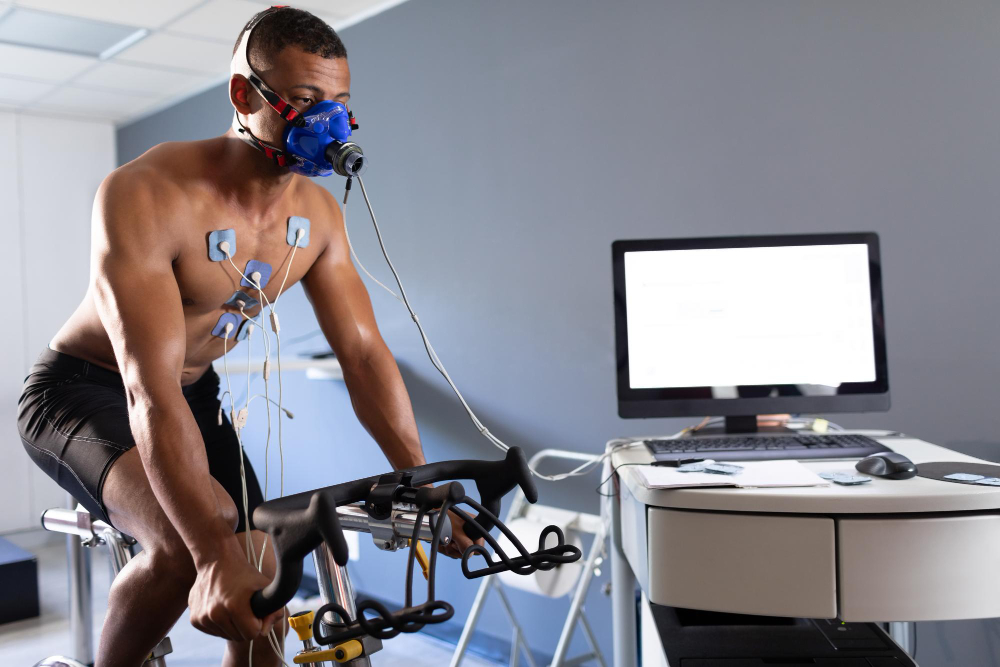
Cardiovascular assessments are designed to measure how the heart performs during rest and under physical strain. Many of the evaluations used during cardiovascular testing in Hackensack NJ include treadmill or cycle-based protocols that gradually increase intensity. These tests track heart rate, blood flow efficiency, blood pressure patterns, and electrical activity to determine whether the heart responds appropriately to stress.
A key goal is to identify abnormalities that may not appear during routine check-ups. For example, arrhythmias, reduced cardiac output, or delayed recovery rates may become apparent only during structured exercise evaluations. When detected early, they can be managed safely through medical guidance and lifestyle modifications.
Measuring Oxygen Consumption and Endurance
A significant component of these assessments includes VO2 max testing, which calculates how efficiently the body utilizes oxygen during exertion. This metric is a strong predictor of cardiovascular resilience. High aerobic capacity helps first responders perform longer, recover faster, and remain mentally sharp throughout demanding tasks. When first responders participate in cardiovascular testing in Hackensack NJ, clinicians analyze how well their heart, lungs, and muscles work together to sustain energy output.
Identifying Thresholds of Physical Capability
Every individual has personal limits based on age, conditioning, and overall health. Testing helps define these boundaries to prevent unnecessary strain or injury. For example, a firefighter with excellent strength but reduced endurance may struggle during prolonged rescues or ventilation operations. Cardiovascular testing in Hackensack NJ helps pinpoint these discrepancies and provides actionable insights for training improvements.
The Role of Pulmonary Function Testing in First Responder Safety
Why Lung Capacity Matters in High-Stress Operations
Pulmonary function tests evaluate airflow strength, lung volume, and the ability to move oxygen efficiently into the bloodstream. For firefighters, even minor reductions in lung capacity can affect performance while wearing heavy protective gear or working inside smoke-filled structures. For police and EMS professionals, pulmonary efficiency supports decision-making, stamina, and the ability to stay alert during long shifts.
Testing often includes spirometry, diffusion capacity evaluations, and respiratory resistance measurements. Combined with cardiovascular testing in Hackensack NJ, these assessments give agencies a complete picture of how well responders can handle real-world physical demands.
Detecting Respiratory Conditions Before They Become Debilitating
Many respiratory issues develop slowly. Asthma, chronic bronchitis, airway inflammation, or smoke-related irritation may not be easily noticeable in early stages. Catching these concerns early allows responders to take corrective steps, receive treatment, or adjust workload expectations based on medical guidance. These proactive measures reduce long-term risks and help maintain career longevity.
How First Responders Benefit From Combined Cardiopulmonary Testing
A Holistic View of Physical Readiness
When both cardiovascular and pulmonary results are evaluated together, departments gain a detailed understanding of their team’s operational capabilities. This holistic approach is one of the reasons many agencies request cardiovascular testing in Hackensack NJ on an annual or biannual schedule. The information helps determine whether responders are physically prepared for high-stress roles or if they require targeted conditioning.
Detecting Risks That Standard Physicals May Miss
Routine physical exams often measure basic vital signs and general wellness indicators. They do not typically assess response to intense exertion. Issues such as exercise-induced arrhythmias, low oxygen efficiency, or poor recovery rates only become visible during structured testing. This level of precision helps reduce avoidable medical emergencies in the field.
Supporting Professional Development And Training Programs
Training coordinators often use testing results to design personalized fitness regimens. Whether a responder needs better endurance, improved breathing strength, or cardiovascular conditioning, these insights create safer and more effective programs. As agencies continue investing in cardiovascular testing in Hackensack NJ, more responders are equipped to meet the physical expectations of their roles.
How Cardiovascular Testing Helps Reduce On-Duty Medical Emergencies
Identifying High-Risk Responders Early
One of the most significant advantages of cardiovascular testing in Hackensack NJ is its ability to identify high-risk responders before a serious medical event occurs. Many cardiac issues present no noticeable symptoms until they are triggered by intense physical stress. First responders often experience these stressors without warning, which increases the risk of sudden cardiac incidents. By evaluating heart rhythm, blood pressure patterns, and oxygen utilization, clinicians can detect abnormalities that require intervention. These findings help responders take proactive steps to protect their long-term health and maintain career readiness.
Understanding Occupational Risk Factors
Different emergency professions carry unique cardiovascular risks. Firefighters routinely work in environments with extreme heat and hazardous air conditions. Police officers face sudden bursts of physical exertion during traffic stops, foot pursuits, or critical incidents. EMS personnel frequently lift and transport patients under urgent conditions. These factors contribute to a higher-than-average risk of cardiac stress compared to the general population. The insights gained through cardiovascular testing in Hackensack NJ help departments tailor wellness programs, set realistic performance expectations, and plan safer work rotations.
How Departments Use Testing Results To Improve Training
Building Personalized Fitness Profiles
Testing data provides departments with measurable benchmarks for each responder. These benchmarks help training coordinators design individualized fitness plans that support heart health, respiratory strength, and overall stamina. For instance, a firefighter whose oxygen efficiency falls below recommended levels may require endurance-based exercises to improve aerobic capacity. A police officer with elevated blood pressure during stress testing may benefit from tailored cardiovascular training. These insights are rooted in the detailed information collected during cardiovascular testing in Hackensack NJ, allowing departments to make informed decisions that enhance overall performance.
Improving Functional Training Programs
Functional training aims to replicate real-world job demands. When departments understand how the heart and lungs respond to actual physical stressors, they can construct training environments that gradually improve tolerance and resilience. For example, agencies may integrate high-intensity interval training, circuit training, or stair-climbing drills based on the responder’s testing results. Cardiovascular testing in Hackensack NJ provides specific data points that guide safe and efficient progression, reducing the likelihood of injury or overexertion during training sessions.
Enhancing Team Readiness And Coordination
Team-level readiness depends on the collective health and capability of all responders. Agencies that incorporate cardiopulmonary evaluations into their annual processes gain a comprehensive view of team performance. This allows administrators to identify strengths, gaps, and opportunities for improvement. When responders undergo cardiovascular testing in Hackensack NJ as a group, departments can better coordinate training assignments, modify deployment schedules, and ensure consistent coverage across various levels of physical demand.
Why Combined Cardiopulmonary Testing Supports Career Longevity
Monitoring Health Changes Over Time
Long-term tracking of heart and lung function helps responders and healthcare teams recognize trends that may signal emerging issues. A steady decline in endurance, erratic heart rate responses, or reduced lung capacity can indicate early-stage conditions that require medical attention. Many departments adopt a routine schedule for cardiovascular testing in Hackensack NJ because consistent monitoring provides a clearer picture of health progression than one-time evaluations. This approach allows responders to make strategic lifestyle adjustments and receive timely care.
Promoting Safer Aging In Physically Demanding Roles
The average age of first responders continues to rise, with many professionals working later into their careers. While experience is invaluable, aging increases the risk of cardiovascular strain, reduced lung function, and slower recovery times. Cardiovascular testing in Hackensack NJ helps aging responders understand how their bodies are adapting to ongoing physical stress. These insights support safer workload distribution, realistic performance expectations, and responsible medical clearances that help extend career longevity while safeguarding responder well-being.
Supporting Mental Health And Confidence
Physical readiness and mental confidence are closely connected. When responders know they are performing at a healthy cardiovascular and respiratory level, they tend to feel more secure and focused during high-stress calls. Conversely, undetected health concerns may contribute to worry, hesitation, or reduced situational awareness. Cardiovascular testing in Hackensack NJ gives responders clarity about their current health status, reducing worry and helping them approach their duties with renewed confidence.
How Testing Strengthens Department Policies And Compliance
Meeting State And Agency Requirements
Many agencies require annual or biannual fitness evaluations as part of their occupational health standards. These requirements help reduce the risk of on-duty medical events and ensure responders can perform essential duties safely. Cardiovascular testing in Hackensack NJ aligns with these guidelines by offering evidence-based assessments that meet local, state, and federal standards. Departments can use documented results to verify compliance and maintain well-established wellness programs.
Supporting Grant Applications And Funding Requests
Departments often apply for grants to support new equipment, training programs, or wellness initiatives. Demonstrating a commitment to health monitoring strengthens their applications. When agencies incorporate cardiovascular testing in Hackensack NJ into their annual processes, they can present measurable proof of their efforts to enhance safety and reduce preventable injuries. This documentation often positions them more competitively for funding opportunities.
Standardizing Fit-For-Duty Evaluations
The goal of a fit-for-duty evaluation is to verify whether a responder can safely perform essential tasks. Cardiopulmonary assessments provide objective data that supports these decisions. Testing results help administrators determine whether a responder is physically able to handle critical responsibilities. Cardiovascular testing in Hackensack NJ ensures that evaluations are fair, consistent, and based on measurable health indicators rather than subjective impressions.
How Advanced Medical & Diagnostics Center Supports First Responder Wellness
A Comprehensive Approach To Diagnostic Evaluation
Advanced Medical & Diagnostics Center combines advanced equipment, systematic protocols, and experienced clinicians to provide thorough cardiopulmonary testing for emergency personnel. The center’s specialists understand the unique demands of police, fire, and EMS work, which is why cardiovascular testing in Hackensack NJ is performed with precision and occupational relevance. Each evaluation includes detailed reporting, clear explanations, and evidence-based recommendations to support long-term wellness.
Integration With Other Health Services
Beyond cardiac and pulmonary evaluations, the center offers additional diagnostic and wellness services that support whole-person health. Many responders appreciate being able to coordinate multiple evaluations in one location. While focusing on cardiovascular testing in Hackensack NJ, responders can also access other services that contribute to injury prevention, recovery, and occupational readiness.
How Cardiovascular And Pulmonary Testing Protects Responders During Real Emergencies
Enhancing Safety During High-Risk Operations
During intense, unpredictable events, responders must rely on peak physical performance. Cardiovascular testing in Hackensack NJ allows departments to verify that each team member has the endurance and oxygen efficiency required for stressful environments. When responders understand their capabilities, they can distribute tasks more effectively, prevent overexertion, and maintain safer operational strategies during fires, rescues, or rapidly evolving law enforcement incidents.
Ensuring Effective Decision-Making Under Stress
Strong cardiopulmonary function directly supports cognitive performance. When the heart and lungs work efficiently, the brain receives a stable supply of oxygen, which helps responders make fast and accurate decisions. Cardiovascular testing in Hackensack NJ helps identify when a responder may struggle to sustain performance during prolonged strain. Addressing these issues early creates safer outcomes for both the responder and the community.
Reducing Fatigue-Related Errors
Many on-duty injuries stem from fatigue or diminished cardiovascular capacity. Fatigue affects judgment, coordination, and reaction time. By participating in ongoing cardiovascular testing in Hackensack NJ, responders gain clarity about their endurance levels, which helps agencies assign tasks appropriately and implement safer work-rest cycles during emergencies.
Why Departments Choose Advanced Medical & Diagnostics Center
Industry-Specific Expertise
The specialists at Advanced Medical & Diagnostics Center understand the distinct physical challenges faced by police, fire, and EMS personnel. The center has adopted protocols built to evaluate the demands of real-world fieldwork, which makes cardiovascular testing in Hackensack NJ uniquely effective for occupational readiness assessments.
Clear, Interpretable Results
Responders receive detailed reports that highlight strengths, potential risks, and areas where improvement may be needed. These reports are practical tools that help individuals track progress over time. Many departments integrate these results into their annual training and wellness strategies, making cardiovascular testing in Hackensack NJ a pillar of long-term health planning.
Coordination With Department Wellness Goals
Departments often seek ways to build a culture of health and readiness. The center’s clinicians collaborate with administrators to understand goals, challenges, and team expectations. This collaboration ensures that the data from cardiovascular testing in Hackensack NJ is meaningful, actionable, and aligned with the department’s operational mission.
Frequently Asked Questions
First responders perform sudden, high-intensity tasks that significantly elevate heart strain. Activities such as climbing stairs with heavy equipment, running to emergencies, or lifting patients require strong cardiovascular resilience. Cardiovascular testing in Hackensack NJ helps detect issues that may not appear during routine exams and provides early warnings that support safer job performance.
Most departments benefit from annual evaluations, although some high-demand units may require more frequent assessments. Regular cardiovascular testing in Hackensack NJ helps track changes over time, identify developing risks, and verify fitness for duty based on measurable data rather than subjective judgment.
Pulmonary testing identifies conditions such as reduced lung capacity, asthma, airway inflammation, or smoke-related irritation. When combined with cardiovascular testing in Hackensack NJ, these evaluations offer a stronger understanding of overall respiratory and heart performance, especially for firefighters exposed to smoke or chemical inhalation.
While cardiopulmonary tests involve physical exertion, they are conducted under controlled conditions with professional medical supervision. The goal is not to create unnecessary strain but to understand how the heart and lungs respond to increasing levels of activity. Many responders find cardiovascular testing in Hackensack NJ manageable and appreciate the insight it provides.
Yes, many clinics accommodate department-wide testing to streamline scheduling and maintain consistent evaluation standards. Agencies often schedule group sessions to meet annual compliance requirements and ensure all personnel undergo cardiovascular testing in Hackensack NJ together for uniform assessment and reporting.
First responders carry the responsibility of protecting communities, and maintaining strong cardiovascular and pulmonary health is essential for meeting the demands of their work. Comprehensive evaluations help detect risks early, strengthen department readiness, and preserve the long-term well-being of police officers, firefighters, and EMS personnel. If your department or agency is ready to prioritize responder wellness, Advanced Medical & Diagnostics Center offers thorough and occupation-specific cardiovascular testing in Hackensack NJ to support safer performance in the field. Visit our Hackensack NJ office to schedule your appointment today.