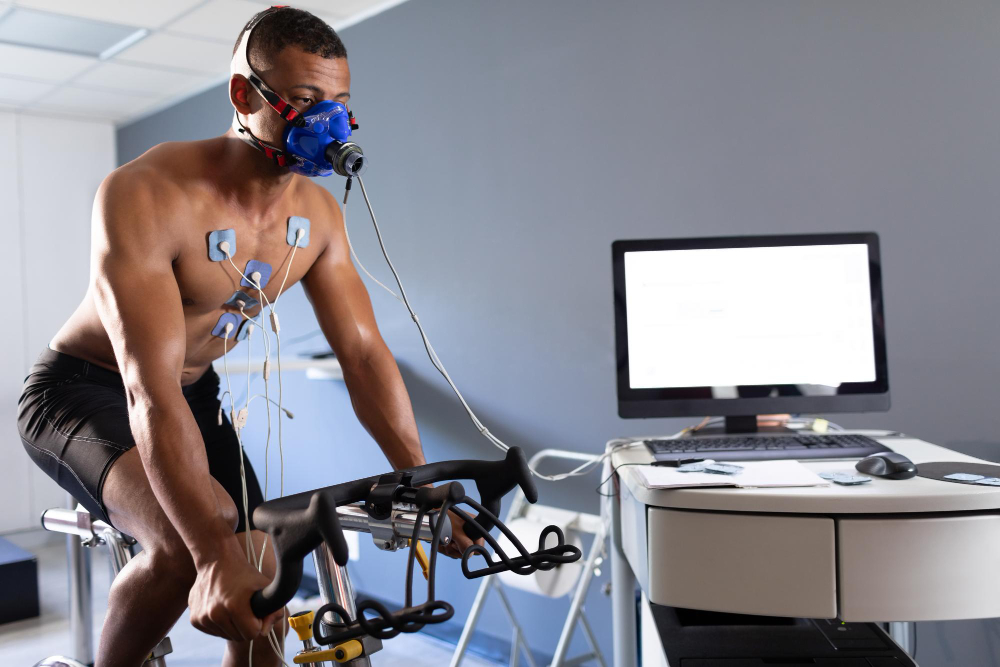
Advanced Medical & Diagnostic Center

cardiopulmonary testing in Hackensack NJ at Advanced Medical & Diagnostic Center

Why Cardiopulmonary Testing in Hackensack, NJ Can Save Your Life – Surprising Insights

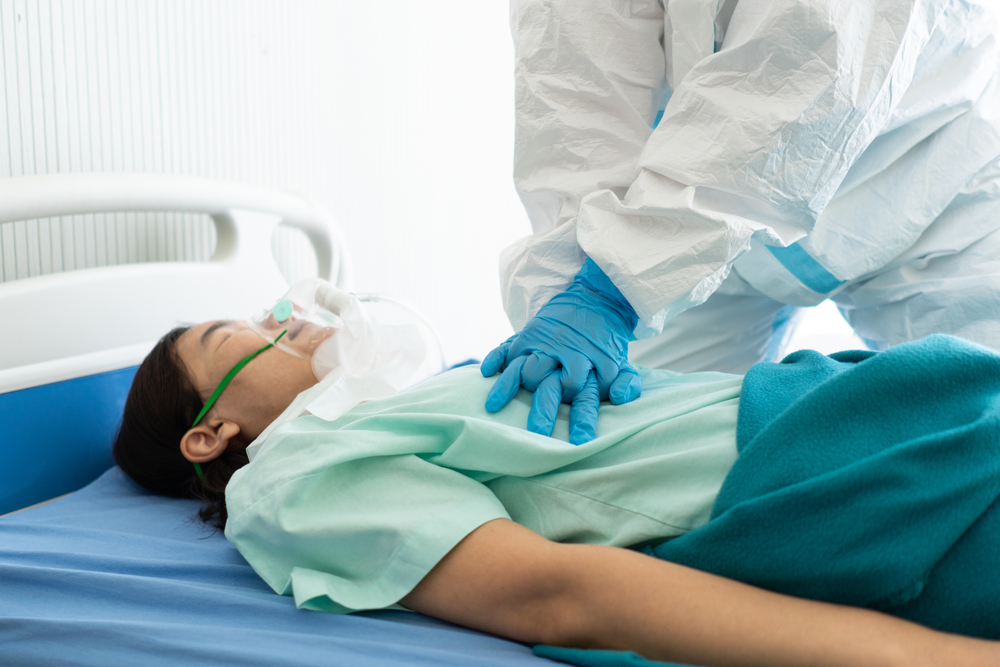
Why Cardiopulmonary Testing in Hackensack, NJ Can Save Your Life – Surprising Insights Cardiopulmonary testing in Hackensack NJ is a powerful way to understand how your heart and lungs work together every day. At Advanced Medical & Diagnostic Center, we’ve seen how this test can uncover silent health issues early and help people make the changes that keep them healthy for the long run. This test is especially important for first responders, police officers, firefighters, EMS workers, and municipal employees who face physical and emotional stress every day. Understanding your body’s limits and strengths can help prevent sudden health problems and improve your quality of life. How Your Heart and Lungs Work Together Your heart and lungs are constantly in sync. They deliver oxygen to your body, remove carbon dioxide, and fuel every breath and heartbeat. Cardiopulmonary testing shows how well these two systems perform during rest and under pressure. Why This Matters Many heart and lung conditions develop slowly without clear symptoms. That’s why proactive testing is essential. The American Lung Association notes that chronic lung disease affects millions of Americans, yet many are unaware until symptoms worsen. Catching these changes early can save lives. What Happens During the Test If you’ve never done this type of evaluation before, don’t worry. Cardiopulmonary testing in Hackensack NJ is simple, noninvasive, and performed under professional supervision. Step-by-Step Before the test: You’ll be asked to avoid caffeine, smoking, or heavy meals. At the start: A technician checks your heart rate, blood pressure, and oxygen level. During the test: You’ll walk on a treadmill or pedal a bike while breathing through a mouthpiece that measures oxygen and carbon dioxide. Afterward: You’ll rest while your heart and lungs recover, and the staff monitors how quickly your body returns to normal. The test provides clear insights into how efficiently your body uses oxygen and how strong your heart and lungs are under stress. Why This Test Can Be Life-Saving For many people, cardiopulmonary testing reveals conditions that would have gone unnoticed for years. The Value of Early Detection According to the Centers for Disease Control and Prevention, heart disease is the leading cause of death in the United States. By identifying small problems before they become emergencies, this test helps you take control of your health and prevent life-threatening events like heart attacks or lung failure. Personalized Care You Can Trust Every patient is different. At Advanced Medical & Diagnostic Center, we personalize your care plan based on your test results, your job, and your lifestyle. Whether you’re a firefighter exposed to smoke or an officer managing daily stress, our team helps you stay ahead of potential risks. Why First Responders Should Prioritize Cardiopulmonary Testing First responders have some of the most physically demanding and stressful jobs. They deal with high-pressure environments, unpredictable schedules, and exposure to hazardous materials. Over time, this can take a serious toll on heart and lung function. The Risks You Might Not See Firefighters breathe in smoke and toxins that can weaken their lungs. Police officers often work under constant stress that raises blood pressure and heart strain. EMS workers face long shifts, sleep loss, and intense calls that affect their overall health. The U.S. Fire Administration confirms that cardiovascular issues remain one of the top causes of on-duty firefighter deaths. Regular cardiopulmonary testing gives these professionals a way to monitor their health and take preventive steps before something serious happens. When to Get Checked You don’t have to wait for symptoms to appear before getting tested. Cardiopulmonary testing in Hackensack NJ is useful for anyone who wants a clearer picture of their heart and lung health. Signs That Shouldn’t Be Ignored Shortness of breath during normal activity Constant fatigue or lack of energy Chest pain, tightness, or discomfort Wheezing or persistent cough Even mild symptoms can be your body’s way of signaling that something isn’t right. Getting tested early helps you stay proactive instead of reactive. What This Test Can Reveal Cardiopulmonary testing identifies several key conditions that often develop quietly over time. COPD and Breathing Disorders Chronic obstructive pulmonary disease (COPD) limits airflow and makes breathing harder. More than 316,000 deaths among employed Americans in 2020 were linked to COPD (CDC, 2022). Testing allows doctors to identify COPD early and start treatment right away. Asthma and Lung Sensitivity The test shows how your lungs respond to stress or medication, helping your provider manage asthma more effectively. Heart Conditions If your oxygen levels drop or your heart rate recovers slowly, it may be an early sign of heart disease or reduced cardiovascular function. Pulmonary Hypertension Testing can uncover increased blood pressure in the lungs, which can cause fatigue, chest discomfort, or shortness of breath. Turning Results Into Real Health Progress The results of your cardiopulmonary test are more than just numbers. They’re a map of how your body functions and how you can improve it. How Results Guide Your Care Your provider may recommend exercise programs, nutrition changes, or adjustments to your medication. If you are receiving treatments like Testosterone Replacement Therapy, this test helps determine whether your therapy is improving cardiovascular performance and endurance. Tracking Your Progress Over Time Follow-up testing can show how your health improves as you make changes. It’s a motivating way to see your progress and stay accountable to your long-term health goals. Getting Ready for Your Appointment A little preparation goes a long way toward getting the most accurate results. Skip caffeine, alcohol, and smoking for 24 hours before the test. Eat light meals and drink plenty of water. Wear comfortable clothes and shoes. Bring a list of medications and discuss them with your provider. Arrive early so you can relax before testing begins. Our team at Advanced Medical & Diagnostic Center will make sure you’re comfortable and informed at every step. Why Patients Choose Advanced Medical & Diagnostic Center We believe in treating people, not just conditions. That’s why our cardiopulmonary testing is designed to be supportive, educational, and easy to

cardiopulmonary testing in Hackensack NJ at Advanced Medical & Diagnostic Center

The Definitive Guide to Cardiopulmonary Testing in Hackensack, NJ: What Patients Must Know

The Definitive Guide to Cardiopulmonary Testing in Hackensack, NJ: What Patients Must Know Cardiopulmonary testing in Hackensack NJ is a vital way to understand how your heart and lungs are working together. At Advanced Medical & Diagnostic Center in Hackensack and Wayne, we focus on helping first responders, municipal workers, union members, and their families take charge of their health through early detection and personalized care. This guide will explain what cardiopulmonary testing is, why it matters, and what to expect during the process. What Is Cardiopulmonary Testing? Cardiopulmonary testing is a noninvasive evaluation that measures how well your body delivers and uses oxygen. It looks at the relationship between your heart, lungs, and muscles both at rest and during activity. Why It Matters It detects early signs of conditions like asthma, COPD, and cardiovascular disease. It shows how well your body handles exercise and oxygen delivery. It helps doctors design treatment plans based on your unique results. According to the American Lung Association, chronic lung disease affects millions of people in the United States, often without early warning signs. Testing provides a way to catch these issues before they worsen. Why Cardiopulmonary Testing Is Essential for First Responders Police officers, firefighters, and EMS professionals face demanding work environments. Stress, smoke exposure, physical strain, and long hours all take a toll on cardiopulmonary health. Job-Related Risks Firefighters may develop lung problems from repeated smoke and chemical exposure. Police officers experience high stress that can increase cardiovascular risk. EMS workers often deal with fatigue and irregular schedules that impact health. Cardiovascular problems remain one of the leading causes of on-duty deaths in firefighters. The U.S. Fire Administration highlights cardiovascular wellness as a top priority for prevention. How Cardiopulmonary Testing Works Preparing for the Test Patients are asked to avoid caffeine, smoking, and strenuous activity beforehand. Comfortable clothing makes it easier to perform exercise stages. Resting Measurements At the start, your care team records baseline numbers like heart rate, blood pressure, and oxygen levels. Exercise Stage You walk on a treadmill or use a stationary bike while wearing a mask or mouthpiece that measures oxygen intake and carbon dioxide output. The test also records heart and breathing rates in real time. Recovery After exercise, you are monitored while your body returns to normal. How quickly your system recovers offers important insight into your overall health. Benefits of Cardiopulmonary Testing in Hackensack NJ People With Symptoms Shortness of breath Chest discomfort with activity Unexplained fatigue Reduced exercise tolerance High-Risk Groups First responders and municipal workers Individuals with family history of lung or heart disease Patients living with chronic conditions like diabetes, high blood pressure, or COPD What to Expect at Your Appointment When you schedule cardiopulmonary testing at our Hackensack office, you can expect thorough care and a supportive environment. Our team explains each step, answers questions, and ensures your comfort throughout the process. We also provide the same testing at our Wayne office, giving patients across northern New Jersey flexible options for care. Conditions Identified by Cardiopulmonary Testing COPD Chronic obstructive pulmonary disease is a major cause of illness in the U.S. It can often be linked to smoking or occupational exposure. In 2020, nearly 10 percent of deaths in certain worker groups involved COPD as a contributing factor (CDC, 2022). Asthma Testing helps assess airway responsiveness and provides data for treatment adjustments. Heart Failure Cardiopulmonary testing can reveal reduced oxygen efficiency, a common sign of heart failure or poor cardiac function. Pulmonary Hypertension Abnormal results can point to increased blood pressure in the lungs, a condition that benefits from early treatment. Cardiopulmonary Testing as Preventive Care Preventive healthcare is central to our mission at Advanced Medical & Diagnostic Center. Cardiopulmonary testing gives you a clear picture of your health and helps you take action before small issues become serious conditions. For first responders, early detection may be life-saving, allowing them to stay fit and ready for the demands of their careers. Why Choose Advanced Medical & Diagnostic Center Not all testing centers are the same. At Advanced Medical & Diagnostic Center, our approach to cardiopulmonary testing in Hackensack NJ is built on personalized care and a deep understanding of our patients’ needs, especially first responders and their families. We know that firefighters, police officers, and EMS workers face health risks that require extra attention. Specifically, the following: Expertise in serving first responders and families Two convenient locations in Hackensack and Wayne Comprehensive services that include Cardiovascular and Pulmonary Testing and wellness therapies Personalized care focused on long-term prevention and health management You can also find us on Google Business to check reviews, hours, and directions. How to Prepare for Cardiopulmonary Testing in Hackensack NJ Preparing for your test is simple, but following instructions helps ensure the most accurate results. Patients are advised to avoid heavy meals, caffeine, alcohol, and smoking before their appointment. Wearing loose, comfortable clothing and sneakers is also recommended since you will likely perform some physical activity during the test. Another important part of preparation is medication review. Some medications may affect heart rate, blood pressure, or breathing. Before your appointment, our team will review your medical history and current prescriptions to determine if adjustments are needed. Arriving a few minutes early also helps you settle in, reduce stress, and ensure that your results reflect your normal baseline. Following these steps makes the experience smoother and gives you reliable, meaningful results that your doctor can use to guide your care. Frequently Asked Questions 1. How long does cardiopulmonary testing take? Most tests last between 45 and 90 minutes, depending on your needs and response to exercise. 2. Is cardiopulmonary testing safe? Yes, it is safe. The test is noninvasive and closely monitored by trained professionals. 3. Do I need a referral? Some patients are referred by their doctor, but you can also schedule directly with Advanced Medical & Diagnostic Center. 4. Will my insurance cover this test? Coverage depends on your plan. Our staff can help check

Cardiovascular testing Hackensack NJ stress test for first responders

Heart Health for Hackensack Heroes: Cardiovascular Testing Tailored to First Responders

Heart Health for Hackensack Heroes: Cardiovascular Testing Tailored to First Responders At Advanced Medical & Diagnostics Center in Hackensack, NJ, the health and safety of first responders is a top priority. Police officers, firefighters, and emergency medical professionals put their bodies under intense pressure each day, often without recognizing the silent toll it can take on their hearts. This is why cardiovascular testing Hackensack NJ at Advanced Medical & Diagnostics Center is more than a routine checkup—it is a lifeline for those who dedicate themselves to protecting others. Heart disease remains a leading cause of illness and death in the United States, and first responders face heightened risks due to stress, physical exertion, and irregular schedules. By prioritizing regular cardiovascular evaluations at Advanced Medical & Diagnostics Center, first responders can protect their health, extend their careers, and stay strong for the community they serve. Why Cardiovascular Testing is Critical for First Responders First responders are exposed to conditions that significantly raise cardiovascular risks. Sudden bursts of activity, heavy equipment, extreme weather, and mental stress are daily challenges. Over time, these demands can strain the cardiovascular system. Cardiovascular testing helps detect issues early, including hypertension, arrhythmias, or restricted blood flow. Identifying these conditions before they escalate is essential. According to the Mayo Clinic (2023), preventive cardiovascular screenings reduce the likelihood of sudden cardiac events, which are more common in high-stress professions.  Types of Cardiovascular Testing Available in Hackensack Electrocardiogram (ECG)An ECG records the heart’s electrical activity and helps detect irregular rhythms, which can signal underlying conditions that may put a first responder at risk during duty. Stress TestingThis test monitors heart function during exercise, simulating the physical stress first responders encounter in real-life emergencies. Stress testing is one of the most common procedures included in cardiovascular testing Hackensack NJ clinics provide. EchocardiogramUsing ultrasound technology, this test produces images of the heart to assess structural health, blood flow, and potential valve issues. Lipid And Cholesterol ScreeningBlood work remains a fundamental tool for evaluating long-term cardiovascular health and detecting risks that might otherwise remain hidden.  Tailoring Screenings To Occupational Needs Not all professions require the same level of heart health monitoring, but first responders face unique risks. For firefighters, heat stress and heavy exertion can trigger heart strain. Police officers often encounter high-adrenaline situations that increase blood pressure. EMTs face irregular hours, adding fatigue and stress that impact the cardiovascular system. Because of these occupational hazards, cardiovascular testing Hackensack NJ providers like Advanced Medical & Diagnostics Center customize screenings. By focusing on endurance, recovery time, and stress resilience, medical professionals ensure that first responders get the most accurate picture of their health. The Role of Preventive Care in Protecting Heart Health Preventive care is a cornerstone of long-term health for first responders. Routine cardiovascular evaluations act as early warning systems, identifying issues before they require hospitalization. Regular checkups are also an opportunity to educate first responders about lifestyle modifications—balanced nutrition, stress management, and regular fitness routines—that support optimal heart performance. The National Institutes of Health (NIH, 2022) emphasizes that preventive testing is especially critical for individuals in physically demanding careers. For first responders in Hackensack, scheduling cardiovascular screenings with Advanced Medical & Diagnostics Center means reducing the risk of on-duty emergencies and ensuring that their service to the community is sustainable. Local Access to Advanced Cardiovascular Testing in Hackensack Hackensack is home to advanced facilities designed to meet the needs of local first responders. Clinics like Advanced Medical & Diagnostics Center specialize in cardiovascular testing Hackensack NJ, using state-of-the-art technology to deliver accurate results and personalized care. First responders benefit from working with providers who understand the unique risks of their profession. Beyond basic screenings, these centers focus on occupational safety, ensuring that each evaluation directly supports a responder’s ability to perform safely in the field.  How Testing Supports Long-Term Careers A career as a first responder is physically and emotionally demanding. Without preventive action, heart-related conditions can end careers prematurely. By committing to cardiovascular testing Hackensack NJ at Advanced Medical & Diagnostics Center, first responders extend their ability to serve and protect. Testing identifies risk factors that may require simple interventions such as medication adjustments or lifestyle changes. These small steps can prevent major complications, allowing first responders to remain strong throughout their service and into retirement.  How Cardiovascular Testing Improves On-Duty Safety For first responders, being physically fit is not enough. Even those who appear strong and healthy may have underlying conditions that only cardiovascular testing can reveal. A hidden arrhythmia or arterial blockage can put both the responder and the public at risk during a high-pressure call. At Advanced Medical & Diagnostics Center, cardiovascular testing Hackensack NJ ensures that every first responder is medically cleared to perform their duties safely. By identifying silent threats, these evaluations help reduce sudden health emergencies in the field, protecting lives on both sides of the emergency. The Link Between Stress And Cardiovascular Health Stress is an unavoidable part of first responder work, but it is also a major contributor to heart disease. Chronic stress elevates blood pressure, disrupts sleep, and accelerates arterial damage. Research from the American Heart Association highlights that ongoing stress is directly linked to increased risks of hypertension and heart disease, especially in high-pressure professions (AHA, 2023). For first responders, stress is not occasional—it is constant. This makes regular cardiovascular evaluations essential for early intervention and stress-related heart health monitoring.  Lifestyle Recommendations To Support Heart Health While medical testing is vital, lifestyle habits play an equally important role in cardiovascular well-being. Doctors at Advanced Medical & Diagnostics Center often recommend simple but effective strategies for first responders: Balanced nutrition: Prioritize vegetables, lean proteins, and heart-healthy fats. Consistent exercise: Include both aerobic activity and strength training for overall cardiovascular fitness. Adequate rest: Prioritize sleep hygiene to offset irregular shifts. Stress management: Use breathing techniques, counseling, or structured downtime to reduce stress overload. Together with cardiovascular testing Hackensack NJ, these lifestyle adjustments create a comprehensive approach to protecting long-term heart health.  Community

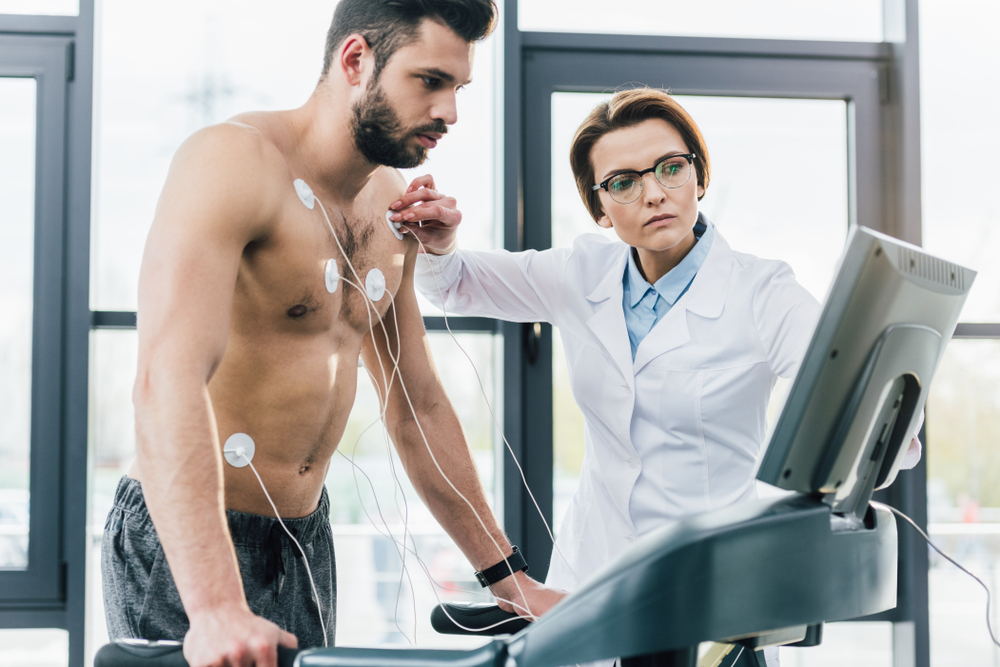
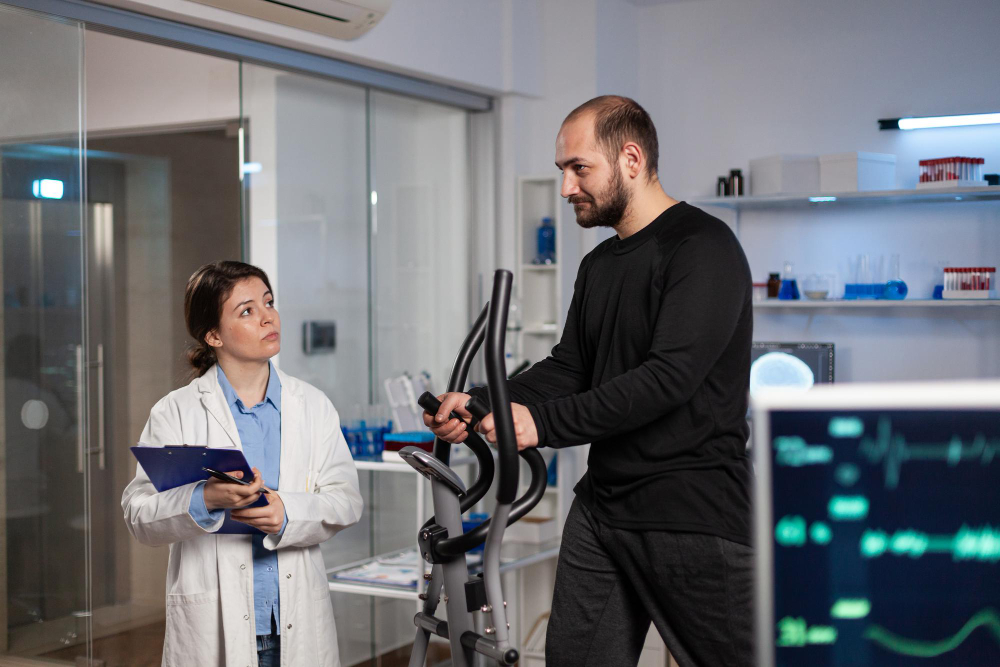
First responder undergoing cardio-pulmonary testing in Hackensack NJ with doctor supervision

Early Detection Matters: Cardio-Pulmonary Testing in Hackensack, NJ for First Responders

Early Detection Matters: Cardio-Pulmonary Testing in Hackensack, NJ for First Responders At Advanced Medical & Diagnostics Center in Hackensack, NJ, we understand the physical and emotional demands placed on first responders. Firefighters, police officers, and emergency medical technicians push their bodies to the limit, often in unpredictable environments. Because their work requires peak performance, preventive healthcare is essential. One of the most effective tools for safeguarding their well-being is cardio-pulmonary testing in Hackensack NJ. These evaluations allow providers to detect heart and lung conditions early, reducing the risk of sudden health crises and helping first responders continue serving the community with strength and resilience.  Why Cardio-Pulmonary Testing Matters for First Responders First responders face higher rates of cardiovascular disease and respiratory complications than the general population. The physical strain of carrying heavy equipment, the stress of life-or-death decisions, and exposure to hazardous environments increase their vulnerability to hidden health conditions. Routine cardio-pulmonary testing in Hackensack NJ ensures that potential issues are uncovered before they escalate. For responders who rely on their strength and stamina, early detection can mean the difference between safe duty and medical emergencies. Health Challenges Faced by First Responders Exposure to smoke, chemicals, and environmental toxins Elevated stress and irregular schedules disrupting recovery High-intensity exertion during emergency calls Increased risk of heart disease and hypertension When these challenges go unmonitored, the consequences can be severe. Structured cardio-pulmonary evaluations help reduce those risks and promote long-term well-being. What Cardio-Pulmonary Testing Involves Cardio-pulmonary testing assesses how the heart and lungs work together to deliver oxygen to the body, especially during exertion. For first responders, this data provides valuable insights into whether they can meet the physical demands of their roles safely. Key Diagnostic Tools Cardiopulmonary Exercise Testing (CPET): Tracks oxygen use and endurance under stress. Electrocardiogram (ECG): Identifies irregular heart rhythms. Pulmonary Function Tests: Measure lung capacity and airflow efficiency. Exercise Stress Tests: Simulate real-life exertion to evaluate cardiovascular response. By combining these diagnostic tools, providers at Advanced Medical & Diagnostics Center create a detailed picture of each responder’s health, guiding preventive strategies and treatment when needed. Benefits of Early Detection Through Testing The main purpose of cardio-pulmonary testing in Hackensack NJ is prevention. When cardiovascular or respiratory conditions are caught early, they are often easier to manage and less likely to cause interruptions in service. Key Advantages for First Responders Improved readiness for demanding calls and emergencies. Reduced risk of sudden cardiac events during stressful situations. Long-term protection that allows for extended careers in public service. Research from the Cleveland Clinic (2023) emphasizes that proactive health screenings lead to better outcomes and fewer complications. This reinforces the importance of testing for individuals working in high-risk, high-pressure occupations.  Local Relevance of Testing in Hackensack Hackensack is home to a strong community of first responders who serve with dedication every day. Convenient access to advanced cardio-pulmonary testing in Hackensack NJ means these professionals don’t need to travel far for preventive care. Local availability ensures quick results, continuity of care, and healthcare providers who understand the demands of emergency services. At Advanced Medical & Diagnostics Center, we are committed to supporting first responders with personalized testing and guidance that align with their professional and health needs. Our approach is designed to keep them safe, prepared, and ready to serve.  Integrating Cardio-Pulmonary Testing Into Preventive Care Testing is only the first step in protecting health. Once results are obtained, providers can create personalized care plans that help first responders make meaningful changes. At Advanced Medical & Diagnostics Center, we emphasize using test results to guide preventive care that supports both immediate readiness and long-term wellness. Ongoing Monitoring and Follow-UpCardio-pulmonary results should be tracked over time. Regular follow-up testing allows physicians to identify changes in heart and lung function before they cause major issues. For first responders, this kind of monitoring ensures they stay fit for duty and receive immediate adjustments to care plans when necessary. Lifestyle Adjustments Based on Testing Customized fitness regimens tailored to cardiovascular strength and lung capacity Stress management programs to reduce the burden on the heart Smoking cessation and toxin reduction strategies Nutritional guidance to support energy and endurance By combining medical oversight with practical lifestyle adjustments, cardio-pulmonary testing in Hackensack NJ becomes part of a holistic health approach.  How Testing Supports Occupational Readiness For firefighters, police officers, and EMTs, every second matters during emergencies. Poor cardiovascular or pulmonary health can slow reaction times and limit endurance, which can affect performance in high-stakes situations. Routine cardio-pulmonary testing in Hackensack NJ helps confirm that first responders are physically prepared to meet the demands of their jobs. In addition to safeguarding their personal health, it protects their colleagues and the community they serve. The Link Between Testing and Job SafetyAccording to the Mayo Clinic (2022), stress tests and related screenings help identify heart conditions before symptoms appear. For first responders, this means hidden risks can be addressed early, reducing the likelihood of medical emergencies during calls. Early testing ensures that responders remain capable, reliable, and safe in all circumstances.  Community Impact of Healthy First Responders The benefits of cardio-pulmonary testing in Hackensack NJ extend beyond the individual. When first responders remain healthy, the entire community benefits from their consistent service. A responder who avoids a preventable medical event can continue protecting residents without interruption. Broader Public Safety Benefits Reduced sick leave and fewer medical emergencies during duty Improved morale within departments Greater trust from the community in first responder readiness This ripple effect underscores why proactive health management is not just a personal priority but also a public one.  The Role of Advanced Medical & Diagnostics Center At Advanced Medical & Diagnostics Center, we provide tailored testing and follow-up care designed specifically for the needs of first responders. Our facility combines advanced technology with compassionate care, ensuring that every test is precise, accurate, and actionable. Why Choose a Local Provider in Hackensack Convenient scheduling and accessibility for busy professionals Physicians experienced in occupational and preventive health Immediate access to