Advanced Medical & Diagnostic Center

cardiopulmonary testing in Hackensack NJ at Advanced Medical & Diagnostic Center

Why Cardiopulmonary Testing in Hackensack, NJ Can Save Your Life – Surprising Insights

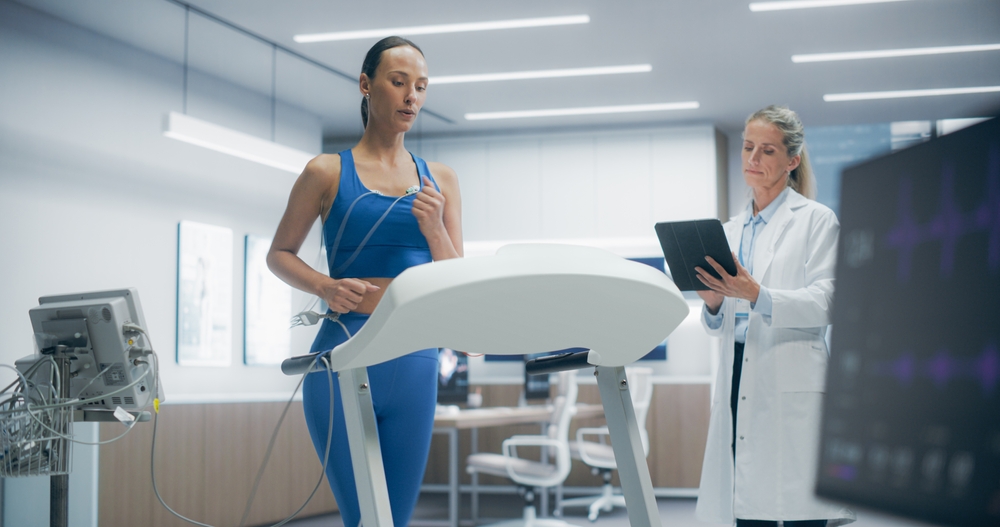
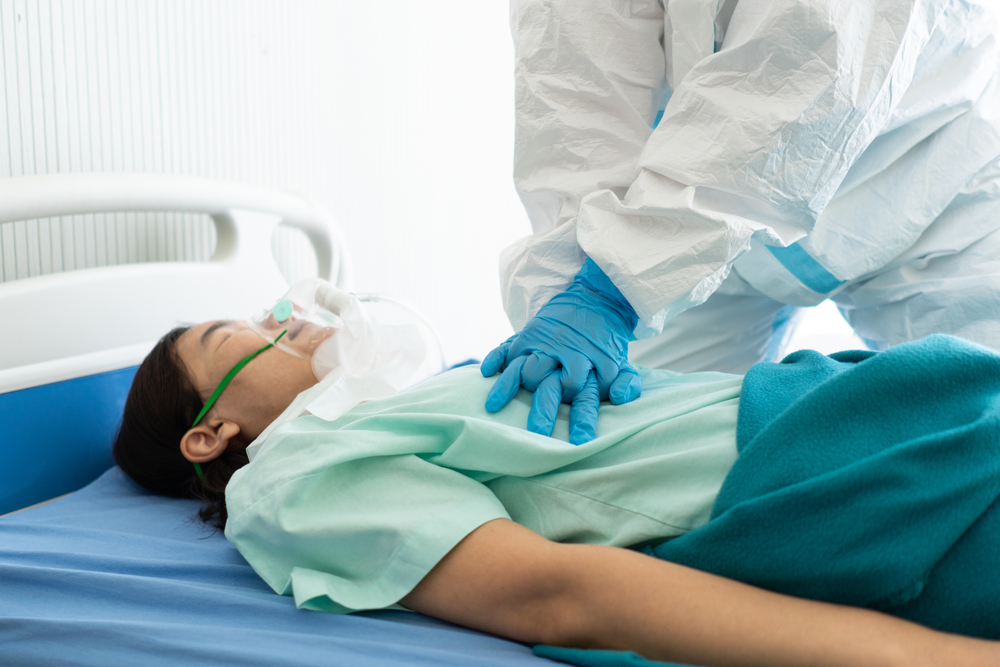
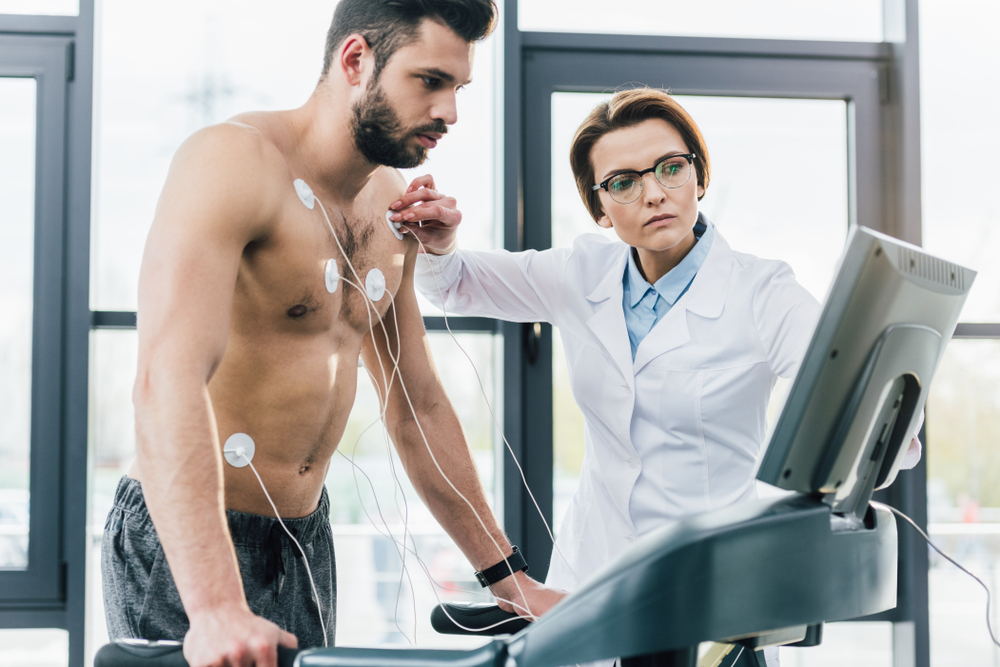
Why Cardiopulmonary Testing in Hackensack, NJ Can Save Your Life – Surprising Insights Cardiopulmonary testing in Hackensack NJ is a powerful way to understand how your heart and lungs work together every day. At Advanced Medical & Diagnostic Center, we’ve seen how this test can uncover silent health issues early and help people make the changes that keep them healthy for the long run. This test is especially important for first responders, police officers, firefighters, EMS workers, and municipal employees who face physical and emotional stress every day. Understanding your body’s limits and strengths can help prevent sudden health problems and improve your quality of life. How Your Heart and Lungs Work Together Your heart and lungs are constantly in sync. They deliver oxygen to your body, remove carbon dioxide, and fuel every breath and heartbeat. Cardiopulmonary testing shows how well these two systems perform during rest and under pressure. Why This Matters Many heart and lung conditions develop slowly without clear symptoms. That’s why proactive testing is essential. The American Lung Association notes that chronic lung disease affects millions of Americans, yet many are unaware until symptoms worsen. Catching these changes early can save lives. What Happens During the Test If you’ve never done this type of evaluation before, don’t worry. Cardiopulmonary testing in Hackensack NJ is simple, noninvasive, and performed under professional supervision. Step-by-Step Before the test: You’ll be asked to avoid caffeine, smoking, or heavy meals. At the start: A technician checks your heart rate, blood pressure, and oxygen level. During the test: You’ll walk on a treadmill or pedal a bike while breathing through a mouthpiece that measures oxygen and carbon dioxide. Afterward: You’ll rest while your heart and lungs recover, and the staff monitors how quickly your body returns to normal. The test provides clear insights into how efficiently your body uses oxygen and how strong your heart and lungs are under stress. Why This Test Can Be Life-Saving For many people, cardiopulmonary testing reveals conditions that would have gone unnoticed for years. The Value of Early Detection According to the Centers for Disease Control and Prevention, heart disease is the leading cause of death in the United States. By identifying small problems before they become emergencies, this test helps you take control of your health and prevent life-threatening events like heart attacks or lung failure. Personalized Care You Can Trust Every patient is different. At Advanced Medical & Diagnostic Center, we personalize your care plan based on your test results, your job, and your lifestyle. Whether you’re a firefighter exposed to smoke or an officer managing daily stress, our team helps you stay ahead of potential risks. Why First Responders Should Prioritize Cardiopulmonary Testing First responders have some of the most physically demanding and stressful jobs. They deal with high-pressure environments, unpredictable schedules, and exposure to hazardous materials. Over time, this can take a serious toll on heart and lung function. The Risks You Might Not See Firefighters breathe in smoke and toxins that can weaken their lungs. Police officers often work under constant stress that raises blood pressure and heart strain. EMS workers face long shifts, sleep loss, and intense calls that affect their overall health. The U.S. Fire Administration confirms that cardiovascular issues remain one of the top causes of on-duty firefighter deaths. Regular cardiopulmonary testing gives these professionals a way to monitor their health and take preventive steps before something serious happens. When to Get Checked You don’t have to wait for symptoms to appear before getting tested. Cardiopulmonary testing in Hackensack NJ is useful for anyone who wants a clearer picture of their heart and lung health. Signs That Shouldn’t Be Ignored Shortness of breath during normal activity Constant fatigue or lack of energy Chest pain, tightness, or discomfort Wheezing or persistent cough Even mild symptoms can be your body’s way of signaling that something isn’t right. Getting tested early helps you stay proactive instead of reactive. What This Test Can Reveal Cardiopulmonary testing identifies several key conditions that often develop quietly over time. COPD and Breathing Disorders Chronic obstructive pulmonary disease (COPD) limits airflow and makes breathing harder. More than 316,000 deaths among employed Americans in 2020 were linked to COPD (CDC, 2022). Testing allows doctors to identify COPD early and start treatment right away. Asthma and Lung Sensitivity The test shows how your lungs respond to stress or medication, helping your provider manage asthma more effectively. Heart Conditions If your oxygen levels drop or your heart rate recovers slowly, it may be an early sign of heart disease or reduced cardiovascular function. Pulmonary Hypertension Testing can uncover increased blood pressure in the lungs, which can cause fatigue, chest discomfort, or shortness of breath. Turning Results Into Real Health Progress The results of your cardiopulmonary test are more than just numbers. They’re a map of how your body functions and how you can improve it. How Results Guide Your Care Your provider may recommend exercise programs, nutrition changes, or adjustments to your medication. If you are receiving treatments like Testosterone Replacement Therapy, this test helps determine whether your therapy is improving cardiovascular performance and endurance. Tracking Your Progress Over Time Follow-up testing can show how your health improves as you make changes. It’s a motivating way to see your progress and stay accountable to your long-term health goals. Getting Ready for Your Appointment A little preparation goes a long way toward getting the most accurate results. Skip caffeine, alcohol, and smoking for 24 hours before the test. Eat light meals and drink plenty of water. Wear comfortable clothes and shoes. Bring a list of medications and discuss them with your provider. Arrive early so you can relax before testing begins. Our team at Advanced Medical & Diagnostic Center will make sure you’re comfortable and informed at every step. Why Patients Choose Advanced Medical & Diagnostic Center We believe in treating people, not just conditions. That’s why our cardiopulmonary testing is designed to be supportive, educational, and easy to
cardiopulmonary testing in Hackensack NJ at Advanced Medical & Diagnostic Center

The Definitive Guide to Cardiopulmonary Testing in Hackensack, NJ: What Patients Must Know

The Definitive Guide to Cardiopulmonary Testing in Hackensack, NJ: What Patients Must Know Cardiopulmonary testing in Hackensack NJ is a vital way to understand how your heart and lungs are working together. At Advanced Medical & Diagnostic Center in Hackensack and Wayne, we focus on helping first responders, municipal workers, union members, and their families take charge of their health through early detection and personalized care. This guide will explain what cardiopulmonary testing is, why it matters, and what to expect during the process. What Is Cardiopulmonary Testing? Cardiopulmonary testing is a noninvasive evaluation that measures how well your body delivers and uses oxygen. It looks at the relationship between your heart, lungs, and muscles both at rest and during activity. Why It Matters It detects early signs of conditions like asthma, COPD, and cardiovascular disease. It shows how well your body handles exercise and oxygen delivery. It helps doctors design treatment plans based on your unique results. According to the American Lung Association, chronic lung disease affects millions of people in the United States, often without early warning signs. Testing provides a way to catch these issues before they worsen. Why Cardiopulmonary Testing Is Essential for First Responders Police officers, firefighters, and EMS professionals face demanding work environments. Stress, smoke exposure, physical strain, and long hours all take a toll on cardiopulmonary health. Job-Related Risks Firefighters may develop lung problems from repeated smoke and chemical exposure. Police officers experience high stress that can increase cardiovascular risk. EMS workers often deal with fatigue and irregular schedules that impact health. Cardiovascular problems remain one of the leading causes of on-duty deaths in firefighters. The U.S. Fire Administration highlights cardiovascular wellness as a top priority for prevention. How Cardiopulmonary Testing Works Preparing for the Test Patients are asked to avoid caffeine, smoking, and strenuous activity beforehand. Comfortable clothing makes it easier to perform exercise stages. Resting Measurements At the start, your care team records baseline numbers like heart rate, blood pressure, and oxygen levels. Exercise Stage You walk on a treadmill or use a stationary bike while wearing a mask or mouthpiece that measures oxygen intake and carbon dioxide output. The test also records heart and breathing rates in real time. Recovery After exercise, you are monitored while your body returns to normal. How quickly your system recovers offers important insight into your overall health. Benefits of Cardiopulmonary Testing in Hackensack NJ People With Symptoms Shortness of breath Chest discomfort with activity Unexplained fatigue Reduced exercise tolerance High-Risk Groups First responders and municipal workers Individuals with family history of lung or heart disease Patients living with chronic conditions like diabetes, high blood pressure, or COPD What to Expect at Your Appointment When you schedule cardiopulmonary testing at our Hackensack office, you can expect thorough care and a supportive environment. Our team explains each step, answers questions, and ensures your comfort throughout the process. We also provide the same testing at our Wayne office, giving patients across northern New Jersey flexible options for care. Conditions Identified by Cardiopulmonary Testing COPD Chronic obstructive pulmonary disease is a major cause of illness in the U.S. It can often be linked to smoking or occupational exposure. In 2020, nearly 10 percent of deaths in certain worker groups involved COPD as a contributing factor (CDC, 2022). Asthma Testing helps assess airway responsiveness and provides data for treatment adjustments. Heart Failure Cardiopulmonary testing can reveal reduced oxygen efficiency, a common sign of heart failure or poor cardiac function. Pulmonary Hypertension Abnormal results can point to increased blood pressure in the lungs, a condition that benefits from early treatment. Cardiopulmonary Testing as Preventive Care Preventive healthcare is central to our mission at Advanced Medical & Diagnostic Center. Cardiopulmonary testing gives you a clear picture of your health and helps you take action before small issues become serious conditions. For first responders, early detection may be life-saving, allowing them to stay fit and ready for the demands of their careers. Why Choose Advanced Medical & Diagnostic Center Not all testing centers are the same. At Advanced Medical & Diagnostic Center, our approach to cardiopulmonary testing in Hackensack NJ is built on personalized care and a deep understanding of our patients’ needs, especially first responders and their families. We know that firefighters, police officers, and EMS workers face health risks that require extra attention. Specifically, the following: Expertise in serving first responders and families Two convenient locations in Hackensack and Wayne Comprehensive services that include Cardiovascular and Pulmonary Testing and wellness therapies Personalized care focused on long-term prevention and health management You can also find us on Google Business to check reviews, hours, and directions. How to Prepare for Cardiopulmonary Testing in Hackensack NJ Preparing for your test is simple, but following instructions helps ensure the most accurate results. Patients are advised to avoid heavy meals, caffeine, alcohol, and smoking before their appointment. Wearing loose, comfortable clothing and sneakers is also recommended since you will likely perform some physical activity during the test. Another important part of preparation is medication review. Some medications may affect heart rate, blood pressure, or breathing. Before your appointment, our team will review your medical history and current prescriptions to determine if adjustments are needed. Arriving a few minutes early also helps you settle in, reduce stress, and ensure that your results reflect your normal baseline. Following these steps makes the experience smoother and gives you reliable, meaningful results that your doctor can use to guide your care. Frequently Asked Questions 1. How long does cardiopulmonary testing take? Most tests last between 45 and 90 minutes, depending on your needs and response to exercise. 2. Is cardiopulmonary testing safe? Yes, it is safe. The test is noninvasive and closely monitored by trained professionals. 3. Do I need a referral? Some patients are referred by their doctor, but you can also schedule directly with Advanced Medical & Diagnostic Center. 4. Will my insurance cover this test? Coverage depends on your plan. Our staff can help check

Cardiovascular testing Hackensack NJ stress test for first responders

Heart Health for Hackensack Heroes: Cardiovascular Testing Tailored to First Responders

Heart Health for Hackensack Heroes: Cardiovascular Testing Tailored to First Responders At Advanced Medical & Diagnostics Center in Hackensack, NJ, the health and safety of first responders is a top priority. Police officers, firefighters, and emergency medical professionals put their bodies under intense pressure each day, often without recognizing the silent toll it can take on their hearts. This is why cardiovascular testing Hackensack NJ at Advanced Medical & Diagnostics Center is more than a routine checkup—it is a lifeline for those who dedicate themselves to protecting others. Heart disease remains a leading cause of illness and death in the United States, and first responders face heightened risks due to stress, physical exertion, and irregular schedules. By prioritizing regular cardiovascular evaluations at Advanced Medical & Diagnostics Center, first responders can protect their health, extend their careers, and stay strong for the community they serve. Why Cardiovascular Testing is Critical for First Responders First responders are exposed to conditions that significantly raise cardiovascular risks. Sudden bursts of activity, heavy equipment, extreme weather, and mental stress are daily challenges. Over time, these demands can strain the cardiovascular system. Cardiovascular testing helps detect issues early, including hypertension, arrhythmias, or restricted blood flow. Identifying these conditions before they escalate is essential. According to the Mayo Clinic (2023), preventive cardiovascular screenings reduce the likelihood of sudden cardiac events, which are more common in high-stress professions.  Types of Cardiovascular Testing Available in Hackensack Electrocardiogram (ECG)An ECG records the heart’s electrical activity and helps detect irregular rhythms, which can signal underlying conditions that may put a first responder at risk during duty. Stress TestingThis test monitors heart function during exercise, simulating the physical stress first responders encounter in real-life emergencies. Stress testing is one of the most common procedures included in cardiovascular testing Hackensack NJ clinics provide. EchocardiogramUsing ultrasound technology, this test produces images of the heart to assess structural health, blood flow, and potential valve issues. Lipid And Cholesterol ScreeningBlood work remains a fundamental tool for evaluating long-term cardiovascular health and detecting risks that might otherwise remain hidden.  Tailoring Screenings To Occupational Needs Not all professions require the same level of heart health monitoring, but first responders face unique risks. For firefighters, heat stress and heavy exertion can trigger heart strain. Police officers often encounter high-adrenaline situations that increase blood pressure. EMTs face irregular hours, adding fatigue and stress that impact the cardiovascular system. Because of these occupational hazards, cardiovascular testing Hackensack NJ providers like Advanced Medical & Diagnostics Center customize screenings. By focusing on endurance, recovery time, and stress resilience, medical professionals ensure that first responders get the most accurate picture of their health. The Role of Preventive Care in Protecting Heart Health Preventive care is a cornerstone of long-term health for first responders. Routine cardiovascular evaluations act as early warning systems, identifying issues before they require hospitalization. Regular checkups are also an opportunity to educate first responders about lifestyle modifications—balanced nutrition, stress management, and regular fitness routines—that support optimal heart performance. The National Institutes of Health (NIH, 2022) emphasizes that preventive testing is especially critical for individuals in physically demanding careers. For first responders in Hackensack, scheduling cardiovascular screenings with Advanced Medical & Diagnostics Center means reducing the risk of on-duty emergencies and ensuring that their service to the community is sustainable. Local Access to Advanced Cardiovascular Testing in Hackensack Hackensack is home to advanced facilities designed to meet the needs of local first responders. Clinics like Advanced Medical & Diagnostics Center specialize in cardiovascular testing Hackensack NJ, using state-of-the-art technology to deliver accurate results and personalized care. First responders benefit from working with providers who understand the unique risks of their profession. Beyond basic screenings, these centers focus on occupational safety, ensuring that each evaluation directly supports a responder’s ability to perform safely in the field.  How Testing Supports Long-Term Careers A career as a first responder is physically and emotionally demanding. Without preventive action, heart-related conditions can end careers prematurely. By committing to cardiovascular testing Hackensack NJ at Advanced Medical & Diagnostics Center, first responders extend their ability to serve and protect. Testing identifies risk factors that may require simple interventions such as medication adjustments or lifestyle changes. These small steps can prevent major complications, allowing first responders to remain strong throughout their service and into retirement.  How Cardiovascular Testing Improves On-Duty Safety For first responders, being physically fit is not enough. Even those who appear strong and healthy may have underlying conditions that only cardiovascular testing can reveal. A hidden arrhythmia or arterial blockage can put both the responder and the public at risk during a high-pressure call. At Advanced Medical & Diagnostics Center, cardiovascular testing Hackensack NJ ensures that every first responder is medically cleared to perform their duties safely. By identifying silent threats, these evaluations help reduce sudden health emergencies in the field, protecting lives on both sides of the emergency. The Link Between Stress And Cardiovascular Health Stress is an unavoidable part of first responder work, but it is also a major contributor to heart disease. Chronic stress elevates blood pressure, disrupts sleep, and accelerates arterial damage. Research from the American Heart Association highlights that ongoing stress is directly linked to increased risks of hypertension and heart disease, especially in high-pressure professions (AHA, 2023). For first responders, stress is not occasional—it is constant. This makes regular cardiovascular evaluations essential for early intervention and stress-related heart health monitoring.  Lifestyle Recommendations To Support Heart Health While medical testing is vital, lifestyle habits play an equally important role in cardiovascular well-being. Doctors at Advanced Medical & Diagnostics Center often recommend simple but effective strategies for first responders: Balanced nutrition: Prioritize vegetables, lean proteins, and heart-healthy fats. Consistent exercise: Include both aerobic activity and strength training for overall cardiovascular fitness. Adequate rest: Prioritize sleep hygiene to offset irregular shifts. Stress management: Use breathing techniques, counseling, or structured downtime to reduce stress overload. Together with cardiovascular testing Hackensack NJ, these lifestyle adjustments create a comprehensive approach to protecting long-term heart health.  Community

First responder undergoing cardio-pulmonary testing in Hackensack NJ with doctor supervision

Early Detection Matters: Cardio-Pulmonary Testing in Hackensack, NJ for First Responders

Early Detection Matters: Cardio-Pulmonary Testing in Hackensack, NJ for First Responders At Advanced Medical & Diagnostics Center in Hackensack, NJ, we understand the physical and emotional demands placed on first responders. Firefighters, police officers, and emergency medical technicians push their bodies to the limit, often in unpredictable environments. Because their work requires peak performance, preventive healthcare is essential. One of the most effective tools for safeguarding their well-being is cardio-pulmonary testing in Hackensack NJ. These evaluations allow providers to detect heart and lung conditions early, reducing the risk of sudden health crises and helping first responders continue serving the community with strength and resilience.  Why Cardio-Pulmonary Testing Matters for First Responders First responders face higher rates of cardiovascular disease and respiratory complications than the general population. The physical strain of carrying heavy equipment, the stress of life-or-death decisions, and exposure to hazardous environments increase their vulnerability to hidden health conditions. Routine cardio-pulmonary testing in Hackensack NJ ensures that potential issues are uncovered before they escalate. For responders who rely on their strength and stamina, early detection can mean the difference between safe duty and medical emergencies. Health Challenges Faced by First Responders Exposure to smoke, chemicals, and environmental toxins Elevated stress and irregular schedules disrupting recovery High-intensity exertion during emergency calls Increased risk of heart disease and hypertension When these challenges go unmonitored, the consequences can be severe. Structured cardio-pulmonary evaluations help reduce those risks and promote long-term well-being. What Cardio-Pulmonary Testing Involves Cardio-pulmonary testing assesses how the heart and lungs work together to deliver oxygen to the body, especially during exertion. For first responders, this data provides valuable insights into whether they can meet the physical demands of their roles safely. Key Diagnostic Tools Cardiopulmonary Exercise Testing (CPET): Tracks oxygen use and endurance under stress. Electrocardiogram (ECG): Identifies irregular heart rhythms. Pulmonary Function Tests: Measure lung capacity and airflow efficiency. Exercise Stress Tests: Simulate real-life exertion to evaluate cardiovascular response. By combining these diagnostic tools, providers at Advanced Medical & Diagnostics Center create a detailed picture of each responder’s health, guiding preventive strategies and treatment when needed. Benefits of Early Detection Through Testing The main purpose of cardio-pulmonary testing in Hackensack NJ is prevention. When cardiovascular or respiratory conditions are caught early, they are often easier to manage and less likely to cause interruptions in service. Key Advantages for First Responders Improved readiness for demanding calls and emergencies. Reduced risk of sudden cardiac events during stressful situations. Long-term protection that allows for extended careers in public service. Research from the Cleveland Clinic (2023) emphasizes that proactive health screenings lead to better outcomes and fewer complications. This reinforces the importance of testing for individuals working in high-risk, high-pressure occupations.  Local Relevance of Testing in Hackensack Hackensack is home to a strong community of first responders who serve with dedication every day. Convenient access to advanced cardio-pulmonary testing in Hackensack NJ means these professionals don’t need to travel far for preventive care. Local availability ensures quick results, continuity of care, and healthcare providers who understand the demands of emergency services. At Advanced Medical & Diagnostics Center, we are committed to supporting first responders with personalized testing and guidance that align with their professional and health needs. Our approach is designed to keep them safe, prepared, and ready to serve.  Integrating Cardio-Pulmonary Testing Into Preventive Care Testing is only the first step in protecting health. Once results are obtained, providers can create personalized care plans that help first responders make meaningful changes. At Advanced Medical & Diagnostics Center, we emphasize using test results to guide preventive care that supports both immediate readiness and long-term wellness. Ongoing Monitoring and Follow-UpCardio-pulmonary results should be tracked over time. Regular follow-up testing allows physicians to identify changes in heart and lung function before they cause major issues. For first responders, this kind of monitoring ensures they stay fit for duty and receive immediate adjustments to care plans when necessary. Lifestyle Adjustments Based on Testing Customized fitness regimens tailored to cardiovascular strength and lung capacity Stress management programs to reduce the burden on the heart Smoking cessation and toxin reduction strategies Nutritional guidance to support energy and endurance By combining medical oversight with practical lifestyle adjustments, cardio-pulmonary testing in Hackensack NJ becomes part of a holistic health approach.  How Testing Supports Occupational Readiness For firefighters, police officers, and EMTs, every second matters during emergencies. Poor cardiovascular or pulmonary health can slow reaction times and limit endurance, which can affect performance in high-stakes situations. Routine cardio-pulmonary testing in Hackensack NJ helps confirm that first responders are physically prepared to meet the demands of their jobs. In addition to safeguarding their personal health, it protects their colleagues and the community they serve. The Link Between Testing and Job SafetyAccording to the Mayo Clinic (2022), stress tests and related screenings help identify heart conditions before symptoms appear. For first responders, this means hidden risks can be addressed early, reducing the likelihood of medical emergencies during calls. Early testing ensures that responders remain capable, reliable, and safe in all circumstances.  Community Impact of Healthy First Responders The benefits of cardio-pulmonary testing in Hackensack NJ extend beyond the individual. When first responders remain healthy, the entire community benefits from their consistent service. A responder who avoids a preventable medical event can continue protecting residents without interruption. Broader Public Safety Benefits Reduced sick leave and fewer medical emergencies during duty Improved morale within departments Greater trust from the community in first responder readiness This ripple effect underscores why proactive health management is not just a personal priority but also a public one.  The Role of Advanced Medical & Diagnostics Center At Advanced Medical & Diagnostics Center, we provide tailored testing and follow-up care designed specifically for the needs of first responders. Our facility combines advanced technology with compassionate care, ensuring that every test is precise, accurate, and actionable. Why Choose a Local Provider in Hackensack Convenient scheduling and accessibility for busy professionals Physicians experienced in occupational and preventive health Immediate access to

TRT for first responders in Hackensack enhancing endurance and recovery

How Testosterone Replacement Therapy Enhances Endurance & Recovery in Hackensack’s First Responders

How Testosterone Replacement Therapy Enhances Endurance & Recovery in Hackensack’s First Responders At Advanced Medical & Diagnostics Center in Hackensack, we recognize the unique challenges that local heroes face every day. Firefighters, police officers, and EMTs endure long hours, high stress, and physically demanding tasks that can strain both body and mind. Over time, these pressures may lead to fatigue, reduced stamina, and slower recovery. This is why many are exploring TRT for first responders in Hackensack as a way to restore balance, boost endurance, and improve overall resilience. By offering personalized testosterone replacement therapy, our clinic provides first responders with the tools they need to stay strong and focused in the line of duty while supporting long-term health. The Demands of Being a First Responder Few professions are as physically and mentally taxing as first response. Firefighters face blazing environments while carrying heavy equipment, police officers work long shifts in unpredictable conditions, and EMTs perform lifesaving tasks with limited rest. These unique demands can cause hormonal imbalances that lead to low testosterone. Studies show that stress, sleep deprivation, and intense physical labor can accelerate hormone decline (Mayo Clinic, 2023). For this reason, TRT for first responders in Hackensack is more than just a wellness option—it’s a vital strategy for maintaining readiness. Understanding Testosterone Replacement Therapy Testosterone Replacement Therapy, or TRT, is a medically supervised treatment that helps restore testosterone levels when they fall below the healthy range. Symptoms of low testosterone can include chronic fatigue, loss of muscle mass, mood swings, and slow recovery after exertion. By balancing hormone levels, TRT for first responders in Hackensack can help improve energy, strengthen the body, and enhance recovery—all essential qualities for those serving on the front lines. According to the National Institutes of Health, testosterone plays a central role in regulating muscle mass, energy levels, and mood, making hormone therapy a crucial option for those with clinically low levels.  Endurance Benefits of TRT One of the key reasons responders consider hormone therapy is its effect on endurance. Healthy testosterone levels help the body sustain energy and improve cardiovascular function. When receiving TRT for first responders in Hackensack, patients often notice: Greater stamina during physically demanding shifts Improved oxygen circulation through increased red blood cell production Enhanced metabolism for better overall energy The Cleveland Clinic notes that testosterone supports red blood cell development, which in turn improves oxygen delivery throughout the body (Cleveland Clinic, 2022). This process helps responders remain sharp and strong in critical situations. Recovery and Resilience Equally important as performance is recovery. After facing grueling calls or long shifts, the body needs effective rest and repair. Low testosterone can slow this process, leading to prolonged soreness, poor sleep, and slower healing. By pursuing TRT for first responders in Hackensack, many experience: Faster recovery from physical exertion Reduced inflammation and soreness Improved sleep cycles, which promote healing Research published in PubMed emphasizes the role of testosterone in tissue repair, noting that balanced levels contribute directly to faster recovery times (Smith & Jones, 2021).  Mental Health and Cognitive Focus Endurance and recovery are not only physical. Mental clarity and emotional stability are equally critical. Testosterone influences mood, concentration, and motivation. For first responders who must make life-saving decisions under pressure, sharp cognition is essential. Through TRT for first responders in Hackensack, individuals often report: Stronger focus during stressful tasks Better emotional balance Reduced irritability and burnout When responders can manage stress effectively, they can perform better on the job while protecting their long-term well-being.  Local Need for TRT in Hackensack Hackensack is home to many first responders who dedicate their lives to protecting the community. With increasing awareness of hormone health, more responders are seeking solutions tailored to their demanding lifestyles. Our clinic offers TRT for first responders in Hackensack through a personalized approach that includes comprehensive testing, monitored treatment, and ongoing support. By doing so, we help ensure safety, performance, and health for those who protect others. How TRT Supports Strength and Performance Strength is central to the daily responsibilities of first responders. Whether carrying heavy equipment, performing rescues, or restraining suspects, physical performance must remain consistent. Low testosterone makes maintaining strength difficult, leaving responders more vulnerable to fatigue or injury. Through TRT for first responders in Hackensack, many regain lean muscle mass and enhanced physical power. Testosterone directly supports muscle protein synthesis, which is vital for building and maintaining muscle strength. Combined with training, it creates a strong foundation for the demands of duty. Improved Sleep and Energy Balance Quality rest is often limited for first responders, who may work rotating shifts or be called out unexpectedly. Poor sleep impacts hormone levels and overall recovery. Low testosterone only adds to this cycle, creating exhaustion that affects performance. By restoring balance, TRT for first responders in Hackensack can improve sleep quality and energy regulation. Better rest leads to faster healing, sharper focus, and reduced daytime fatigue. This creates a healthier rhythm for those serving on unpredictable schedules. The Role of TRT in Injury Prevention Responders often face physically risky situations. Injuries can lead to extended time off duty, affecting both health and career. Testosterone plays a role in bone density, joint stability, and muscle resilience—all critical for preventing injuries. With TRT for first responders in Hackensack, patients may experience stronger bones and improved tissue repair. This added protection reduces the likelihood of strains, fractures, or long-term joint issues, keeping responders safer on the job. Potential Risks and Considerations As with any medical treatment, it’s important to consider potential risks. While the benefits are significant, TRT for first responders in Hackensack should only be provided under medical supervision. Side effects may include acne, fluid retention, or increased red blood cell counts if not carefully monitored. That’s why professional guidance is essential. At our clinic, blood work and routine evaluations ensure the therapy is tailored to each individual’s needs. Responders receive ongoing monitoring to minimize risks and maximize results. Personalized Approach to TRT in Hackensack Not every first responder experiences low

Man training in gym after starting TRT in Hackensack NJ

Your Guide to Testosterone Replacement Therapy in Hackensack, NJ—Tailored for First Responders

Your Guide to Testosterone Replacement Therapy in Hackensack, NJ—Tailored for First Responders Advanced Medical & Diagnostics Center is committed to helping men in Hackensack, NJ restore their health, energy, and confidence through advanced hormone treatments. One of the most effective solutions available today is TRT in Hackensack NJ, a therapy designed to rebalance testosterone levels in men experiencing symptoms of low T. For first responders—firefighters, police officers, and EMTs—the demands of the job can accelerate both physical and mental fatigue. This guide will explain how TRT works, why it is especially valuable for first responders, and what to expect from treatment.  What Is Testosterone Replacement Therapy? Testosterone replacement therapy, often called TRT, is a treatment designed to supplement or restore testosterone levels when they fall below normal ranges. Men struggling with fatigue, reduced strength, or mood changes often benefit from this therapy. By choosing TRT in Hackensack NJ, patients gain access to specialists at Advanced Medical & Diagnostics Center who understand both the science of hormone balance and the lifestyle challenges of men in demanding careers. Signs of Low Testosterone Men may not always recognize that their symptoms are connected to hormone changes. Common signs include: Persistent fatigue despite adequate rest Loss of muscle mass and increased body fat Difficulty concentrating or maintaining focus Reduced sexual drive or performance concerns For first responders, these symptoms can be especially disruptive, since energy, focus, and resilience are critical in emergencies. Access to TRT in Hackensack NJ through Advanced Medical & Diagnostics Center can help restore both physical and mental performance. Why First Responders Are At Higher Risk Stressful schedules, disrupted sleep, and the physical demands of emergency response contribute to hormonal decline. Firefighters and police officers often face irregular hours, while EMTs work in high-adrenaline settings. These factors may accelerate low testosterone symptoms, making TRT in Hackensack NJ an essential option for men who want to maintain strength, stamina, and emotional balance. How TRT Supports Physical Strength and Performance One of the primary goals of TRT is to rebuild vitality. Men who undergo TRT in Hackensack NJ often experience: Increased lean muscle mass and endurance Faster recovery after workouts or physical strain Improved stamina during work and personal activities For first responders, these benefits directly impact their ability to perform on the job and recover efficiently after long shifts.  Mental Health Benefits of TRT Testosterone plays a significant role in emotional and cognitive health. Balanced hormone levels can improve mood, reduce irritability, and restore mental clarity. For professionals who must make quick, confident decisions, TRT in Hackensack NJ at Advanced Medical & Diagnostics Center helps support focus and stability in demanding environments. Types of Testosterone Replacement Therapy Available Men have several options when pursuing TRT in Hackensack NJ. Each method offers unique advantages depending on lifestyle and preference: InjectionsTestosterone injections deliver consistent and measurable results. They are a popular choice for first responders with unpredictable schedules. Gels And PatchesTopical treatments allow testosterone to be absorbed through the skin and provide steady daily dosing. PelletsPellets are inserted under the skin and release testosterone gradually over several months, reducing the need for frequent appointments. What to Expect During TRT Treatment Starting TRT begins with a thorough evaluation at Advanced Medical & Diagnostics Center. Providers review your symptoms, medical history, and blood test results to determine if testosterone therapy is right for you. Men choosing TRT in Hackensack NJ can expect a personalized plan that fits their lifestyle and professional demands, especially for those working as first responders. Ongoing care is an important part of the process. Regular follow-up visits allow providers to adjust treatment as needed and monitor overall health. Blood tests are used to ensure safe hormone levels and to maximize benefits while reducing side effects. According to the National Institutes of Health, ongoing monitoring during TRT is essential to track testosterone levels, assess cardiovascular health, and minimize potential complications.  Potential Risks and Considerations Like all medical treatments, testosterone replacement comes with considerations. Some men may experience side effects such as acne, fluid retention, or elevated red blood cell counts. In rare cases, untreated medical conditions such as prostate cancer can make TRT unsuitable. That is why choosing TRT in Hackensack NJ under the guidance of the experienced team at Advanced Medical & Diagnostics Center is critical. Regular monitoring reduces risk, ensures safety, and supports the best possible results. According to the Cleveland Clinic (2022), men who work closely with their providers are more likely to experience benefits without serious complications. Lifestyle Factors That Improve TRT Results TRT is most effective when paired with healthy habits. At Advanced Medical & Diagnostics Center, providers encourage men to combine TRT in Hackensack NJ with: Strength and resistance training to rebuild muscle mass Balanced nutrition rich in lean proteins, vegetables, and whole grains Adequate sleep and recovery strategies to optimize hormone balance Stress management practices such as mindfulness, breathing, or yoga For first responders, combining these strategies with TRT enhances energy and resilience while supporting long-term health.  Why Local Care Matters In Hackensack NJ Accessing hormone therapy locally has major advantages. Advanced Medical & Diagnostics Center offers convenient appointments close to home, saving valuable time for men with demanding schedules. Choosing TRT in Hackensack NJ also means working with providers who understand the unique pressures faced by local first responders and community members. Beyond convenience, local care ensures continuity. Providers develop strong, ongoing relationships with patients, making it easier to adjust therapy, monitor progress, and provide support tailored to individual goals. Community-Focused TRT Care First responders often carry the weight of protecting the Hackensack community. That responsibility deserves a wellness partner who understands. At Advanced Medical & Diagnostics Center, TRT in Hackensack NJ is more than just treatment—it is a commitment to helping the men who serve and protect achieve better energy, strength, and clarity both on and off the job.  Frequently Asked Questions 1. How do I know if I need TRT in Hackensack NJ? The best way to know is through a combination