Understanding Cardiovascular and Pulmonary Testing in Hackensack, NJ and When You May Need It
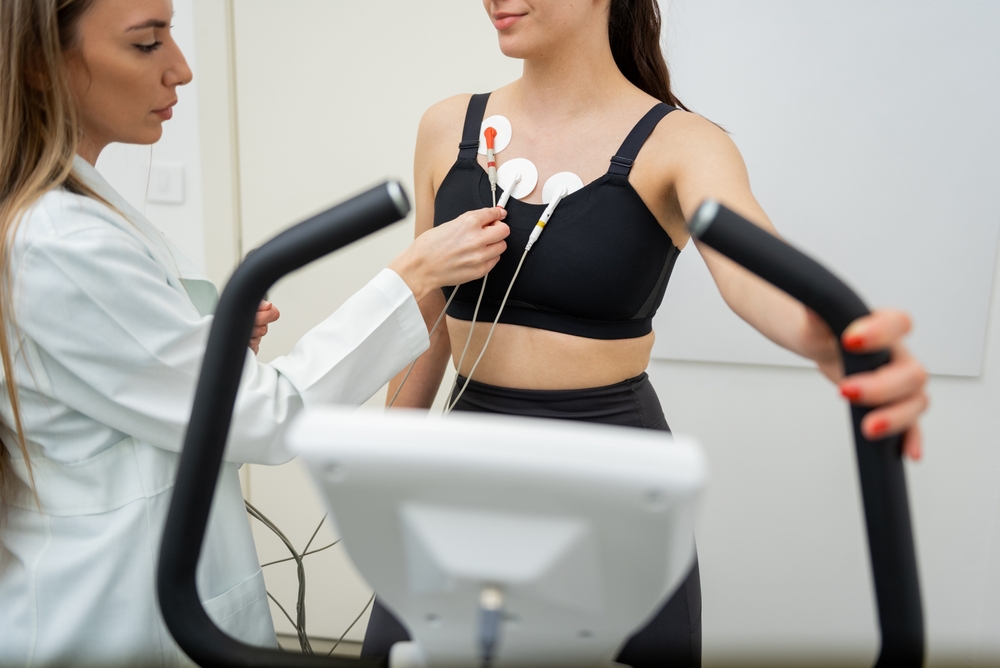
Understanding Cardiovascular and Pulmonary Testing in Hackensack, NJ and When You May Need It Cardiovascular and respiratory health are closely connected, and even subtle changes in either system can affect daily energy, physical endurance, and long-term wellness. For patients seeking clear answers about symptoms such as shortness of breath, fatigue, or reduced exercise tolerance, cardiopulmonary testing in Hackensack NJ provides valuable insight into how the heart and lungs function together. These diagnostic evaluations help identify concerns early and support informed, preventive care decisions. At Advanced Medical & Diagnostics Center, we offer comprehensive diagnostic services designed to evaluate heart and lung performance using evidence-based testing methods. Our team focuses on patient comfort, clinical accuracy, and clear communication so individuals throughout Hackensack and surrounding communities can better understand their cardiopulmonary health and next steps. What Cardiopulmonary Testing Measures Cardiopulmonary testing evaluates how efficiently the heart, lungs, and circulatory system work together to deliver oxygen throughout the body. Because these systems are interdependent, testing them together often provides more meaningful clinical information than evaluating each organ separately. Cardiopulmonary testing in Hackensack NJ is commonly used for diagnostic clarification, preventive screening, and ongoing monitoring for patients with symptoms or known risk factors. How the Heart and Lungs Work Together The lungs are responsible for oxygen exchange, while the heart circulates oxygen-rich blood to muscles and organs. When either system is under stress, the other must compensate. Cardiopulmonary testing evaluates this interaction under both resting and exertional conditions. This combined approach helps identify whether symptoms originate from cardiovascular strain, respiratory limitation, or a combination of both. Why Combined Evaluation Is Important Some patients experience symptoms only during physical activity, while routine exams appear normal. Cardiopulmonary testing in Hackensack NJ helps uncover exercise-related limitations that may not be evident during rest-based evaluations. Common Types Of Cardiopulmonary Testing Several diagnostic tools may be used depending on symptoms, medical history, and clinical goals. Each test provides specific data that contributes to a comprehensive assessment. Cardiac Stress Testing Cardiac stress testing evaluates how the heart responds to increasing physical demand. Heart rhythm, blood pressure, and oxygen use are monitored as activity levels rise in a controlled environment. This test is frequently included in cardiopulmonary testing in Hackensack NJ for individuals with chest discomfort, reduced stamina, or cardiovascular risk factors. Pulmonary Function Testing Pulmonary function tests measure lung capacity, airflow, and breathing efficiency. These tests are commonly used to evaluate respiratory symptoms such as chronic cough, wheezing, or unexplained shortness of breath. Pulmonary testing plays a key role when breathing limitations affect daily activities or exercise tolerance. Cardiopulmonary Exercise Testing Cardiopulmonary exercise testing combines heart monitoring, respiratory measurements, and oxygen consumption analysis during controlled exercise. It provides detailed insight into how efficiently the heart and lungs work together under stress. Cardiopulmonary testing in Hackensack NJ using this method is especially helpful for patients with complex or unexplained symptoms. When Cardiopulmonary Testing Is Recommended Not every patient needs cardiopulmonary testing, but certain symptoms and risk factors make evaluation especially valuable. Early testing can help prevent complications and guide timely care. Symptoms That May Indicate A Need For Testing Healthcare providers may recommend cardiopulmonary testing in Hackensack NJ when patients report ongoing or unexplained symptoms such as: Shortness of breath during routine activity Chest pressure or discomfort with exertion Lightheadedness or dizziness Persistent fatigue without a clear cause These symptoms do not always signal serious disease, but testing helps clarify their origin. Risk Factors That Increase The Importance Of Evaluation Patients with a history of heart disease, lung disease, smoking, high blood pressure, or diabetes may benefit from cardiopulmonary testing. Family history and age can also influence testing recommendations. How Cardiopulmonary Testing Supports Preventive Care Preventive healthcare focuses on identifying potential problems before they become advanced or harder to manage. Cardiopulmonary testing in Hackensack NJ supports this approach by providing objective, measurable data. Identifying Early Functional Changes Testing can reveal subtle declines in cardiovascular or respiratory performance before symptoms significantly impact daily life. Early detection allows providers to recommend lifestyle adjustments or further evaluation as needed. Guiding Safe Physical Activity For patients beginning or modifying an exercise routine, cardiopulmonary testing helps define safe activity levels. Understanding physical capacity reduces the risk of overexertion and supports long-term fitness goals. What To Expect During A Cardiopulmonary Testing Appointment Knowing what happens during testing can help patients feel more comfortable and prepared. Most cardiopulmonary tests are non-invasive and conducted under close supervision. Preparing For Your Appointment Patients may be asked to avoid heavy meals, caffeine, or strenuous activity before testing. Comfortable clothing and appropriate footwear are usually recommended for exercise-based evaluations. Your provider will review medical history and explain the testing process in detail before beginning. During The Testing Process Monitoring equipment tracks heart rhythm, breathing patterns, and oxygen levels throughout the evaluation. Intensity increases gradually and is adjusted based on patient tolerance and safety. Cardiopulmonary testing in Hackensack NJ is performed with continuous monitoring to ensure patient well-being at all times. Understanding Your Cardiopulmonary Test Results After completing testing, patients often want to know what the results mean and how they apply to daily health. Cardiopulmonary testing in Hackensack NJ provides detailed data that helps clinicians evaluate cardiovascular efficiency, lung capacity, and oxygen utilization. Results are reviewed in context with symptoms, medical history, and overall health goals. This ensures findings are interpreted accurately and meaningfully. What Normal Results Typically Indicate Normal test results suggest that the heart and lungs are functioning efficiently during rest and exertion. For many patients, this outcome provides reassurance and helps rule out serious cardiopulmonary conditions as the cause of symptoms. In these cases, providers may explore other contributing factors such as conditioning level, lifestyle habits, or non-cardiopulmonary causes. What Abnormal Results May Reveal Abnormal findings may indicate reduced cardiac output, impaired lung function, or limited oxygen delivery during activity. Cardiopulmonary testing in Hackensack NJ helps identify whether limitations stem from cardiovascular strain, respiratory restriction, or both. These insights guide further evaluation, monitoring, or referral when necessary. How Cardiopulmonary