High Stakes: Cardio Testing for Emergency Personnel in Wayne, NJ
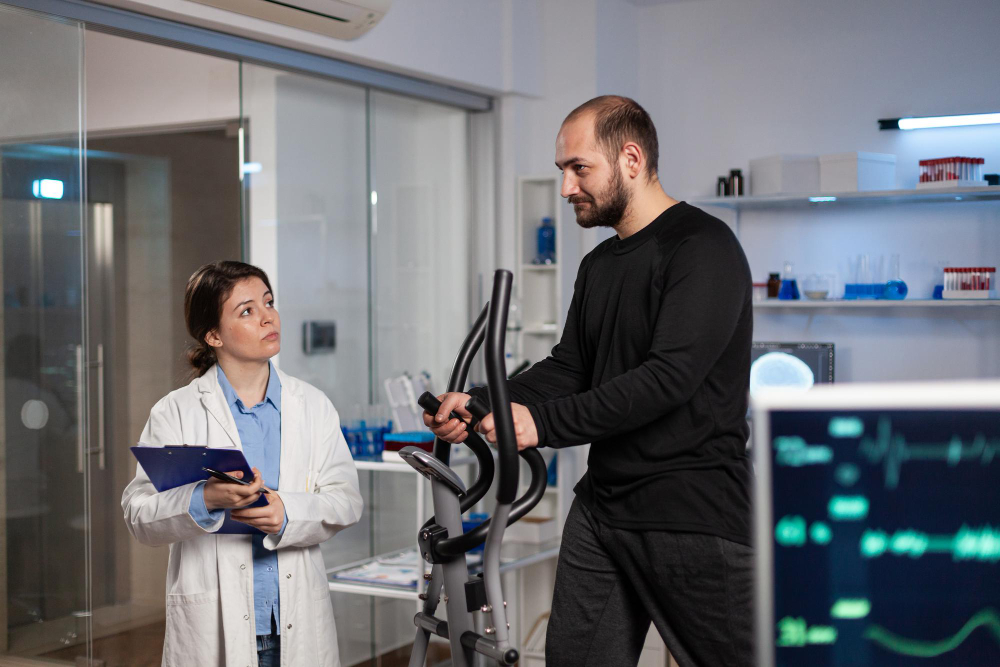
High Stakes: Cardio Testing for Emergency Personnel in Wayne, NJ Emergency personnel face some of the toughest physical and psychological demands in the workforce today, and their ability to respond rapidly under pressure often depends on strong cardiovascular health. At Advanced Medical & Diagnostic Center, supporting the readiness and long term wellness of first responders is a core part of the mission. As more departments recognize the connection between performance and heart health, many are turning to structured cardio testing in Wayne NJ to help ensure their teams remain safe, capable, and prepared for any situation. Cardiovascular assessments play a crucial role in detecting early risks, improving fitness levels, and helping agencies build healthier, more resilient workforces. For emergency workers who operate in unpredictable environments, these evaluations provide insight into how the body responds to strain and help determine whether additional medical follow up or conditioning is necessary. The growing interest in cardio testing in Wayne NJ reflects how important preventive care has become for those who serve on the front lines. Why Cardiovascular Readiness Matters for First Responders Emergency personnel operate in environments where physical output must increase instantly. Firefighters may transition from resting heart rates to peak exertion in seconds. Police officers often experience sudden surges of adrenaline that impact blood pressure, breathing, and cardiac workload. EMS teams frequently lift heavy equipment or patients while working in confined or hazardous spaces. These real world demands highlight why many agencies invest in cardio testing in Wayne NJ, using evaluations to help identify risks early and maintain the high level of performance the job requires. Studies show that emergency responders experience elevated rates of cardiovascular events due to the combination of occupational stress, irregular sleep schedules, and high intensity activity (American Heart Association, 2024). Without proper screening, underlying conditions may go unnoticed until they trigger severe complications. For this reason, a structured cardiac testing program provides measurable benefits for both individual responders and entire departments. How Emergency Work Impacts the Heart The cardiovascular strain of emergency work differs significantly from typical physical activity. Responders may alternate between long periods of inactivity and sudden bursts of demanding labor. This stop and start pattern places intense pressure on the heart and circulatory system. Over time, factors such as heat exposure, emotional stress, heavy lifting, and unpredictable physical workloads can increase the risk of hypertension, arrhythmias, or coronary artery disease. These occupational challenges are why comprehensive evaluations such as cardio testing in Wayne NJ are becoming more widely implemented. By understanding each responder’s baseline and peak capacity, medical teams can make more informed recommendations about conditioning, recovery, and overall wellness. What Cardio Testing Typically Includes Cardio testing encompasses several types of assessments designed to evaluate heart function, endurance, and physiological responses. Depending on department needs, a testing protocol may be tailored to specific job roles or fitness standards. Stress Testing A cardiovascular stress test measures how the heart performs during graded physical activity. Most responders walk or jog on a treadmill while clinicians monitor heart rate, blood pressure, and rhythm. According to the Mayo Clinic, stress testing is one of the most effective tools for identifying coronary artery disease and irregular heart rhythms in a controlled environment (Mayo Clinic, 2024). Many Wayne area departments rely on cardio testing in Wayne NJ to support early detection and timely intervention. VO2 Max and Endurance Evaluations VO2 max testing helps determine aerobic capacity, which is essential for long duration emergencies such as structure fires or prolonged medical calls. When first responders understand their endurance levels, they can adjust training and conditioning programs to improve performance. Agencies that incorporate cardio testing in Wayne NJ often use these assessments to measure annual fitness benchmarks. Resting Heart Health Screening Resting evaluations may include blood pressure assessments, electrocardiograms, cholesterol measurements, and metabolic indicators. These screenings help uncover silent risk factors that may not appear during physical exertion but can influence long term cardiovascular health. Functional and Occupational Readiness Testing Some departments request functional tests that simulate real world movements such as stair climbing, lifting, or sustained walking. These targeted measures provide insight into whether individuals can meet job demands safely and efficiently. Together, these assessments create a comprehensive profile of a responder’s cardiovascular health and help clinicians determine whether additional testing or medical clearance is necessary. Why Departments Are Prioritizing Cardio Testing Emergency agencies in Wayne are increasingly recognizing the value of consistent evaluations. For many departments, cardio testing in Wayne NJ has become a central component of their wellness and safety programs, offering benefits that extend far beyond traditional physical exams. Reducing On Duty Medical Emergencies One of the leading causes of line of duty deaths, particularly among firefighters, is sudden cardiac events (National Fire Protection Association, 2023). Early testing helps detect risk factors before they escalate into medical emergencies. Enhancing Physical Performance and Stamina Testing results provide responders with actionable data to improve conditioning. When individuals understand their heart’s limitations and strengths, they can tailor workouts to enhance efficiency and endurance. Improving Team Readiness A department is only as strong as its personnel. By prioritizing cardio testing in Wayne NJ, leadership ensures that teams remain capable of meeting physical demands consistently. This supports operational strength, reduces downtime, and helps maintain high performance levels. Supporting Mental Confidence and Overall Wellness Knowing that one’s cardiovascular health has been professionally evaluated boosts confidence. Responders who feel physically prepared are better equipped to manage job stress and maintain emotional resilience. Who Benefits Most From Comprehensive Cardio Testing While all emergency personnel face cardiovascular risks, certain job categories experience higher levels of physical strain, emotional stress, and unpredictable workloads. Understanding these differences helps departments tailor assessments and wellness programs more effectively. Many organizations use cardio testing in Wayne NJ as part of a broader approach to protecting the health of their workforce. Firefighters Firefighters often carry heavy gear, work in extreme heat, and perform strenuous tasks such as climbing ladders, ventilating structures, or advancing hose lines. These activities require a strong cardiovascular