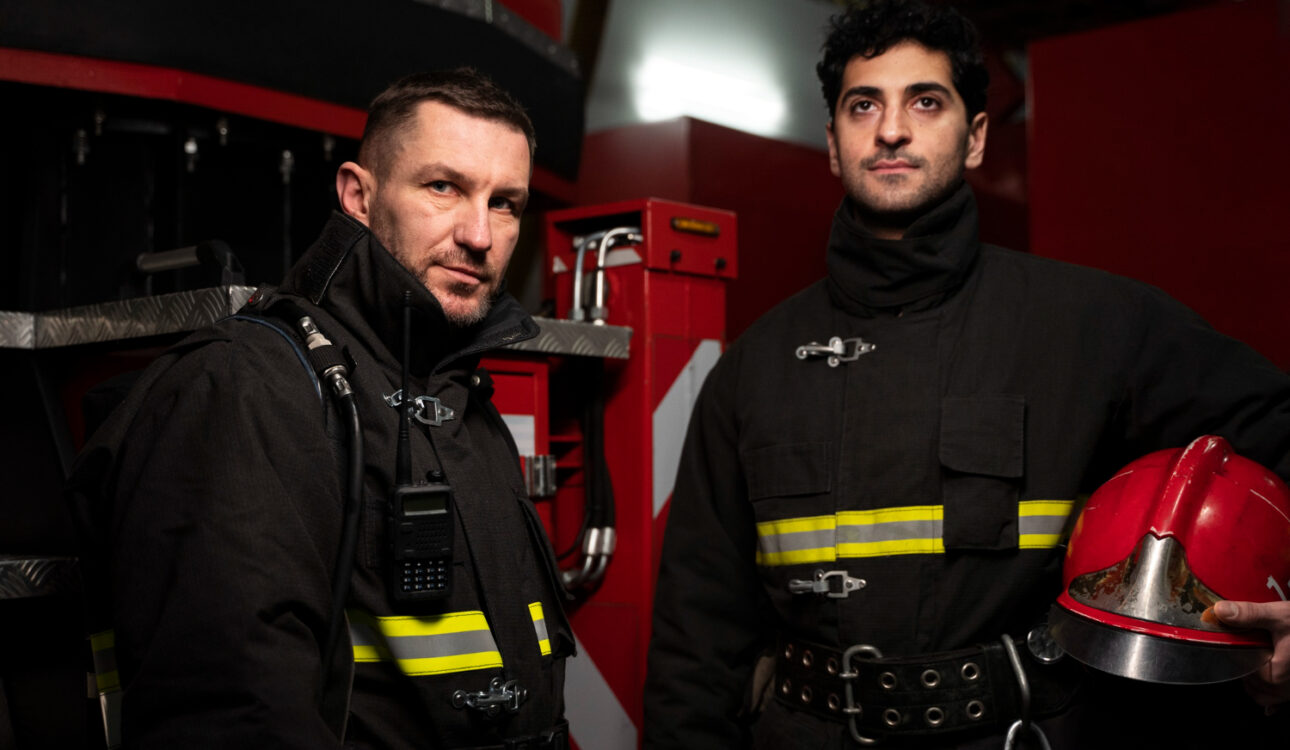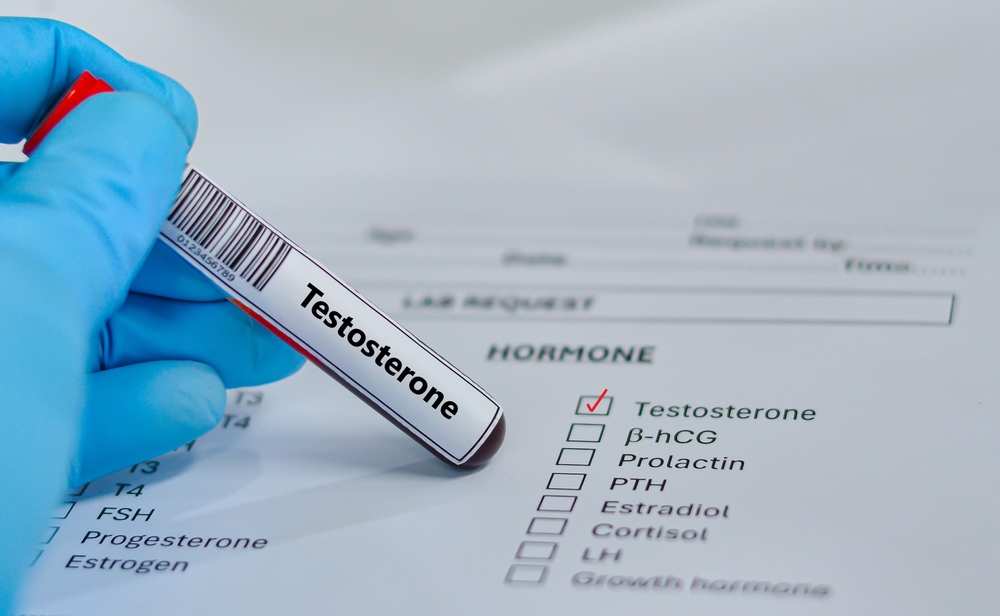
Did You Know High-Stress Roles Can Influence Hormone Levels? Why More First Responders in Wayne, NJ Are Asking About TRT
Did You Know High-Stress Roles Can Influence Hormone Levels? Why More First Responders in Wayne, NJ Are Asking About TRT First responders face daily pressures that most people never see, and these demands can influence far more than physical endurance. At Advanced Medical & Diagnostics Center in Wayne, NJ, many police officers, firefighters, and EMS professionals visit to understand whether the symptoms they experience might be connected to hormonal changes. As awareness grows, more individuals are exploring low testosterone treatment in Wayne NJ to find clarity, evaluate symptoms, and support their long-term well-being. Understanding how stress affects hormone levels is important for professionals who work in unpredictable, high-intensity environments. These men often notice changes in their energy, mood, or performance but may not realize that the constant cycle of adrenaline, interrupted sleep, and rapid decision-making can influence their hormonal balance. This article explains why first responders are increasingly seeking low testosterone treatment in Wayne NJ and how hormone health plays a meaningful role in their daily performance. Understanding How Stress Affects Hormone Balance High-pressure jobs can elevate stress hormones, particularly cortisol. When cortisol remains elevated for long periods, it can interfere with the body’s ability to maintain steady testosterone levels. According to research, chronic stress may influence hormone production and contribute to symptoms that many men find difficult to explain (Cleveland Clinic, Hormones, n.d.). This is one reason more individuals are considering low testosterone treatment in Wayne NJ to gain deeper insight into their health. Why First Responders Experience Unique Stress LoadsProfessionals in police, firefighting, and emergency medical services experience situations that require quick thinking and immediate physical readiness. Even when off duty, their bodies may remain in a heightened state of alert, which can add to hormonal strain. Over time, this can lead to symptoms that prompt interest in low testosterone treatment in Wayne NJ, especially when these symptoms begin interfering with work performance. When Stress and Hormone Changes OverlapIt is normal to feel drained after a demanding shift, but persistent changes may signal a deeper imbalance. Some first responders notice:• Slower recovery after physical exertion• Mood fluctuations• Lower motivation• A drop in stamina or confidence None of these symptoms automatically indicate low testosterone, but they can motivate individuals to request testing or consultation. Recognizing Potential Symptoms of Low Testosterone Symptoms of low testosterone can vary widely and may be mistaken for normal fatigue or burnout. This becomes especially challenging for first responders, who are trained to manage stress and push through discomfort. Common Physical SignsMany first responders who seek low testosterone treatment in Wayne NJ report similar physical changes, such as decreased strength, more frequent exhaustion, or muscle soreness that lasts longer than expected. Because their daily responsibilities depend on physical readiness, these changes are often noticed quickly. Changes in Mental and Emotional HealthTestosterone influences more than strength. It can affect cognitive clarity, decision-making, and emotional consistency. When men start to feel mentally foggy, easily irritated, or disconnected from their usual routines, they sometimes begin to explore whether hormones may be part of the cause. Lifestyle Factors That Can Make Symptoms More NoticeableSeveral lifestyle challenges common among first responders can magnify hormonal shifts:• Irregular sleep schedules• Overnight shifts• Interrupted eating patterns• High alertness demands• Physical strain These factors can compound stress and contribute to more noticeable symptoms, often prompting an evaluation for low testosterone treatment in Wayne NJ to ensure nothing is overlooked. Why More First Responders in Wayne, NJ Are Exploring TRT While testosterone replacement therapy is not right for everyone, interest in hormone evaluation has grown substantially among local first responders. Men increasingly want to know not just what is happening in their bodies, but why. Growing Awareness of Hormone Health in High-Stress CareersYears ago, conversations about hormone balance were less common. Today, clinical research and public education have made men more aware of how stress, sleep disruption, and workload can influence testosterone. This has led to higher demand for low testosterone treatment in Wayne NJ among those seeking a clear explanation for symptoms that persist. Shift Work and Sleep DisruptionIrregular sleep schedules have been shown to influence hormone levels. In one study, sleep deprivation was linked to notable decreases in testosterone levels in men (Morselli, Leproult, & Spiegel, 2013). Since many first responders work overnight or rotate shifts, sleep disruption becomes a major factor behind their interest in low testosterone treatment in Wayne NJ. Performance Expectations and Long-Term WellnessFirst responders depend on their bodies and minds to function at a high level every day. Feeling off balance or fatigued can affect job confidence. For some, seeking low testosterone treatment in Wayne NJ becomes a proactive choice to stay ahead of potential wellness concerns. How Hormone Evaluation Helps First Responders Gain Clarity Before any treatment can be considered, proper evaluation is essential. At Advanced Medical & Diagnostics Center, hormone testing helps determine the source of symptoms rather than assuming low testosterone is the issue. What a Typical Evaluation IncludesAn evaluation may include:• Bloodwork to measure hormone levels• A review of symptoms, lifestyle, and medical history• Discussion of stress, sleep, and shift schedules• Additional testing, depending on the individual This thorough approach helps identify whether low testosterone treatment in Wayne NJ is a suitable next step or whether symptoms may stem from unrelated factors. Why Every Case Is DifferentHormone needs vary widely. Two individuals can experience the same symptoms but have completely different hormone profiles. A tailored evaluation ensures that treatment recommendations are safe, appropriate, and aligned with the person’s long-term health. The Role of MonitoringIf treatment is recommended, ongoing monitoring ensures stable, healthy levels. First responders value this structure because it provides consistent updates on how their bodies respond to adjustments. How Balanced Testosterone Levels Can Support Daily Performance Hormone balance can influence strength, stamina, mental sharpness, and recovery. These qualities are especially important for those working in physically and mentally demanding roles. Improved Energy and EnduranceMany men report steadier daytime energy when testosterone is within a healthy range. This is one of the reasons