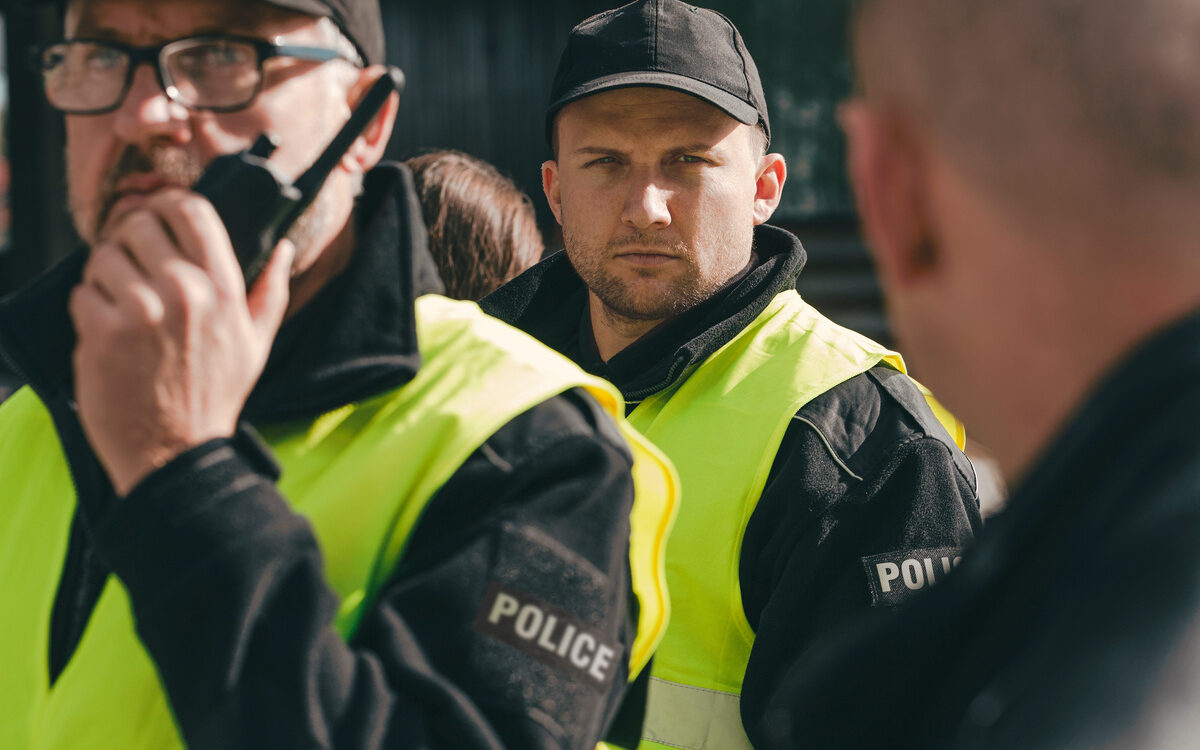
How Low Testosterone in First Responders Affects Police, Fire, and EMS - What You Need to Know About TRT
First responders are trained to push through discomfort. Police officers, firefighters, and EMTs show up regardless of how they feel, perform under pressure, and rarely ask for help. That mindset is part of what makes them effective at their jobs. It is also part of what makes low testosterone in first responders so easy to miss.
The symptoms develop gradually. Fatigue that used to go away after a good night of sleep starts becoming chronic. Strength and endurance that once felt natural begin to decline. Mood becomes harder to manage. Most first responders attribute these changes to the job, to age, or to the cumulative weight of years on the front line. What many do not realize is that their career itself may be directly accelerating hormonal decline, and that there is a clinically proven way to address it.
This blog covers why low testosterone in first responders is more common than most people realize, how the demands of frontline work affect hormone levels, what the symptoms look like, and what TRT can do about it. If you are not yet familiar with how testosterone replacement therapy works, our guide on what testosterone replacement therapy is and how it works is a helpful place to start before reading further.
Why First Responders Are at Higher Risk for Low Testosterone
Testosterone production is highly sensitive to the body’s overall stress load. When the body is under chronic physical or psychological stress, it prioritizes survival over hormone production. For most men, this is an occasional response. For first responders, it is a daily reality.
Several specific factors unique to frontline careers drive testosterone decline faster than normal aging alone.
Shift Work and Disrupted Sleep
Testosterone is primarily produced during deep sleep. Men who work rotating shifts, overnight rotations, or extended 24-hour tours consistently disrupt the sleep cycles their bodies depend on for hormone production. According to the National Institutes of Health, sleep deprivation and circadian rhythm disruption are directly associated with reduced testosterone production in men. A firefighter working a 24-hour shift followed by irregular sleep at home is not giving his body the recovery window it needs to maintain healthy hormone levels.
Chronic Stress and Elevated Cortisol
The relationship between cortisol and testosterone is one of opposition. When cortisol rises, testosterone falls. First responders experience cortisol spikes repeatedly throughout their careers, responding to emergencies, managing life-or-death decisions, and processing traumatic events. Over years of accumulated stress exposure, chronically elevated cortisol suppresses testosterone production at the hormonal signaling level, a condition known as secondary hypogonadism.
According to the American Urological Association, testosterone deficiency resulting from disrupted hormonal signaling is a recognized and treatable medical condition, not simply a normal consequence of aging.
Physical Trauma and Injury
Police officers, firefighters, and EMTs absorb significant physical wear over the course of their careers. Repeated physical trauma, chronic inflammation, and the physical demands of gear, equipment, and emergency response all place ongoing stress on the body. Chronic inflammation is associated with suppressed testosterone production, adding another layer of hormonal pressure on top of sleep disruption and psychological stress.
Occupational Chemical Exposure
Firefighters in particular face documented exposure to endocrine-disrupting chemicals present in smoke, flame retardants, and building materials. Research has identified associations between occupational chemical exposure in firefighters and hormonal disruption, including reduced testosterone levels, making this a population-specific risk factor that deserves more clinical attention than it typically receives.
What Low Testosterone in First Responders Looks Like on the Job
The symptoms of low testosterone in first responders often get interpreted as normal occupational wear rather than a treatable medical condition. Understanding what to look for is the first step toward getting a real answer.
Physical Symptoms
- Persistent fatigue that does not resolve with rest or days off
- Noticeable loss of muscle mass or strength despite maintaining physical training
- Increased body fat, particularly around the midsection, even without changes in diet
- Slower recovery after physically demanding shifts or training
- Decreased bone density, which increases injury risk over time
- Disrupted sleep even when off duty and in a normal sleep environment
Mental and Emotional Symptoms
- Irritability, a shorter fuse, or increased emotional reactivity
- Difficulty concentrating or staying mentally sharp during critical situations
- Low motivation and a reduced sense of drive
- Mood changes including persistent low mood or emotional flatness
- Decreased confidence in professional or personal settings
Performance-Related Symptoms
- Reduced physical endurance during calls, training, or fitness evaluations
- Slower reaction time or decision fatigue
- Difficulty maintaining the physical standards required for the job
- Increased reliance on effort to accomplish tasks that previously felt routine
For a comprehensive breakdown of all the signs to watch for, our guide on low testosterone symptoms and how to know if your levels are too low covers the full clinical picture and what proper testing involves.
Low Testosterone in First Responders: Why It Goes Undiagnosed
Despite how common hormonal decline is in this population, low testosterone in first responders is significantly underdiagnosed. Several factors contribute to this gap.
The Culture of Toughness
First responder culture rewards pushing through. Seeking medical help for fatigue, mood changes, or reduced performance can feel like admitting weakness. Many officers, firefighters, and EMTs quietly manage symptoms for years before anyone suggests a hormonal evaluation.
Symptoms Are Easily Misattributed
Fatigue, irritability, and mood changes in a first responder are almost always attributed to the job. Supervisors, peers, and even primary care providers often accept these symptoms as expected consequences of frontline work rather than investigating a potential clinical cause.
Standard Medical Visits Miss It
A routine annual physical does not automatically include testosterone testing. Unless a provider specifically orders a hormone panel, low testosterone can go undetected for years even in men who see a doctor regularly. Many first responders with significant testosterone deficiency have been told their bloodwork looks fine because no one checked their hormone levels.
How TRT Addresses the Unique Needs of First Responders
Testosterone replacement therapy is a medically supervised treatment that restores testosterone levels to a healthy, functional range in men with confirmed deficiency. For first responders, TRT is not about enhancement. It is about restoring what occupational demands have taken away.
The process begins with comprehensive blood testing including total testosterone, free testosterone, and a full hormone panel to confirm deficiency and rule out other contributing factors. Treatment is only recommended after clinical confirmation, never based on symptoms alone.
Once low testosterone is confirmed, a personalized treatment protocol is developed based on the individual’s hormone levels, lifestyle, and the specific demands of their role. Delivery methods include injections, topical gels, patches, and pellets, and the right option is selected based on schedule, preference, and medical profile.
For first responders specifically, the benefits of properly supervised TRT can include:
- Restored energy and endurance for shift demands and physical training
- Improved muscle maintenance and faster recovery between shifts
- Better mood stability and stress resilience
- Sharper focus and decision-making under pressure
- Improved sleep quality during off-duty rest periods
- Greater confidence and emotional steadiness in high-pressure situations
Ongoing monitoring through regular lab testing ensures hormone levels remain in a safe, effective range throughout treatment. Dosage adjustments are made based on results, not guesswork.
To understand the full scope of what our testosterone replacement therapy program involves, visit our testosterone replacement therapy service page for a detailed overview of our approach and treatment options.
Is TRT Safe for Active First Responders?
This is one of the most common questions first responders ask, and the answer is yes when treatment is properly supervised. A few specific concerns come up regularly in this population.
Will it show up on a drug test?
No. Testosterone is a naturally occurring hormone in the male body. It does not appear on standard occupational or law enforcement drug panels. First responders can undergo TRT without any impact on mandatory drug testing requirements.
Will it affect job performance or fitness evaluations?
Properly supervised TRT is designed to improve physical and cognitive performance, not impair it. Men on TRT commonly report improvements in the exact areas measured by fitness evaluations including endurance, strength, and recovery.
What about cardiovascular health?
Cardiovascular monitoring is a standard component of responsible TRT management. Blood counts, cardiovascular markers, and blood pressure are reviewed regularly throughout treatment. First responders with occupational cardiovascular health requirements can be monitored with those standards in mind.
Frequently Asked Questions
The honest answer is that you cannot know without testing. Many of the symptoms of low testosterone in first responders look identical to normal occupational fatigue. A morning blood test measuring total and free testosterone is the only way to determine whether a hormonal deficiency is contributing to what you are experiencing.
Testosterone levels begin declining naturally after age 30 in all men, but first responders often experience a steeper decline earlier due to the occupational factors described above. It is not uncommon to see significant testosterone deficiency in first responders in their mid to late 30s, well before the age at which most men expect hormonal issues to arise.
Yes. TRT does not interfere with active duty status. It is a medical treatment for a diagnosed hormonal condition, the same as any other medication prescribed for a health issue. Confidentiality is maintained throughout the evaluation and treatment process.
Most first responders report early improvements in energy and sleep quality within two to four weeks. Mood stability and reduced irritability typically follow within four to six weeks. Meaningful improvements in strength, endurance, and body composition generally emerge over three to six months of consistent treatment.
Advanced Medical & Diagnostic Center has a dedicated Wayne, NJ office that specializes in TRT for first responders and working professionals. Our Testosterone Replacement Therapy in Wayne, NJ page outlines what the evaluation process involves, what to expect from treatment, and how to get started.
Conclusion
Low testosterone in first responders is not a weakness. It is a physiological consequence of careers that demand more from the human body than most people will ever experience. Shift work, chronic stress, physical trauma, and years of accumulated occupational demands create the exact hormonal conditions that drive testosterone decline, often earlier and more severely than in the general population.
The symptoms are real, they are treatable, and they do not have to be accepted as the permanent price of the job. If you are a police officer, firefighter, or EMT who has been pushing through fatigue, mood changes, or reduced performance without answers, a hormone evaluation is a straightforward and worthwhile next step.
Have questions about whether TRT might be right for you? Reach out to our team and we are happy to help you understand your options. Need help figuring out your next step? Contact us to discuss your situation or schedule a free consultation.
Disclaimer
This article is intended for informational purposes only and does not constitute medical advice. The content provided here is not a substitute for professional medical evaluation, diagnosis, or treatment. If you are experiencing symptoms of low testosterone or any other health condition, consult a qualified healthcare provider before making any decisions about your care. Individual results and experiences may vary. Testosterone replacement therapy is a medical treatment that requires clinical evaluation and ongoing supervision by a licensed physician.
References
National Institutes of Health. Sleep deprivation and testosterone in men. https://www.nih.gov
American Urological Association. Testosterone deficiency guidelines. https://www.auanet.org/guidelines-and-policies/guidelines/testosterone-deficiency-guideline
Mayo Clinic. Testosterone therapy: Potential benefits and risks. https://www.mayoclinic.org/healthy-lifestyle/sexual-health/in-depth/testosterone-therapy/art-20045728
Journal of Clinical Endocrinology and Metabolism. Cortisol and testosterone interaction in men under chronic stress. https://academic.oup.com/jcem