How Years of Night Shifts Affect the Heart and Lungs of First Responders
Most people understand that being a first responder is physically and mentally demanding. What is less understood is how the structure of the work itself, specifically years of night shifts, rotating schedules, and sleep disruption, quietly damages the cardiovascular and respiratory systems over time. The effects of night shifts on health are cumulative, often invisible for years, and frequently misattributed to aging or stress rather than identified as a preventable occupational health risk.
For police officers, firefighters, and EMTs who have spent years working overnight rotations or 24-hour tours, understanding what those shifts are doing to the heart and lungs is not just useful information. It is clinically important. The conditions that develop from chronic shift work are serious, they are largely silent until they become acute, and they are far more common in first responders than in the general population.
This blog explains exactly how night shift work affects cardiovascular and pulmonary health, what the warning signs look like, and what first responders can do to protect themselves before symptoms appear.
Why Night Shifts Are Harder on the Body Than Day Work
The human body is governed by a 24-hour internal clock called the circadian rhythm. This biological system regulates sleep and wake cycles, hormone release, body temperature, metabolism, immune function, and cardiovascular activity. Every major organ system in the body including the heart and lungs operates on a schedule set by this internal clock.
Night shift work forces the body to function against its natural rhythm. Rather than sleeping when the circadian system is signaling rest and repair, night shift workers are awake, alert, and often physically active. Rather than being active during daylight hours when the body is primed for performance, they are trying to sleep, often poorly and incompletely.
According to the National Institutes of Health, chronic circadian rhythm disruption is associated with increased risk of cardiovascular disease, metabolic dysfunction, and immune system impairment. The longer the duration of shift work exposure, the more significant the cumulative health impact.
For first responders who may spend an entire career on rotating or overnight schedules, this is not a short-term disruption. It is a decades-long physiological challenge that the body never fully adapts to.
The Effects of Night Shifts on Heart Health
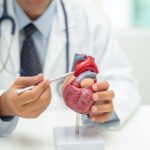
The cardiovascular system is one of the most vulnerable organ systems to the effects of night shifts on health. Multiple mechanisms connect shift work to increased cardiac risk, and they tend to compound each other over time.
Elevated Blood Pressure
Blood pressure follows a natural daily pattern, rising in the morning and dipping during nighttime sleep. This overnight dip is called nocturnal dipping and it plays an important role in cardiovascular recovery and repair. Night shift workers who sleep during the day often lose this nocturnal dip entirely, meaning their blood pressure never gets the regular recovery period it needs.
According to the American Heart Association, non-dipping blood pressure patterns are associated with significantly higher risk of heart attack, stroke, and left ventricular hypertrophy compared to normal dipping patterns. Over years of night shift work, this persistent elevation contributes to chronic hypertension and accelerated cardiovascular aging.
Increased Inflammation
Sleep deprivation triggers the release of pro-inflammatory cytokines, proteins that signal the immune system to respond as if the body is under threat. Chronic low-grade inflammation is one of the primary drivers of atherosclerosis, the buildup of plaque inside arterial walls that leads to heart attack and stroke. First responders who work night shifts for years accumulate a significant inflammatory burden that standard annual physicals often do not measure or address.
Disrupted Cholesterol and Metabolic Function
Night shift workers consistently show less favorable cholesterol profiles compared to day workers, with higher levels of LDL cholesterol and triglycerides and lower levels of protective HDL cholesterol. Insulin sensitivity also decreases with chronic sleep disruption, raising the risk of type 2 diabetes, which is itself a major cardiovascular risk factor.
Higher Risk of Cardiac Events on Duty
Heart attack is one of the leading causes of line of duty death among firefighters and police officers. Research has consistently shown that cardiac events during or immediately after physically demanding calls are disproportionately common in first responders, and that underlying cardiovascular disease accumulated through years of shift work is a major contributing factor. The exertion of emergency response places a sudden acute demand on a cardiovascular system that has been silently weakened over years.
The Effects of Night Shifts on Lung Health
The respiratory system is affected by shift work through several overlapping mechanisms, and the effects are compounded for first responders who also face direct occupational pulmonary hazards.
Reduced Immune Defense in the Airways
The lungs rely on a well-functioning mucociliary clearance system to trap and expel inhaled particles, pathogens, and irritants. This system functions most efficiently during periods of adequate rest. Chronic sleep deprivation impairs mucociliary function, leaving the airways more vulnerable to infection, irritation, and long-term damage from inhaled hazards.
For firefighters and other first responders exposed to smoke, dust, and chemical fumes, this reduced airway defense means that the lungs are less equipped to handle occupational exposures when sleep is chronically disrupted.
Increased Risk of Respiratory Infections
Sleep deprivation is one of the most well-documented risk factors for susceptibility to respiratory infections. First responders working night shifts are more likely to develop upper and lower respiratory infections, and those infections tend to be more severe and longer lasting than in well-rested individuals. Over years, repeated respiratory infections contribute to cumulative airway damage and increased risk of chronic respiratory conditions.
Accelerated Decline in Lung Function
Lung function naturally declines with age, but the rate of decline is significantly accelerated by chronic sleep deprivation, inflammation, and repeated occupational exposure without adequate recovery. First responders who have spent careers on night shifts and who have also experienced regular smoke or chemical exposure face a compounded rate of lung function decline that may not become symptomatic until significant capacity has already been lost.
This is why pulmonary function testing that measures actual airflow and lung capacity is so important for this population. A chest x-ray will not detect early functional decline. Only a pulmonary function test measures what is actually being lost.
Warning Signs First Responders Should Not Ignore
The effects of night shifts on health are insidious precisely because they develop slowly and the early warning signs are easy to rationalize as normal occupational fatigue. These are the signs that warrant a formal cardiovascular and pulmonary evaluation rather than acceptance as normal.
Cardiovascular Warning Signs
- Blood pressure readings that are consistently above normal even on days off
- Shortness of breath during physical exertion that was previously manageable
- Chest discomfort, tightness, or pressure during or after demanding calls
- Heart palpitations or an awareness of irregular heartbeat
- Persistent fatigue that does not improve with rest or time off
- Swelling in the ankles or feet without an obvious cause
Pulmonary Warning Signs
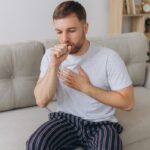
- Chronic cough that persists for weeks without a clear infection
- Shortness of breath during routine physical activity or training
- Reduced stamina or endurance that has declined noticeably over time
- Wheezing or chest tightness particularly after smoke or chemical exposure
- Frequent respiratory infections that seem to linger longer than expected
- A feeling of not being able to take a full deep breath
Any one of these symptoms in a first responder with years of night shift exposure warrants evaluation, not monitoring. The time to detect cardiovascular and pulmonary disease in this population is before a cardiac event or before lung function decline becomes symptomatic enough to affect job performance.
What First Responders Can Do to Protect Their Health
Understanding the effects of night shifts on health is the first step. Taking action is what determines long-term outcomes. There are clinical and lifestyle measures that make a meaningful difference when implemented consistently.
Get a Comprehensive Cardiovascular and Pulmonary Evaluation
This is the single most important step for any first responder with years of shift work exposure. A comprehensive evaluation that includes cardiac stress testing, EKG, blood pressure monitoring, cholesterol and metabolic screening, and pulmonary function testing provides a complete picture of where cardiovascular and respiratory health actually stands. It establishes a baseline for ongoing monitoring and identifies problems while they are still manageable.
Prioritize Sleep Quality During Off Hours
Total sleep hours matter, but sleep quality matters more. First responders sleeping during the day should invest in blackout curtains, consistent sleep schedules even on days off, and sleep environment optimization. Addressing sleep apnea, which is significantly more common in shift workers, is also critical given its direct impact on cardiovascular health.
Monitor Blood Pressure Regularly
Home blood pressure monitoring between medical visits gives first responders real data about how their cardiovascular system is functioning across different shift patterns and workloads. Consistent readings above 130/80 mmHg warrant a clinical conversation.
Address Metabolic Risk Factors Proactively
Cholesterol, blood sugar, and body weight are all influenced by shift work and all directly affect cardiovascular risk. Regular metabolic screening and proactive management of any abnormalities significantly reduces long-term cardiac risk.
Frequently Asked Questions
Research suggests that cardiovascular risk begins to increase after five or more years of regular shift work, with risk rising progressively with longer exposure. However, individual factors including baseline health, genetics, smoking history, and the intensity of occupational demands all influence how quickly risk accumulates. First responders with ten or more years of shift work exposure are generally considered a high-risk group for cardiovascular evaluation purposes.
Partially and over time. Some cardiovascular risk factors such as blood pressure and cholesterol may improve after transitioning to day shifts and improving sleep quality. However, structural changes such as arterial plaque buildup and established lung function decline do not reverse. This is why early detection and intervention during active shift work years produces better outcomes than waiting until retirement.
Firefighters face a particularly high cardiovascular risk profile due to the combination of shift work, acute physical exertion during calls, smoke and chemical exposure, and the physiological stress response triggered by alarms and emergency response. Cardiac events account for a significant proportion of firefighter line of duty deaths annually, making regular cardiovascular evaluation especially critical in this group.
A provider with specific experience in occupational health and diagnostic medicine is the most appropriate choice. General practitioners can order basic screenings, but a clinic that specializes in comprehensive cardiovascular and pulmonary evaluation for first responders will conduct more thorough testing and interpret results within the context of occupational risk factors.
Advanced Medical & Diagnostic Center offers comprehensive cardiovascular and pulmonary testing at our Wayne, NJ office specifically designed for first responders and working professionals. Our cardiovascular and pulmonary testing service page outlines the full range of evaluations available and what the process involves from start to finish.
Conclusion
The effects of night shifts on health are real, measurable, and cumulative. For first responders who have spent years or decades working overnight rotations, rotating schedules, or extended shifts, the cardiovascular and pulmonary systems absorb a level of chronic stress that the general public never faces. The damage is largely silent until it becomes acute, which is exactly why proactive evaluation matters so much in this population.
If you are a police officer, firefighter, or EMT with years of shift work behind you and you have not had a comprehensive cardiovascular and pulmonary evaluation recently, that is the most important next step you can take for your long-term health. Our cardiovascular and pulmonary testing program is designed specifically for first responders and working professionals, providing the thorough diagnostic evaluation that standard annual physicals simply do not include.
The conditions that develop from chronic shift work are serious, but they are also detectable and manageable when identified early. If you are unsure whether cardiovascular and pulmonary testing is appropriate for your situation, our guide on when cardiovascular and pulmonary testing is needed and what symptoms warrant a referral can help you understand what to look for and when to act.
Have questions about what a cardiovascular and pulmonary evaluation involves or whether it is right for your situation? Reach out to our team and we are happy to help you understand your options. Need help figuring out your next step? Contact us to discuss your situation or schedule a consultation.
Disclaimer
This article is intended for informational purposes only and does not constitute medical advice. The content provided here is not a substitute for professional medical evaluation, diagnosis, or treatment. If you are experiencing symptoms of cardiovascular or pulmonary disease or any other health condition, consult a qualified healthcare provider before making any decisions about your care. Individual results and experiences may vary.
References
National Institutes of Health. Circadian rhythm disruption and cardiovascular disease. https://www.nih.gov
American Heart Association. Non-dipping blood pressure and cardiovascular risk. https://www.heart.org
Mayo Clinic. Sleep deprivation and its effects on heart health. https://www.mayoclinic.org
Journal of the American College of Cardiology. Shift work and cardiovascular disease risk. https://www.jacc.org