Advanced Medical & Diagnostic Center

trt clinic near hackensack nj supporting men with fatigue and low energy

Struggling With Fatigue or Low Drive? TRT in Hackensack, NJ Can Help

Struggling With Fatigue or Low Drive? TRT in Hackensack, NJ Can Help Ongoing fatigue, low motivation, and a reduced sense of drive can gradually impact nearly every area of daily life, from work performance to relationships and self-confidence. Many men in Hackensack, New Jersey initially assume these changes are the result of aging, stress, or demanding schedules, without realizing that hormone imbalance may be playing a significant role. At Advanced Medical & Diagnostics Center, we regularly work with men who are searching for real answers and want medically guided care that addresses the underlying cause rather than masking symptoms. As a trusted TRT clinic near Hackensack NJ, our focus is on helping men understand how testosterone levels influence energy, mental clarity, mood stability, and physical well-being. Testosterone replacement therapy is not about shortcuts or unrealistic expectations. It is a structured medical approach designed to restore balance when testosterone levels fall below a healthy range. In this article, we explain why fatigue and low drive are often linked to low testosterone, how proper evaluation works, and what men can expect when exploring care at a TRT clinic near Hackensack NJ.  Understanding Testosterone and Why Declining Levels Matter Testosterone is a primary male hormone that supports multiple systems throughout the body. It plays an important role in muscle development, bone density, red blood cell production, sexual function, and emotional regulation. While testosterone levels naturally decline with age, some men experience a more pronounced decrease that leads to noticeable physical and mental changes. The Connection Between Testosterone and Daily FunctionWhen testosterone levels fall outside an optimal range, the body may struggle to maintain consistent energy and resilience. Men often describe feeling drained earlier in the day, having difficulty sustaining focus, or experiencing a decline in motivation. These changes are not simply psychological. Clinical research has shown that low testosterone is associated with reduced vitality and lower overall quality of life (Lunenfeld et al., 2015). Why Symptoms Are Often OverlookedFatigue and low drive are commonly dismissed as lifestyle issues. Work stress, irregular sleep patterns, and long hours can easily mask hormonal symptoms. As a result, many men delay evaluation until symptoms begin to interfere more significantly with daily responsibilities. This is where assessment at a TRT clinic near Hackensack NJ can provide clarity by evaluating hormone levels alongside overall health factors rather than viewing symptoms in isolation. Fatigue and Low Drive as Signals of Hormonal Imbalance Fatigue related to low testosterone is often persistent and does not fully improve with rest or lifestyle adjustments. Men may feel physically exhausted even after adequate sleep or notice that mental fatigue sets in quickly during routine tasks. Low drive may appear as decreased interest in physical activity, work goals, or intimacy, which can affect both personal satisfaction and relationships. How Low Testosterone Affects Energy and MotivationTestosterone supports metabolic efficiency and neuromuscular function. When levels are low, the body may produce energy less efficiently, leading to sluggishness and reduced stamina. Motivation is also influenced by testosterone through its effect on neurotransmitters involved in mood and reward. According to the Endocrine Society, men with clinically low testosterone frequently report reduced energy levels and diminished motivation compared to men with normal hormone levels (Bhasin et al., 2018). When Healthy Habits are Not EnoughSome men maintain regular exercise routines, balanced diets, and consistent sleep schedules yet continue to experience fatigue and low drive. In these cases, lifestyle changes alone may not resolve symptoms. Evaluation at a TRT clinic near Hackensack NJ helps determine whether hormonal factors are contributing and whether medically supervised therapy may be appropriate. What Evaluation Looks Like at a TRT Clinic Near Hackensack NJ Accurate diagnosis is essential before considering testosterone therapy. At Advanced Medical & Diagnostics Center, evaluation begins with a comprehensive review of symptoms, medical history, and potential risk factors, followed by targeted laboratory testing. The Importance of Proper Hormone TestingTestosterone levels fluctuate throughout the day, which is why blood tests are typically performed in the morning. In some cases, repeat testing is recommended to confirm results. Additional laboratory markers may also be evaluated to provide a more complete understanding of hormone balance and overall health. Medical Guidelines and Patient SafetyClinical guidelines emphasize that testosterone therapy should only be initiated when low testosterone levels are confirmed through laboratory testing and accompanied by consistent symptoms (Bhasin et al., 2018). This evidence-based approach ensures that treatment decisions are appropriate, safe, and tailored to each individual’s health profile.  How Testosterone Replacement Therapy Is Managed Medically Testosterone replacement therapy is not a one-size-fits-all treatment. The goal is to restore testosterone to a healthy physiological range, not to exceed it. Treatment plans are personalized based on laboratory findings, symptom severity, and overall health considerations. Treatment Methods and Ongoing MonitoringTherapy may involve injectable testosterone, topical applications, or other medically approved delivery methods. Regardless of the approach, consistent monitoring is critical. Follow-up visits allow providers to evaluate symptom improvement, adjust dosage when necessary, and monitor laboratory values to maintain safety. The Mayo Clinic emphasizes that regular monitoring during testosterone therapy helps ensure effectiveness while reducing potential risks associated with treatment (Mayo Clinic, 2023). The Benefits of Working With a TRT Clinic Near Hackensack NJ Choosing care at a specialized TRT clinic near Hackensack NJ allows men to receive focused medical attention that addresses hormone health in a structured and responsible way. Rather than relying on generalized treatment models, a dedicated clinic prioritizes individualized care plans supported by diagnostic testing and clinical oversight. Personalized Treatment Based on Individual Health ProfilesEvery patient begins treatment with a unique health history, symptom pattern, and set of goals. Testosterone therapy is tailored accordingly, taking into account age, baseline hormone levels, existing medical conditions, and lifestyle factors. This personalized approach helps ensure that therapy supports overall well-being rather than creating imbalance elsewhere in the body. Men often report gradual improvements in energy, mental clarity, and physical endurance when testosterone levels are restored to a healthy range. These changes tend to develop over time, reinforcing the importance of ongoing

Man experiencing low energy after physical activity, representing concerns addressed by trt treatment near hackensack nj

Feeling Low Energy? TRT Treatment Options in Hackensack, NJ Explained

Feeling Low Energy? TRT Treatment Options in Hackensack, NJ Explained Feeling low energy on a consistent basis can be frustrating, especially when it begins to affect work, relationships, and overall quality of life. Many men in Bergen County find themselves searching for answers when rest, exercise, and dietary changes no longer seem to make a difference. At Advanced Medical & Diagnostics Center, we regularly meet individuals who are researching trt treatment near hackensack nj as part of a broader effort to understand why their energy levels feel different than they once did. Advanced Medical & Diagnostics Center is committed to providing medically guided evaluations and personalized care for men experiencing persistent fatigue and related concerns. Rather than assuming low energy is simply a normal part of aging, our clinical team focuses on identifying potential contributing factors, including hormonal changes, metabolic health, and lifestyle influences. This article explains how testosterone impacts energy, what testosterone replacement therapy involves, and how men in Hackensack, New Jersey can approach treatment decisions in an informed and responsible way.  Why Persistent Low Energy Deserves Medical Attention Low energy becomes concerning when it is no longer occasional or situational. Many men describe a gradual decline in stamina that affects both physical performance and mental clarity. This type of fatigue can feel different from being tired after a long day and may not improve with sleep or time off. Over time, ongoing fatigue can interfere with concentration, motivation, and emotional well-being. These experiences often lead men to explore options such as testosterone replacement therapy hackensack nj, particularly when lifestyle adjustments fail to restore their previous energy levels. Medical evaluation helps distinguish between temporary fatigue and symptoms that may be linked to underlying physiological changes.  How Testosterone Influences Energy and Daily Function Testosterone plays an essential role in several systems that influence how energized the body feels throughout the day. It supports muscle strength, red blood cell production, metabolic efficiency, and mood regulation. When testosterone levels decline, the effects may be subtle at first but often become more noticeable over time. Men with lower testosterone levels may experience reduced endurance, slower recovery after physical activity, and increased mental fatigue. According to clinical guidance from the Mayo Clinic, confirmed low testosterone levels in men can be associated with fatigue, decreased muscle mass, and changes in mood when evaluated through appropriate testing. These connections help explain why low testosterone treatment hackensack nj is frequently discussed during medical consultations focused on energy concerns. Recognizing Patterns Linked to Hormonal Changes Hormone-related fatigue rarely appears suddenly. Instead, many men notice a slow shift in how their body responds to everyday demands. Tasks that once felt manageable may require more effort, and physical activity may feel more draining than expected. Some men also report difficulty staying mentally focused throughout the day or feeling less motivated to engage in activities they previously enjoyed. These patterns are often explored during visits to a trt clinic in hackensack nj, where providers assess symptoms in context rather than isolating them from overall health history. Understanding What Testosterone Replacement Therapy Is Testosterone replacement therapy is a medically supervised approach designed for men with clinically low testosterone levels confirmed through laboratory testing. TRT is not intended as a shortcut for improving performance or energy. Its purpose is to help restore hormone levels to a healthy range under professional oversight. Men considering hormone therapy for men in hackensack nj often do so after careful evaluation and discussion with a medical provider. Treatment decisions are based on objective test results, symptom patterns, and individual health factors. This structured approach helps ensure that therapy is appropriate and aligned with long-term wellness goals.  Why Proper Evaluation Comes Before Treatment Testosterone levels naturally fluctuate and can be influenced by time of day, stress, sleep, and illness. Because of this variability, symptoms alone are not enough to determine whether TRT is appropriate. A thorough evaluation is essential before any treatment is considered. At a men’s hormone clinic hackensack nj, providers review blood test results alongside medical history, current medications, and lifestyle factors. This comprehensive process helps rule out other potential causes of fatigue, such as thyroid disorders, sleep apnea, or metabolic conditions, which may require different forms of care. Exploring the Link Between Testosterone Deficiency and Fatigue Testosterone deficiency does not affect every man in the same way. Some individuals experience primarily physical fatigue, while others notice emotional or cognitive changes. This variability underscores the importance of individualized evaluation rather than assumptions. Men who explore testosterone therapy for low energy often do so because fatigue has begun to impact productivity or daily comfort. When low testosterone is confirmed, treatment may be discussed as one part of a broader health strategy rather than a standalone solution. Factors That Contribute to Lower Testosterone Levels While aging is commonly associated with declining testosterone, it is not the only contributing factor. Chronic stress, excess body weight, poor sleep quality, and certain medical conditions can all influence hormone production over time. Understanding the causes of low testosterone in men allows providers to address contributing factors alongside any treatment recommendations. This may include guidance on sleep habits, nutrition, physical activity, and stress management in addition to medical options. How TRT Fits Into Ongoing Men’s Health Care TRT is typically integrated into a larger framework of men’s health care rather than approached as a single intervention. Ongoing monitoring, follow-up appointments, and communication with medical providers are essential components of safe and effective care. Men pursuing trt for fatigue and low energy often benefit from regular check-ins that allow providers to track hormone levels and overall response. This ongoing oversight supports safety and helps ensure treatment remains appropriate over time. Initial Testing and Diagnostic Considerations The diagnostic process for TRT begins with laboratory testing. Blood tests are used to measure testosterone levels and related markers that provide insight into hormonal balance. These results help determine whether symptoms align with clinical findings. Men undergoing testosterone testing hackensack nj are encouraged to review results carefully with

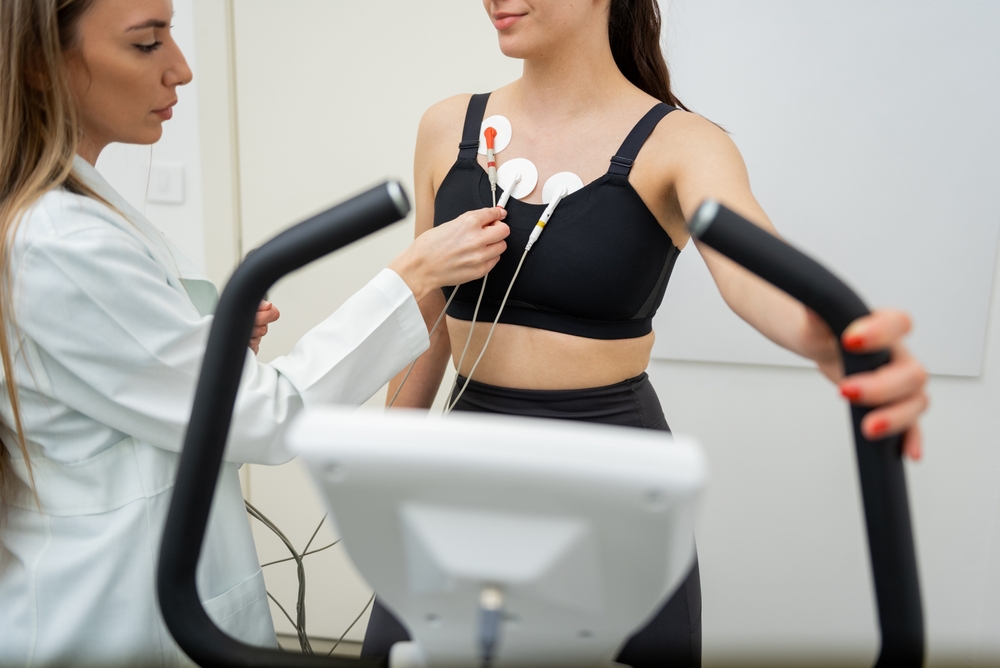
cardiopulmonary testing in Hackensack NJ showing heart and lung monitoring during supervised exercise evaluation

Understanding Cardiovascular and Pulmonary Testing in Hackensack, NJ and When You May Need It

Understanding Cardiovascular and Pulmonary Testing in Hackensack, NJ and When You May Need It Cardiovascular and respiratory health are closely connected, and even subtle changes in either system can affect daily energy, physical endurance, and long-term wellness. For patients seeking clear answers about symptoms such as shortness of breath, fatigue, or reduced exercise tolerance, cardiopulmonary testing in Hackensack NJ provides valuable insight into how the heart and lungs function together. These diagnostic evaluations help identify concerns early and support informed, preventive care decisions. At Advanced Medical & Diagnostics Center, we offer comprehensive diagnostic services designed to evaluate heart and lung performance using evidence-based testing methods. Our team focuses on patient comfort, clinical accuracy, and clear communication so individuals throughout Hackensack and surrounding communities can better understand their cardiopulmonary health and next steps.  What Cardiopulmonary Testing Measures Cardiopulmonary testing evaluates how efficiently the heart, lungs, and circulatory system work together to deliver oxygen throughout the body. Because these systems are interdependent, testing them together often provides more meaningful clinical information than evaluating each organ separately. Cardiopulmonary testing in Hackensack NJ is commonly used for diagnostic clarification, preventive screening, and ongoing monitoring for patients with symptoms or known risk factors. How the Heart and Lungs Work Together The lungs are responsible for oxygen exchange, while the heart circulates oxygen-rich blood to muscles and organs. When either system is under stress, the other must compensate. Cardiopulmonary testing evaluates this interaction under both resting and exertional conditions. This combined approach helps identify whether symptoms originate from cardiovascular strain, respiratory limitation, or a combination of both. Why Combined Evaluation Is Important Some patients experience symptoms only during physical activity, while routine exams appear normal. Cardiopulmonary testing in Hackensack NJ helps uncover exercise-related limitations that may not be evident during rest-based evaluations.  Common Types Of Cardiopulmonary Testing Several diagnostic tools may be used depending on symptoms, medical history, and clinical goals. Each test provides specific data that contributes to a comprehensive assessment. Cardiac Stress Testing Cardiac stress testing evaluates how the heart responds to increasing physical demand. Heart rhythm, blood pressure, and oxygen use are monitored as activity levels rise in a controlled environment. This test is frequently included in cardiopulmonary testing in Hackensack NJ for individuals with chest discomfort, reduced stamina, or cardiovascular risk factors. Pulmonary Function Testing Pulmonary function tests measure lung capacity, airflow, and breathing efficiency. These tests are commonly used to evaluate respiratory symptoms such as chronic cough, wheezing, or unexplained shortness of breath. Pulmonary testing plays a key role when breathing limitations affect daily activities or exercise tolerance. Cardiopulmonary Exercise Testing Cardiopulmonary exercise testing combines heart monitoring, respiratory measurements, and oxygen consumption analysis during controlled exercise. It provides detailed insight into how efficiently the heart and lungs work together under stress. Cardiopulmonary testing in Hackensack NJ using this method is especially helpful for patients with complex or unexplained symptoms. When Cardiopulmonary Testing Is Recommended Not every patient needs cardiopulmonary testing, but certain symptoms and risk factors make evaluation especially valuable. Early testing can help prevent complications and guide timely care. Symptoms That May Indicate A Need For Testing Healthcare providers may recommend cardiopulmonary testing in Hackensack NJ when patients report ongoing or unexplained symptoms such as: Shortness of breath during routine activity Chest pressure or discomfort with exertion Lightheadedness or dizziness Persistent fatigue without a clear cause These symptoms do not always signal serious disease, but testing helps clarify their origin. Risk Factors That Increase The Importance Of Evaluation Patients with a history of heart disease, lung disease, smoking, high blood pressure, or diabetes may benefit from cardiopulmonary testing. Family history and age can also influence testing recommendations. How Cardiopulmonary Testing Supports Preventive Care Preventive healthcare focuses on identifying potential problems before they become advanced or harder to manage. Cardiopulmonary testing in Hackensack NJ supports this approach by providing objective, measurable data. Identifying Early Functional Changes Testing can reveal subtle declines in cardiovascular or respiratory performance before symptoms significantly impact daily life. Early detection allows providers to recommend lifestyle adjustments or further evaluation as needed. Guiding Safe Physical Activity For patients beginning or modifying an exercise routine, cardiopulmonary testing helps define safe activity levels. Understanding physical capacity reduces the risk of overexertion and supports long-term fitness goals.  What To Expect During A Cardiopulmonary Testing Appointment Knowing what happens during testing can help patients feel more comfortable and prepared. Most cardiopulmonary tests are non-invasive and conducted under close supervision. Preparing For Your Appointment Patients may be asked to avoid heavy meals, caffeine, or strenuous activity before testing. Comfortable clothing and appropriate footwear are usually recommended for exercise-based evaluations. Your provider will review medical history and explain the testing process in detail before beginning. During The Testing Process Monitoring equipment tracks heart rhythm, breathing patterns, and oxygen levels throughout the evaluation. Intensity increases gradually and is adjusted based on patient tolerance and safety. Cardiopulmonary testing in Hackensack NJ is performed with continuous monitoring to ensure patient well-being at all times. Understanding Your Cardiopulmonary Test Results After completing testing, patients often want to know what the results mean and how they apply to daily health. Cardiopulmonary testing in Hackensack NJ provides detailed data that helps clinicians evaluate cardiovascular efficiency, lung capacity, and oxygen utilization. Results are reviewed in context with symptoms, medical history, and overall health goals. This ensures findings are interpreted accurately and meaningfully. What Normal Results Typically Indicate Normal test results suggest that the heart and lungs are functioning efficiently during rest and exertion. For many patients, this outcome provides reassurance and helps rule out serious cardiopulmonary conditions as the cause of symptoms. In these cases, providers may explore other contributing factors such as conditioning level, lifestyle habits, or non-cardiopulmonary causes. What Abnormal Results May Reveal Abnormal findings may indicate reduced cardiac output, impaired lung function, or limited oxygen delivery during activity. Cardiopulmonary testing in Hackensack NJ helps identify whether limitations stem from cardiovascular strain, respiratory restriction, or both. These insights guide further evaluation, monitoring, or referral when necessary.  How Cardiopulmonary

Heart and lung testing in Hackensack NJ during a cardiovascular diagnostic stress test

Why Cardiovascular and Pulmonary Testing in Hackensack, NJ Is Essential for Long-Term Health

Why Cardiovascular and Pulmonary Testing in Hackensack, NJ Is Essential for Long-Term Health Long-term health depends heavily on how well the heart and lungs work together to support the body’s daily demands. At Advanced Medical & Diagnostics Center, we provide comprehensive diagnostic evaluations designed to help individuals better understand their cardiovascular and respiratory health before problems escalate. For patients seeking proactive care, heart and lung testing in Hackensack NJ plays a vital role in early detection, prevention, and long-term wellness planning. As people age or experience lifestyle changes, subtle shifts in heart and lung performance can occur without obvious symptoms. Diagnostic testing allows providers to identify these changes early and guide informed decisions that support lasting health. Through accurate, noninvasive evaluations, heart and lung testing in Hackensack NJ helps patients take control of their health with confidence and clarity. The Importance of Early Detection in Cardiovascular and Pulmonary Health Many cardiovascular and respiratory conditions develop gradually. Symptoms often appear only after significant progression, which makes early diagnostic testing essential for prevention. Identifying Subtle Changes Early Minor abnormalities in heart rhythm, blood flow, or lung capacity can signal early-stage conditions. Heart and lung testing in Hackensack NJ helps detect these changes before they interfere with daily activities or lead to more serious complications. According to the Centers for Disease Control and Prevention, early screening and monitoring are key strategies for reducing the long-term impact of heart and lung disease. Preventing Long-Term Complications Untreated heart or lung issues may increase the risk of fatigue, reduced mobility, or chronic disease progression. Diagnostic testing allows healthcare providers to recommend lifestyle adjustments, monitoring plans, or follow-up care tailored to individual needs.  Who Should Consider Cardiovascular and Pulmonary Testing Diagnostic testing is not limited to individuals with existing medical conditions. Many people benefit from evaluations even when they feel generally healthy. Adults With Risk Factors Individuals with a family history of heart disease, high blood pressure, asthma, or respiratory conditions may benefit from baseline testing. Heart and lung testing in Hackensack NJ provides valuable data that supports early intervention and long-term monitoring. People Experiencing Mild or Persistent Symptoms Shortness of breath, chest discomfort, dizziness, or unexplained fatigue should not be ignored. Testing helps determine whether symptoms are related to cardiovascular or pulmonary function or other underlying factors. Patients Focused on Preventive Care Preventive testing supports long-term wellness by identifying risks early. Many patients choose heart and lung testing in Hackensack NJ as part of routine health planning, even without noticeable symptoms. Common Types of Cardiovascular Evaluations Cardiovascular testing includes several noninvasive procedures that assess how the heart performs under different conditions. Electrocardiograms And Heart Rhythm Monitoring Electrocardiograms record electrical activity to detect irregular heart rhythms or signs of strain. These tests are quick and provide valuable insight into cardiac function. Exercise Stress Testing Stress testing evaluates how the heart responds to physical exertion. This assessment helps identify circulation issues that may not appear during rest and is often used as part of heart and lung testing in Hackensack NJ. Common Types of Pulmonary Evaluations Pulmonary testing focuses on lung performance, airflow, and oxygen exchange. These assessments are essential for understanding respiratory efficiency. Pulmonary Function Testing Pulmonary function tests measure lung capacity and airflow to evaluate conditions such as asthma or chronic respiratory issues. Results help providers understand how effectively the lungs support oxygen delivery. Oxygen Saturation And Breathing Efficiency Monitoring oxygen levels during activity or rest helps identify limitations in respiratory performance. When combined with cardiovascular evaluations, these tests offer a comprehensive view of cardiopulmonary health. How Diagnostic Testing Supports Personalized Care Test results allow healthcare providers to move beyond assumptions and create care plans based on objective data. Tailoring Health Recommendations Diagnostic findings guide recommendations related to physical activity, monitoring frequency, and lifestyle adjustments. Heart and lung testing in Hackensack NJ ensures that care decisions are personalized rather than generalized. Establishing A Long-Term Health Baseline Baseline results provide a reference point for future evaluations. Over time, repeat testing helps track changes and assess the effectiveness of preventive strategies. Why Diagnostic Accuracy Matters for Long-Term Outcomes Accurate diagnostic data is the foundation of effective healthcare planning. When cardiovascular and respiratory evaluations are performed with precision, providers gain clearer insight into how the body responds to both rest and activity. Heart and lung testing in Hackensack NJ supports long-term outcomes by reducing uncertainty. Clear results help guide appropriate next steps, whether that involves monitoring, lifestyle adjustments, or coordination with other medical providers. The Role of Testing in Managing Chronic Conditions For individuals managing chronic health concerns, diagnostic testing offers ongoing insight rather than one-time answers. Many heart and lung conditions require periodic evaluation to assess stability and progression. Monitoring Changes Over Time Repeat testing allows providers to compare results against established baselines. Small changes in performance can be identified early, helping prevent setbacks and support consistency in care planning. Heart and lung testing in Hackensack NJ is often used to monitor conditions such as high blood pressure, asthma, or reduced exercise tolerance. Supporting Safer Activity Levels Understanding cardiopulmonary limits helps individuals engage in physical activity more safely. Testing results can guide appropriate exercise intensity and reduce the risk of overexertion.  How Lifestyle Factors Influence Heart and Lung Performance Daily habits have a direct impact on cardiovascular and respiratory health. Diagnostic testing helps connect lifestyle factors with measurable outcomes. Physical Activity And Endurance Regular movement supports circulation and lung efficiency, but underlying limitations may not be obvious without testing. Heart and lung testing in Hackensack NJ helps determine how the body responds to exertion and recovery. Stress, Sleep, And Overall Wellness Chronic stress and poor sleep patterns can affect heart rhythm and breathing efficiency. Diagnostic evaluations help providers assess whether these factors may be contributing to reduced performance or fatigue. The Value of Local Diagnostic Care in Hackensack, NJ Receiving care close to home supports continuity, accessibility, and follow-through. Local diagnostic centers understand regional patient needs and coordinate care efficiently. At Advanced Medical & Diagnostics Center, patients

Man undergoing supervised cardio testing in Wayne NJ during a clinical heart health evaluation

High Stakes: Cardio Testing for Emergency Personnel in Wayne, NJ

High Stakes: Cardio Testing for Emergency Personnel in Wayne, NJ Emergency personnel face some of the toughest physical and psychological demands in the workforce today, and their ability to respond rapidly under pressure often depends on strong cardiovascular health. At Advanced Medical & Diagnostic Center, supporting the readiness and long term wellness of first responders is a core part of the mission. As more departments recognize the connection between performance and heart health, many are turning to structured cardio testing in Wayne NJ to help ensure their teams remain safe, capable, and prepared for any situation. Cardiovascular assessments play a crucial role in detecting early risks, improving fitness levels, and helping agencies build healthier, more resilient workforces. For emergency workers who operate in unpredictable environments, these evaluations provide insight into how the body responds to strain and help determine whether additional medical follow up or conditioning is necessary. The growing interest in cardio testing in Wayne NJ reflects how important preventive care has become for those who serve on the front lines.  Why Cardiovascular Readiness Matters for First Responders Emergency personnel operate in environments where physical output must increase instantly. Firefighters may transition from resting heart rates to peak exertion in seconds. Police officers often experience sudden surges of adrenaline that impact blood pressure, breathing, and cardiac workload. EMS teams frequently lift heavy equipment or patients while working in confined or hazardous spaces. These real world demands highlight why many agencies invest in cardio testing in Wayne NJ, using evaluations to help identify risks early and maintain the high level of performance the job requires. Studies show that emergency responders experience elevated rates of cardiovascular events due to the combination of occupational stress, irregular sleep schedules, and high intensity activity (American Heart Association, 2024). Without proper screening, underlying conditions may go unnoticed until they trigger severe complications. For this reason, a structured cardiac testing program provides measurable benefits for both individual responders and entire departments.  How Emergency Work Impacts the Heart The cardiovascular strain of emergency work differs significantly from typical physical activity. Responders may alternate between long periods of inactivity and sudden bursts of demanding labor. This stop and start pattern places intense pressure on the heart and circulatory system. Over time, factors such as heat exposure, emotional stress, heavy lifting, and unpredictable physical workloads can increase the risk of hypertension, arrhythmias, or coronary artery disease. These occupational challenges are why comprehensive evaluations such as cardio testing in Wayne NJ are becoming more widely implemented. By understanding each responder’s baseline and peak capacity, medical teams can make more informed recommendations about conditioning, recovery, and overall wellness.  What Cardio Testing Typically Includes Cardio testing encompasses several types of assessments designed to evaluate heart function, endurance, and physiological responses. Depending on department needs, a testing protocol may be tailored to specific job roles or fitness standards. Stress Testing A cardiovascular stress test measures how the heart performs during graded physical activity. Most responders walk or jog on a treadmill while clinicians monitor heart rate, blood pressure, and rhythm. According to the Mayo Clinic, stress testing is one of the most effective tools for identifying coronary artery disease and irregular heart rhythms in a controlled environment (Mayo Clinic, 2024). Many Wayne area departments rely on cardio testing in Wayne NJ to support early detection and timely intervention. VO2 Max and Endurance Evaluations VO2 max testing helps determine aerobic capacity, which is essential for long duration emergencies such as structure fires or prolonged medical calls. When first responders understand their endurance levels, they can adjust training and conditioning programs to improve performance. Agencies that incorporate cardio testing in Wayne NJ often use these assessments to measure annual fitness benchmarks. Resting Heart Health Screening Resting evaluations may include blood pressure assessments, electrocardiograms, cholesterol measurements, and metabolic indicators. These screenings help uncover silent risk factors that may not appear during physical exertion but can influence long term cardiovascular health. Functional and Occupational Readiness Testing Some departments request functional tests that simulate real world movements such as stair climbing, lifting, or sustained walking. These targeted measures provide insight into whether individuals can meet job demands safely and efficiently. Together, these assessments create a comprehensive profile of a responder’s cardiovascular health and help clinicians determine whether additional testing or medical clearance is necessary.  Why Departments Are Prioritizing Cardio Testing Emergency agencies in Wayne are increasingly recognizing the value of consistent evaluations. For many departments, cardio testing in Wayne NJ has become a central component of their wellness and safety programs, offering benefits that extend far beyond traditional physical exams. Reducing On Duty Medical Emergencies One of the leading causes of line of duty deaths, particularly among firefighters, is sudden cardiac events (National Fire Protection Association, 2023). Early testing helps detect risk factors before they escalate into medical emergencies. Enhancing Physical Performance and Stamina Testing results provide responders with actionable data to improve conditioning. When individuals understand their heart’s limitations and strengths, they can tailor workouts to enhance efficiency and endurance. Improving Team Readiness A department is only as strong as its personnel. By prioritizing cardio testing in Wayne NJ, leadership ensures that teams remain capable of meeting physical demands consistently. This supports operational strength, reduces downtime, and helps maintain high performance levels. Supporting Mental Confidence and Overall Wellness Knowing that one’s cardiovascular health has been professionally evaluated boosts confidence. Responders who feel physically prepared are better equipped to manage job stress and maintain emotional resilience. Who Benefits Most From Comprehensive Cardio Testing While all emergency personnel face cardiovascular risks, certain job categories experience higher levels of physical strain, emotional stress, and unpredictable workloads. Understanding these differences helps departments tailor assessments and wellness programs more effectively. Many organizations use cardio testing in Wayne NJ as part of a broader approach to protecting the health of their workforce. Firefighters Firefighters often carry heavy gear, work in extreme heat, and perform strenuous tasks such as climbing ladders, ventilating structures, or advancing hose lines. These activities require a strong cardiovascular

Man undergoing cardiopulmonary exercise exam during cardiovascular testing in Hackensack NJ

Why Cardiovascular and Pulmonary Testing Matters for Police, Fire, and EMS in Hackensack, NJ

Why Cardiovascular and Pulmonary Testing Matters for Police, Fire, and EMS in Hackensack, NJ First responders face some of the most physically demanding work environments in the country, which is why many departments throughout the region turn to Advanced Medical & Diagnostics Center for detailed cardiovascular and pulmonary evaluations. Police officers, firefighters, and EMS professionals endure unpredictable physical stress, long work hours, and high-intensity situations that test the limits of their heart and lung capacity. As these demands continue to increase, the need for structured health assessments has become essential for ensuring the safety, performance, and longevity of New Jersey’s emergency personnel. In this comprehensive guide, we explore why cardiovascular testing in Hackensack NJ matters, how it supports front-line workers, and what every department should understand about maintaining long-term health in the field. Strong cardiopulmonary function is not simply recommended for public safety professionals; it is a foundational requirement for performing the duties expected of them. Whether they are climbing multiple flights of stairs, carrying heavy protective gear, pursuing suspects, or responding to medical emergencies, their bodies must react quickly and efficiently under extreme pressure. The clinicians at Advanced Medical & Diagnostics Center specialize in evaluating these exact challenges, ensuring that every responder receives evidence-based assessments that align with their occupational needs. This introduction sets the stage for why comprehensive testing is becoming a standard expectation across law enforcement, fire services, and emergency medical teams.  Why Heart and Lung Health Should Be a Priority for First Responders The Impact of Physical Stress in Emergency WorkEmergency responders operate under conditions that consistently elevate cardiovascular strain. Police officers may transition from a stationary patrol to a sprint without warning. Firefighters lift hoses, climb ladders, and work inside extremely hot environments that place immense demand on the heart and lungs. EMS workers carry patients, handle heavy equipment, and perform medical procedures while maintaining rapid situational awareness. These high-stress moments are precisely why cardiovascular testing in Hackensack NJ is widely recommended among agencies that want to monitor health risks before they lead to more serious complications. Studies from the American Heart Association show that sudden cardiac events are a leading cause of line-of-duty deaths among firefighters and a significant risk for law enforcement professionals as well (American Heart Association, 2023). Medical literature also highlights that underlying cardiovascular conditions often remain undetected until they are triggered by intense physical activity. Regular monitoring provides early insight into potential problems and creates opportunities for intervention long before symptoms escalate.  Understanding Respiratory Challenges Unique to Each FieldWhile all responders depend on strong lung function, each discipline encounters different environmental exposures. Firefighters, for instance, face smoke, particulate matter, chemical fumes, and extreme heat. Over time, these exposures may reduce lung capacity or contribute to chronic respiratory issues if not identified early. Cardiovascular testing in Hackensack NJ often includes pulmonary function evaluations to determine how well the lungs expand and process oxygen in stressful environments. Police officers and EMS personnel may not face the same airborne irritants as firefighters, but they still rely heavily on optimal breathing performance for endurance, cognitive clarity, and rapid decision-making. Even mild respiratory impairments can compromise effectiveness in the field. What Cardiovascular Testing Actually Measures Evaluating Heart Rate, Blood Flow, and CirculationCardiovascular assessments are designed to measure how the heart performs during rest and under physical strain. Many of the evaluations used during cardiovascular testing in Hackensack NJ include treadmill or cycle-based protocols that gradually increase intensity. These tests track heart rate, blood flow efficiency, blood pressure patterns, and electrical activity to determine whether the heart responds appropriately to stress. A key goal is to identify abnormalities that may not appear during routine check-ups. For example, arrhythmias, reduced cardiac output, or delayed recovery rates may become apparent only during structured exercise evaluations. When detected early, they can be managed safely through medical guidance and lifestyle modifications. Measuring Oxygen Consumption and EnduranceA significant component of these assessments includes VO2 max testing, which calculates how efficiently the body utilizes oxygen during exertion. This metric is a strong predictor of cardiovascular resilience. High aerobic capacity helps first responders perform longer, recover faster, and remain mentally sharp throughout demanding tasks. When first responders participate in cardiovascular testing in Hackensack NJ, clinicians analyze how well their heart, lungs, and muscles work together to sustain energy output. Identifying Thresholds of Physical CapabilityEvery individual has personal limits based on age, conditioning, and overall health. Testing helps define these boundaries to prevent unnecessary strain or injury. For example, a firefighter with excellent strength but reduced endurance may struggle during prolonged rescues or ventilation operations. Cardiovascular testing in Hackensack NJ helps pinpoint these discrepancies and provides actionable insights for training improvements. The Role of Pulmonary Function Testing in First Responder Safety Why Lung Capacity Matters in High-Stress OperationsPulmonary function tests evaluate airflow strength, lung volume, and the ability to move oxygen efficiently into the bloodstream. For firefighters, even minor reductions in lung capacity can affect performance while wearing heavy protective gear or working inside smoke-filled structures. For police and EMS professionals, pulmonary efficiency supports decision-making, stamina, and the ability to stay alert during long shifts. Testing often includes spirometry, diffusion capacity evaluations, and respiratory resistance measurements. Combined with cardiovascular testing in Hackensack NJ, these assessments give agencies a complete picture of how well responders can handle real-world physical demands. Detecting Respiratory Conditions Before They Become DebilitatingMany respiratory issues develop slowly. Asthma, chronic bronchitis, airway inflammation, or smoke-related irritation may not be easily noticeable in early stages. Catching these concerns early allows responders to take corrective steps, receive treatment, or adjust workload expectations based on medical guidance. These proactive measures reduce long-term risks and help maintain career longevity.  How First Responders Benefit From Combined Cardiopulmonary Testing A Holistic View of Physical ReadinessWhen both cardiovascular and pulmonary results are evaluated together, departments gain a detailed understanding of their team’s operational capabilities. This holistic approach is one of the reasons many agencies request cardiovascular testing in Hackensack NJ on an annual or biannual schedule. The information

Police officer representing first responders who may seek low testosterone treatment in Wayne NJ

Did You Know High-Stress Roles Can Influence Hormone Levels? Why More First Responders in Wayne, NJ Are Asking About TRT

Did You Know High-Stress Roles Can Influence Hormone Levels? Why More First Responders in Wayne, NJ Are Asking About TRT First responders face daily pressures that most people never see, and these demands can influence far more than physical endurance. At Advanced Medical & Diagnostics Center in Wayne, NJ, many police officers, firefighters, and EMS professionals visit to understand whether the symptoms they experience might be connected to hormonal changes. As awareness grows, more individuals are exploring low testosterone treatment in Wayne NJ to find clarity, evaluate symptoms, and support their long-term well-being. Understanding how stress affects hormone levels is important for professionals who work in unpredictable, high-intensity environments. These men often notice changes in their energy, mood, or performance but may not realize that the constant cycle of adrenaline, interrupted sleep, and rapid decision-making can influence their hormonal balance. This article explains why first responders are increasingly seeking low testosterone treatment in Wayne NJ and how hormone health plays a meaningful role in their daily performance.  Understanding How Stress Affects Hormone Balance High-pressure jobs can elevate stress hormones, particularly cortisol. When cortisol remains elevated for long periods, it can interfere with the body’s ability to maintain steady testosterone levels. According to research, chronic stress may influence hormone production and contribute to symptoms that many men find difficult to explain (Cleveland Clinic, Hormones, n.d.). This is one reason more individuals are considering low testosterone treatment in Wayne NJ to gain deeper insight into their health. Why First Responders Experience Unique Stress LoadsProfessionals in police, firefighting, and emergency medical services experience situations that require quick thinking and immediate physical readiness. Even when off duty, their bodies may remain in a heightened state of alert, which can add to hormonal strain. Over time, this can lead to symptoms that prompt interest in low testosterone treatment in Wayne NJ, especially when these symptoms begin interfering with work performance. When Stress and Hormone Changes OverlapIt is normal to feel drained after a demanding shift, but persistent changes may signal a deeper imbalance. Some first responders notice:• Slower recovery after physical exertion• Mood fluctuations• Lower motivation• A drop in stamina or confidence None of these symptoms automatically indicate low testosterone, but they can motivate individuals to request testing or consultation.  Recognizing Potential Symptoms of Low Testosterone Symptoms of low testosterone can vary widely and may be mistaken for normal fatigue or burnout. This becomes especially challenging for first responders, who are trained to manage stress and push through discomfort. Common Physical SignsMany first responders who seek low testosterone treatment in Wayne NJ report similar physical changes, such as decreased strength, more frequent exhaustion, or muscle soreness that lasts longer than expected. Because their daily responsibilities depend on physical readiness, these changes are often noticed quickly. Changes in Mental and Emotional HealthTestosterone influences more than strength. It can affect cognitive clarity, decision-making, and emotional consistency. When men start to feel mentally foggy, easily irritated, or disconnected from their usual routines, they sometimes begin to explore whether hormones may be part of the cause. Lifestyle Factors That Can Make Symptoms More NoticeableSeveral lifestyle challenges common among first responders can magnify hormonal shifts:• Irregular sleep schedules• Overnight shifts• Interrupted eating patterns• High alertness demands• Physical strain These factors can compound stress and contribute to more noticeable symptoms, often prompting an evaluation for low testosterone treatment in Wayne NJ to ensure nothing is overlooked. Why More First Responders in Wayne, NJ Are Exploring TRT While testosterone replacement therapy is not right for everyone, interest in hormone evaluation has grown substantially among local first responders. Men increasingly want to know not just what is happening in their bodies, but why. Growing Awareness of Hormone Health in High-Stress CareersYears ago, conversations about hormone balance were less common. Today, clinical research and public education have made men more aware of how stress, sleep disruption, and workload can influence testosterone. This has led to higher demand for low testosterone treatment in Wayne NJ among those seeking a clear explanation for symptoms that persist. Shift Work and Sleep DisruptionIrregular sleep schedules have been shown to influence hormone levels. In one study, sleep deprivation was linked to notable decreases in testosterone levels in men (Morselli, Leproult, & Spiegel, 2013). Since many first responders work overnight or rotate shifts, sleep disruption becomes a major factor behind their interest in low testosterone treatment in Wayne NJ. Performance Expectations and Long-Term WellnessFirst responders depend on their bodies and minds to function at a high level every day. Feeling off balance or fatigued can affect job confidence. For some, seeking low testosterone treatment in Wayne NJ becomes a proactive choice to stay ahead of potential wellness concerns.  How Hormone Evaluation Helps First Responders Gain Clarity Before any treatment can be considered, proper evaluation is essential. At Advanced Medical & Diagnostics Center, hormone testing helps determine the source of symptoms rather than assuming low testosterone is the issue. What a Typical Evaluation IncludesAn evaluation may include:• Bloodwork to measure hormone levels• A review of symptoms, lifestyle, and medical history• Discussion of stress, sleep, and shift schedules• Additional testing, depending on the individual This thorough approach helps identify whether low testosterone treatment in Wayne NJ is a suitable next step or whether symptoms may stem from unrelated factors. Why Every Case Is DifferentHormone needs vary widely. Two individuals can experience the same symptoms but have completely different hormone profiles. A tailored evaluation ensures that treatment recommendations are safe, appropriate, and aligned with the person’s long-term health. The Role of MonitoringIf treatment is recommended, ongoing monitoring ensures stable, healthy levels. First responders value this structure because it provides consistent updates on how their bodies respond to adjustments.  How Balanced Testosterone Levels Can Support Daily Performance Hormone balance can influence strength, stamina, mental sharpness, and recovery. These qualities are especially important for those working in physically and mentally demanding roles. Improved Energy and EnduranceMany men report steadier daytime energy when testosterone is within a healthy range. This is one of the reasons

Two firefighters in full gear standing inside a fire station, representing first responders affected by low testosterone in Hackensack NJ.

How Low Testosterone Affects First Responders: What Police, Fire, and EMS in Hackensack, NJ Should Know About TRT

How Low Testosterone Affects First Responders: What Police, Fire, and EMS in Hackensack, NJ Should Know About TRT First responders carry a tremendous responsibility that requires physical strength, fast decision making, and the ability to stay calm under intense pressure. At Advanced Medical & Diagnostics Center in Hackensack, our team works with many individuals who serve in police, fire, and EMS roles and want to better understand how hormonal changes impact performance and long-term wellness. As awareness grows regarding low testosterone in Hackensack NJ, more first responders are asking how this condition affects stamina, focus, sleep quality, emotional stability, and overall readiness for duty. The long hours, unpredictable workloads, and high-stress situations that define emergency service work place unique demands on the body. Because testosterone plays an important role in energy production, muscle strength, cognitive clarity, and motivation, first responders experiencing low testosterone in Hackensack NJ often report changes that influence both their professional performance and daily life. This article explains how low testosterone develops, why first responders are at higher risk, and how evidence-based approaches such as TRT may support overall well-being. Understanding these factors can help firefighters, police officers, and EMS professionals recognize symptoms early, seek proper evaluation, and make informed decisions about their health. At Advanced Medical & Diagnostics Center, we aim to provide education that empowers individuals to take proactive steps toward feeling stronger, more focused, and better prepared for the demands of their work. The Role of Testosterone in Strength, Energy, and Stress Response Testosterone is essential for maintaining physical and mental resilience. It supports muscle development, cognitive processing, emotional balance, and effective stress response mechanisms. For first responders, whose careers require intense physical exertion and psychological stability, optimal hormone levels are particularly important. When levels drop, the effects can be especially noticeable during physical tasks, long shifts, or high-pressure scenarios. Testosterone also influences how the body recovers after exertion. Police officers, firefighters, and EMS personnel often experience demanding work conditions that limit rest periods, which can make symptoms more noticeable. Because of these demands, awareness of low testosterone in Hackensack NJ has increased as more men look for ways to improve performance and reduce fatigue.  Why First Responders Are More Vulnerable to Hormonal Imbalance While low testosterone can develop for many reasons, first responders face specific risk factors that increase the likelihood of hormonal decline. Chronic stress is one of the strongest contributors. When individuals experience ongoing stress, their cortisol levels may rise, and this can disrupt testosterone production over time. Police officers responding to unpredictable calls, firefighters performing strenuous rescues, and EMS professionals handling urgent medical crises frequently encounter elevated stress. Irregular sleep patterns also play a significant role. Many first responders work overnight shifts or rotating schedules that interfere with consistent sleep. Research shows that disrupted sleep can significantly lower testosterone levels (Mayo Clinic, 2024). These sleep patterns, combined with long work hours, may increase the number of cases of low testosterone in Hackensack NJ among emergency service workers. Physical strain is another factor. Repeated lifting, rushing to emergencies, exposure to extreme conditions, and the physical intensity of rescue operations can impact hormonal balance over time. The body’s recovery system becomes strained, leading to reduced ability to maintain optimal testosterone levels. This pattern often becomes more noticeable as first responders reach their late thirties and forties. Recognizing Symptoms Early Identifying signs of low testosterone early helps prevent symptoms from worsening. Many first responders initially dismiss changes as part of burnout or aging, but the signs can reflect something deeper. Early symptoms may include low energy, difficulty maintaining muscle mass, slower reaction times, and decreased stamina during high-demand situations. When these changes become consistent, they may point toward low testosterone in Hackensack NJ rather than temporary exhaustion. Cognitive symptoms are also common. Individuals experiencing low testosterone may notice difficulty concentrating, irritability, or a decreased ability to remain mentally sharp during extended shifts. Emotional changes such as reduced motivation, lower confidence, or increased feelings of stress can further impact job performance and quality of life. Outside of work, first responders may experience decreased libido, disrupted sleep cycles, or reduced interest in activities they once enjoyed. These symptoms often create a sense of imbalance that affects personal relationships and overall well-being. Because first responders are accustomed to high-functioning performance, these changes can feel especially frustrating or confusing. How Low Testosterone Impacts Physical Job Demands For firefighters, low testosterone may interfere with the endurance and strength needed to handle equipment, climb ladders, or move quickly during rescue tasks. These situations require rapid energy use and sustained power, and hormonal imbalance may make these tasks more difficult. Individuals with low testosterone in Hackensack NJ sometimes report that routine training feels more tiring or takes longer to recover from. Police officers rely heavily on alertness, situational awareness, and the ability to make quick decisions. Low testosterone may contribute to slower reaction times, increased fatigue during patrols, and reduced ability to regulate stress in difficult encounters. These changes can influence both safety and performance. EMS professionals frequently manage long overnight shifts and high-stakes medical calls. The combination of sleep disruptions and physical exertion can make symptoms more visible, especially when low testosterone affects stamina, mood, and mental clarity. Because EMS work often requires multitasking in stressful environments, hormonal imbalance may significantly limit overall efficiency. How Low Testosterone Influences Cognitive Performance in First Responders Beyond physical symptoms, cognitive changes can have a major impact on the daily work of police officers, firefighters, and EMS professionals. Decision making, memory, and concentration are essential to keeping communities safe. When testosterone levels fall, the brain may not process information as quickly, which can affect performance during high-pressure situations. These cognitive shifts may lead individuals to explore whether low testosterone in Hackensack NJ plays a role in their changing mental clarity. First responders often describe moments when they struggle to remain focused during long shifts or feel mentally fatigued earlier than usual. These concerns can influence safety, accuracy, and confidence during critical duties. 

TRT treatment options in Wayne NJ for men with low testosterone

TRT in Wayne, NJ: The Best Testosterone Treatment Options for Men with Low T

TRT in Wayne, NJ: The Best Testosterone Treatment Options for Men with Low T TRT treatment options in Wayne NJ can help men restore energy, confidence, and overall vitality when struggling with low testosterone. At Advanced Medical & Diagnostic Center, located at 401 Hamburg Turnpike STE 204 in Wayne, NJ, we specialize in personalized testosterone therapy designed to support first responders, municipal workers, and their families. In this guide, we explain what TRT is, who it helps, what to expect from treatment, and why our Wayne clinic is one of New Jersey’s most trusted destinations for men’s hormone care. What Is TRT? When you explore TRT treatment options in Wayne NJ, it helps to understand what testosterone replacement therapy means. TRT is a medical treatment that restores testosterone levels in men whose hormone production has declined due to aging, injury, or conditions such as hypogonadism. According to the Cleveland Clinic, testosterone replacement therapy can improve symptoms like fatigue, decreased muscle strength, and low libido in men with low testosterone (Cleveland Clinic, 2024). Low testosterone, often called “Low T,” can affect mood, focus, bone strength, and physical performance. For men in Wayne, NJ, TRT treatment options in Wayne NJ provide a safe, physician-supervised solution to help restore balance and improve daily functioning. How TRT Works During your first visit at Advanced Medical & Diagnostic Center, we take a detailed look at your health. Our process includes: Reviewing symptoms and lifestyle factors Conducting blood tests to measure testosterone levels Assessing cardiovascular and metabolic health Creating a customized plan based on your results TRT treatment options in Wayne NJ can include topical gels, weekly or bi-weekly injections, or transdermal patches. The goal is to restore testosterone levels to the healthy range while ensuring your overall well-being through continuous monitoring. Who Benefits from TRT Treatment Options in Wayne NJ Not everyone needs testosterone therapy, but for men with genuine hormone deficiencies, the benefits can be life-changing. The most common candidates for TRT treatment options in Wayne NJ are men diagnosed with low testosterone through blood testing. Signs include: Low energy or persistent fatigue Reduced muscle mass or strength Mood swings, anxiety, or depression Decreased sex drive or performance issues Difficulty focusing or mental fog The Mayo Clinic explains that testosterone therapy can improve bone density, muscle strength, and mood in men who meet clinical criteria for treatment (Mayo Clinic, 2024). First Responders and Municipal Workers Firefighters, police officers, EMTs, and other first responders face unique occupational challenges. Physical exhaustion, sleep disruption, and high stress can all lower testosterone levels over time. Our TRT treatment options in Wayne NJ are designed with their needs in mind. We focus on improving endurance, focus, and resilience while supporting long-term wellness for those who protect and serve the community. Men Seeking Improved Performance For men struggling with recovery, strength, or concentration, TRT can help optimize overall performance when low testosterone is the underlying cause. The National Institutes of Health found that testosterone therapy significantly increased muscle mass and physical function in men with hypogonadism (NIH, 2021). When combined with exercise, good nutrition, and sleep, TRT treatment options in Wayne NJ can help men regain their best physical and mental form. How TRT Treatment Works at Our Wayne NJ Clinic Understanding how we deliver TRT treatment options in Wayne NJ can help you know exactly what to expect. Step 1: Initial Consultation At your first appointment, our team will: Discuss symptoms, medical history, and lifestyle Conduct a physical exam and lab testing Measure testosterone, PSA, blood count, and cholesterol Assess cardiovascular and prostate health This gives us the full picture needed to create a personalized plan. Step 2: Personalized TRT Plan After reviewing your results, we develop a custom therapy approach. Common TRT treatment options in Wayne NJ include: Topical gels or creams: Applied daily for steady absorption Injections: Administered weekly or every two weeks for sustained hormone levels Patches: Provide gradual hormone release through the skin Your plan is based on comfort, lifestyle, and clinical needs. Step 3: Ongoing Monitoring We schedule follow-up appointments every few months to track progress, adjust dosage, and ensure safety. Monitoring includes checking testosterone levels, blood counts, and heart health. This careful supervision ensures you get the benefits of TRT without unwanted side effects. Benefits of TRT Treatment Options in Wayne NJ When prescribed correctly, TRT offers numerous health improvements for men with clinically low testosterone. Boosts energy, stamina, and motivation Increases muscle strength and bone density Enhances sexual function and libido Improves focus, clarity, and memory Supports overall mood and emotional well-being These benefits allow men to return to peak physical and mental performance. What to Expect After Starting TRT TRT treatment options in Wayne NJ deliver gradual, noticeable results. Within 2–4 weeks: Improved energy and mental focus Within 6–8 weeks: Better libido, mood, and sleep quality Within 3–6 months: Increased strength, muscle tone, and endurance Your exact timeline depends on your dosage, lifestyle habits, and consistency with follow-ups. Why Choose Advanced Medical & Diagnostic Center At Advanced Medical & Diagnostic Center, we go beyond symptom relief. Our focus is prevention, early detection, and personalized care—especially for first responders and their families. Why patients trust our Wayne NJ clinic: Board-certified specialists in hormone and metabolic health Comprehensive hormone and cardiovascular evaluations Tailored programs for first responders and municipal workers Convenient locations in both Wayne and Hackensack Compassionate care designed for long-term wellness You can explore more about our hormone care at our TRT Service Page. Frequently Asked Questions How long do I need TRT treatment? TRT is typically a long-term therapy. Many men stay on it for life under professional supervision to maintain normal hormone levels and overall health. 2. Is TRT safe for my heart? Yes, research shows no increased risk of heart attacks or major cardiac events in men undergoing supervised TRT. 3. Can TRT affect fertility? Yes, testosterone therapy can suppress sperm production. If fertility is a concern, discuss alternative options before starting treatment. 4. How soon will

TRT for low energy and fatigue in Hackensack NJ helping men restore vitality

TRT in Hackensack, NJ: How Testosterone Therapy Can Help Men Overcome Low Energy and Fatigue

TRT for Low Energy and Fatigue in Hackensack NJ: How Testosterone Therapy Can Help Men Regain Vitality TRT for Low Energy and Fatigue in Hackensack NJ helps men regain their energy, motivation, and focus through medically supervised hormone restoration. At Advanced Medical & Diagnostic Center, we specialize in testosterone replacement therapy (TRT) designed for first responders, police officers, firefighters, EMS professionals, and men across Bergen County who are ready to take control of their health. Understanding Testosterone and Men’s Health Testosterone is the primary male hormone responsible for energy levels, muscle strength, mental clarity, and sexual function. It influences metabolism, red blood cell production, and overall sense of vitality. As men age, testosterone levels naturally decline. Lifestyle factors such as stress, poor sleep, and obesity can accelerate this drop, leading to persistent fatigue and loss of motivation. Low testosterone, also known as hypogonadism, can affect both physical performance and emotional well-being (Harvard Health Publishing, 2024). After about age 30, testosterone begins to decrease by roughly 1% per year. However, many younger men also experience hormonal decline due to overwork, lack of sleep, and environmental toxins. For first responders, the toll is even higher. Long shifts, smoke exposure, and irregular hours disrupt the body’s hormonal rhythm. TRT for Low Energy and Fatigue in Hackensack NJ provides a safe, effective way to restore balance and counteract these stress-related effects. Signs of Low Testosterone Low testosterone affects every man differently, but the most common symptoms include: Chronic fatigue or feeling “drained” Difficulty concentrating Weight gain or decreased muscle mass Mood changes or irritability Lower sex drive or erectile difficulties Sleep disturbances If these symptoms persist despite a healthy lifestyle, testing can determine whether low testosterone is the cause. TRT for Low Energy and Fatigue in Hackensack NJ begins with a comprehensive evaluation to measure your hormone levels and overall health. How TRT for Low Energy and Fatigue in Hackensack NJ Works TRT replenishes the body’s natural testosterone levels using bioidentical or medically approved synthetic hormones. The treatment can be delivered through injections, topical gels, patches, or long-acting pellets. At Advanced Medical & Diagnostic Center, we personalize every TRT plan. Our clinicians review lab results, discuss your goals, and design a regimen that fits your lifestyle. This data-driven approach ensures your hormone balance is restored safely and effectively. The Benefits of TRT When performed under expert medical supervision, TRT for Low Energy and Fatigue in Hackensack NJ offers transformative benefits, such as: Restored energy and endurance Increased lean muscle mass Sharper focus and mental clarity Improved sleep quality Better mood stability and motivation Enhanced sexual performance According to Harvard Health, properly monitored testosterone therapy can help improve energy and mood without raising cardiovascular risk in otherwise healthy men (Harvard Health Publishing, 2023). Why Men Experience Fatigue Despite Adequate Sleep Many men assume that fatigue comes from poor sleep or stress. While those factors contribute, low testosterone plays a significant role in how efficiently the body produces energy. When hormone levels are low, the body cannot effectively convert nutrients into fuel. This leads to feelings of exhaustion even after rest. TRT for Low Energy and Fatigue in Hackensack NJ targets the underlying hormonal cause, helping men reclaim their natural stamina and motivation. Our Personalized TRT Process in Hackensack NJ Initial Consultation – We discuss your symptoms, lifestyle, and medical history. Comprehensive Lab Testing – Blood tests measure testosterone, thyroid, and metabolic markers. Customized Treatment Plan – Based on your results, we design a therapy schedule that fits your needs. Ongoing Monitoring – Regular follow-ups ensure safe hormone levels and optimal results. TRT for Low Energy and Fatigue in Hackensack NJ is not a one-size-fits-all treatment. We tailor every plan for your body, profession, and wellness goals. Addressing Common Myths About Testosterone Therapy Misinformation often keeps men from seeking the help they need. Here are some facts to clear the air: TRT does not cause aggression. When properly dosed, it balances mood and reduces irritability. TRT is not just for older men. Many younger men experience low testosterone due to stress or medical conditions. TRT is safe when monitored. Studies confirm it does not increase the risk of heart attack or stroke in healthy patients (Harvard Health Publishing, 2023). By partnering with a trusted medical team, you can achieve results safely and effectively. The Long-Term Benefits of Restoring Hormonal Balance Men who complete TRT often report improvements far beyond physical energy. Balanced testosterone levels contribute to better confidence, improved relationships, and enhanced quality of life. TRT for Low Energy and Fatigue in Hackensack NJ helps men regain control over their health, supporting both their professional performance and personal fulfillment. Ideal candidates for TRT are men with clinically low testosterone confirmed through bloodwork. Symptoms like chronic fatigue, weight gain, or loss of motivation are strong indicators. During your evaluation, our team at Advanced Medical & Diagnostic Center will rule out other causes and ensure testosterone therapy is both safe and appropriate for you. Why Choose Advanced Medical & Diagnostic Center As part of our mission, Advanced Medical & Diagnostic Center proudly supports the health of New Jersey’s first responders. We understand the physical and emotional toll of demanding careers and provide care that fits your schedule and lifestyle. Our Hackensack location, at 126 State St, First Floor, Hackensack, NJ 07601, serves as a trusted partner for police, fire, EMS, and municipal employees seeking preventive, diagnostic, and restorative care. Frequently Asked Questions 1. How long does it take to see results? Most men notice improvements in energy and focus within a few weeks. Physical changes such as muscle tone and endurance typically develop over a few months. 2. Is TRT safe for heart health? When supervised by a qualified provider, TRT does not increase heart attack or stroke risk. In fact, balanced testosterone may support better cardiovascular function. 3. Will TRT affect fertility? TRT can temporarily lower sperm count, but fertility often returns once therapy is adjusted or discontinued. Discuss your family plans with your provider before